×
- Hello
- Login or Register
- Quick Links
- Live Chat
- Track Order
- Parts Availability
- RMA
- Help Center
- Contact Us
- Shop for
- Nissan Parts
- Nissan Accessories

My Garage
My Account
Cart
Genuine 2004 Nissan Xterra Crankshaft Seal
- Select Vehicle by Model
- Select Vehicle by VIN
Select Vehicle by Model
orMake
Model
Year
Select Vehicle by VIN
For the most accurate results, select vehicle by your VIN (Vehicle Identification Number).
5 Crankshaft Seals found
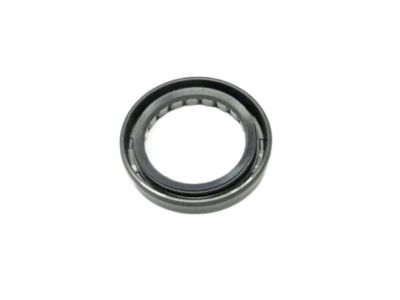
2004 Nissan Xterra Front Cover Seal
Part Number: 13510-0Z400$12.84 MSRP: $17.70You Save: $4.86 (28%)Product Specifications- Other Name: Seal-Oil, Crankshaft Front
- Manufacturer Note: NDK
- Position: Front
- Lookup Code: 13042
- Item Weight: 0.20 Pounds
- Item Dimensions: 3.4 x 3.3 x 1.0 inches
- Condition: New
- Fitment Type: Direct Replacement
- SKU: 13510-0Z400
- Warranty: This genuine part is guaranteed by Nissan's factory warranty.
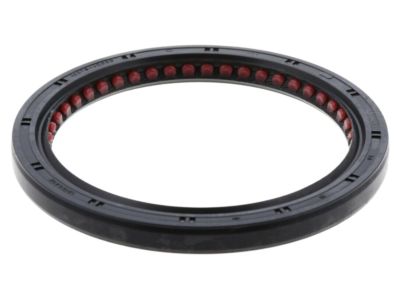
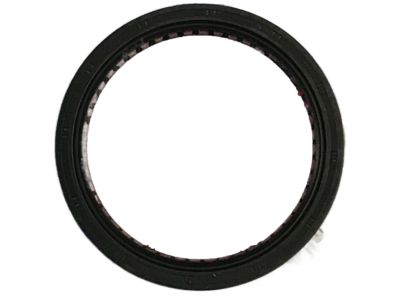
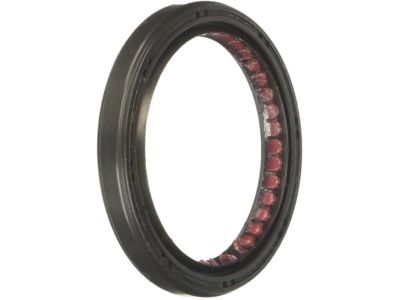
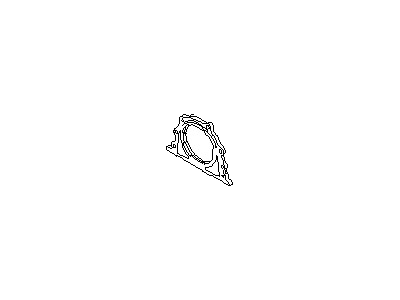
2004 Nissan Xterra Rear Main Seal
Part Number: 12279-4Z001$37.40 MSRP: $54.17You Save: $16.77 (31%)Ships in 1-2 Business DaysProduct Specifications- Other Name: Seal-Oil, Crankshaft Rear; Rear Main Seal, Seal
- Position: Rear
- Replaces: 12279-4Z000
- Lookup Code: 12279
- Item Weight: 0.20 Pounds
- Item Dimensions: 4.3 x 4.2 x 0.4 inches
- Condition: New
- Fitment Type: Direct Replacement
- SKU: 12279-4Z001
- Warranty: This genuine part is guaranteed by Nissan's factory warranty.
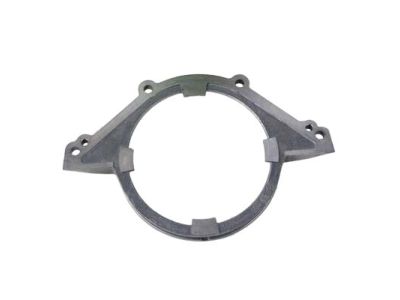
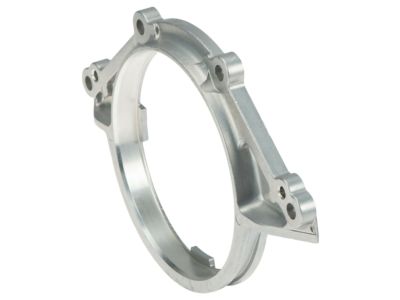
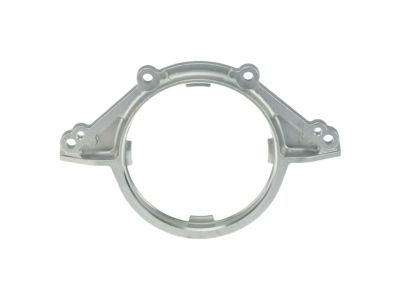
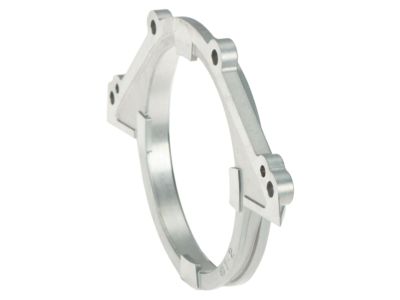
2004 Nissan Xterra Rear Main Seal
Part Number: 12297-F6500$47.97 MSRP: $66.13You Save: $18.16 (28%)Ships in 1-2 Business DaysProduct Specifications- Other Name: Retainer - Oil Seal, Rear; Rear Main Seal, Rear Main Seal Retainer
- Replaces: 12297-V5000, 12296-V5000
- Lookup Code: 12296
- Item Weight: 0.50 Pounds
- Item Dimensions: 1.3 x 5.7 x 7.8 inches
- Condition: New
- Fitment Type: Direct Replacement
- SKU: 12297-F6500
- Warranty: This genuine part is guaranteed by Nissan's factory warranty.
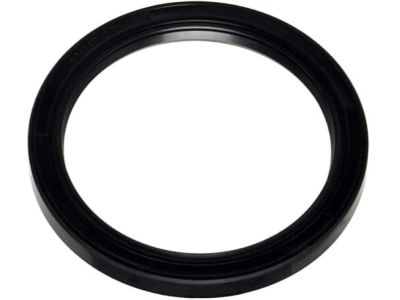
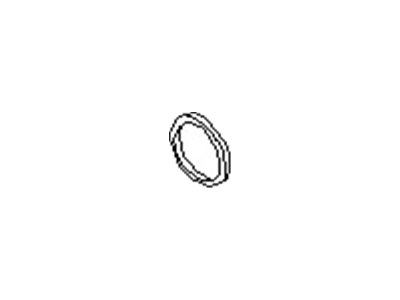
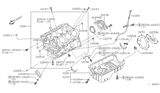
2004 Nissan Xterra Oil Crankshaft Rear Seal
Part Number: 12279-2B501$33.86 MSRP: $49.03You Save: $15.17 (31%)Product Specifications- Other Name: Seal - Oil, Crankshaft Rear; Rear Main Seal
- Replaced by: 12279-2B500
- Lookup Code: 12279
- Item Weight: 0.50 Pounds
- Item Dimensions: 4.2 x 4.2 x 0.5 inches
- Condition: New
- Fitment Type: Direct Replacement
- SKU: 12279-2B501
- Warranty: This genuine part is guaranteed by Nissan's factory warranty.
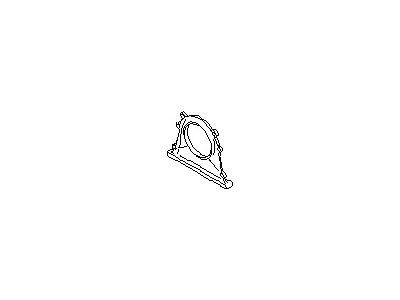
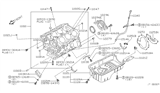 Product Specifications
- Other Name: Retainer - Oil Seal, Rear
- Position: Rear
- Replaced by: 12297-86G00
- Lookup Code: 12296
- Item Weight: 0.90 Pounds
- Item Dimensions: 7.2 x 6.8 x 1.1 inches
- Condition: New
- Fitment Type: Direct Replacement
- SKU: 12297-F4000
- Warranty: This genuine part is guaranteed by Nissan's factory warranty.
2004 Nissan Xterra Crankshaft Seal
Committed to delivering top-notch quality at affordable prices, our website is your go-to source for OEM 2004 Nissan Xterra Crankshaft Seal worldwide. Each of our genuine 2004 Nissan Xterra Crankshaft Seal come with a manufacturer's warranty, so rest assured, quality and cost are covered. With us, you're making a smart choice that stands the test of time.
2004 Nissan Xterra Crankshaft Seal Parts Questions & Experts Answers
- Q:How to properly replace front crankshaft seal without causing damage to the crankshaft on 3.3L V6 2004 Nissan Xterra?Posted by Riis F.A:Remove the crankshaft pulley, timing belt covers and timing belt. Carefully remove the crankshaft sprocket with a prybar or two screwdrivers, being very careful not to damage the oil pump body. If the sprocket cannot be pried off, drill and tap two holes into the face of the sprocket and use a bolt-type puller to pull it off the crankshaft. Do not reuse a drilled sprocket - replace it. Remove the inner timing belt guide, noting the side facing out (mark it if necessary). Carefully pry the oil seal out with a screwdriver. If the crankshaft is nicked or otherwise damaged, the new seal will leak! Don't scratch or nick the crankshaft in the process! Before installation, apply a thin coat of multi-purpose grease to the inside of the seal. Fabricate a seal installation tool with a short length of pipe of equal or slightly smaller outside diameter than the seal itself. File the end of the pipe that will bear down on the seal until it's free of sharp edges. You'll also need a long bolt of the same thread pitch as the crankshaft pulley bolt and a large washer, slightly larger in diameter than the pipe, on which the bolt head can seat. Install the oil seal by pressing it into position with the seal installation tool. When the seal is bottomed in the housing, don't turn the bolt any more or you'll damage the seal. Install the inner timing belt guide onto the nose of the crankshaft. Make sure the Woodruff key is in place in the crankshaft. Apply a thin coat of assembly lube to the inside of the timing belt sprocket and slide it onto the crankshaft. Installation of the remaining components is the reverse of removal.Answered by Nissan Parts Specialist Randy / Jan 25, 2026
Related 2004 Nissan Xterra Parts
 2004 Nissan Xterra Camshaft Position Sensor
 2004 Nissan Xterra Coolant Temperature Sensor
 2004 Nissan Xterra Camshaft Seal
 2004 Nissan Xterra Crankshaft
 2004 Nissan Xterra Alternator Bracket
 2004 Nissan Xterra Belt Tensioner Bolt