×
- Hello
- Login or Register
- Quick Links
- Live Chat
- Track Order
- Parts Availability
- RMA
- Help Center
- Contact Us
- Shop for
- Nissan Parts
- Nissan Accessories

My Garage
My Account
Cart
Genuine 2012 Nissan Altima Axle Shaft
Car Axle Shaft- Select Vehicle by Model
- Select Vehicle by VIN
Select Vehicle by Model
orMake
Model
Year
Select Vehicle by VIN
For the most accurate results, select vehicle by your VIN (Vehicle Identification Number).
10 Axle Shafts found
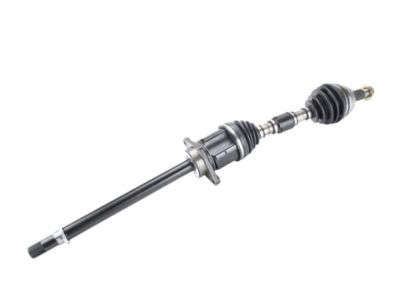
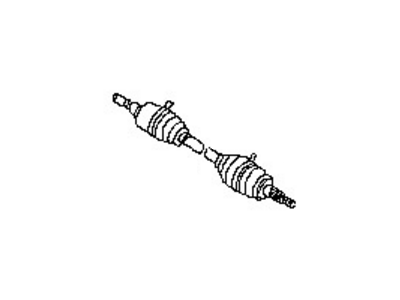
2012 Nissan Altima Axle Assembly
Part Number: 39100-JA11F$476.05 MSRP: $726.57You Save: $250.52 (35%)Ships in 1-3 Business DaysProduct Specifications- Other Name: Shaft Assembly - Front Drive, Passenger Side; Axle Assembly
- Position: Passenger Side
- Replaces: 39100-JA11A
- Lookup Code: 39100M
- Item Weight: 31.80 Pounds
- Item Dimensions: 43.9 x 6.8 x 6.4 inches
- Condition: New
- Fitment Type: Direct Replacement
- SKU: 39100-JA11F
- Warranty: This genuine part is guaranteed by Nissan's factory warranty.
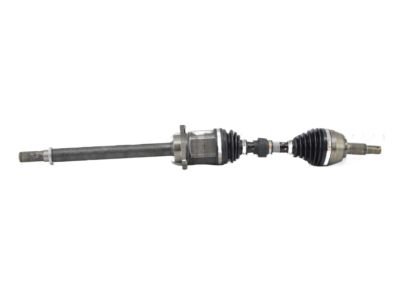
2012 Nissan Altima Axle Assembly
Part Number: 39101-JA11F$473.04 MSRP: $721.98You Save: $248.94 (35%)Ships in 1-3 Business DaysProduct Specifications- Other Name: Shaft Assembly - Front Drive, Driver Side; Axle Assembly
- Position: Driver Side
- Replaces: 39101-JA11A
- Lookup Code: 39101
- Item Weight: 31.80 Pounds
- Item Dimensions: 45.2 x 6.8 x 6.2 inches
- Condition: New
- Fitment Type: Direct Replacement
- SKU: 39101-JA11F
- Warranty: This genuine part is guaranteed by Nissan's factory warranty.
2012 Nissan Altima Front Drive Passenger Side Shaft Assembly
Part Number: 39100-JA13A$560.54 MSRP: $772.08You Save: $211.54 (28%)Ships in 1-2 Business DaysProduct Specifications- Other Name: Shaft Assembly - Front Drive, Passenger Side. This item is non-returnable.
- Position: Passenger Side
- Lookup Code: 39100M
- Item Weight: 31.40 Pounds
- Item Dimensions: 42.6 x 6.3 x 5.3 inches
- Condition: New
- Fitment Type: Direct Replacement
- SKU: 39100-JA13A
- Warranty: This genuine part is guaranteed by Nissan's factory warranty.
2012 Nissan Altima Shaft Front Drive
Part Number: 39101-JA13A$630.88 MSRP: $868.98You Save: $238.10 (28%)Ships in 1-2 Business DaysProduct Specifications- Other Name: Shaft Assembly - Front Drive, Driver Side. This item is non-returnable.
- Position: Driver side
- Lookup Code: 39101
- Item Weight: 21.30 Pounds
- Item Dimensions: 29.1 x 6.4 x 5.5 inches
- Condition: New
- Fitment Type: Direct Replacement
- SKU: 39101-JA13A
- Warranty: This genuine part is guaranteed by Nissan's factory warranty.
2012 Nissan Altima Front Drive Shaft Assembly Left Hand
Part Number: 39101-JA000$475.30 MSRP: $671.33You Save: $196.03 (30%)Product Specifications- Other Name: Shaft Assy-Front Drive,LH
- Position: Driver side
- Replaced by: 39101-JA00A
- Lookup Code: 39101
- Item Weight: 18.10 Pounds
- Item Dimensions: 27.8 x 7.7 x 7.1 inches
- Condition: New
- Fitment Type: Direct Replacement
- SKU: 39101-JA000
- Warranty: This genuine part is guaranteed by Nissan's factory warranty.
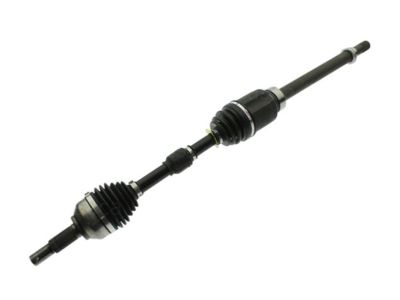 Product Specifications
- Other Name: Shaft Assy-Front Drive,RH; Axle Assembly
- Position: Passenger Side
- Replaces: 39100-JA01A
- Lookup Code: 39100M
- Item Weight: 23.90 Pounds
- Item Dimensions: 42.3 x 6.9 x 6.4 inches
- Condition: New
- Fitment Type: Direct Replacement
- SKU: 39100-JA010
- Warranty: This genuine part is guaranteed by Nissan's factory warranty.
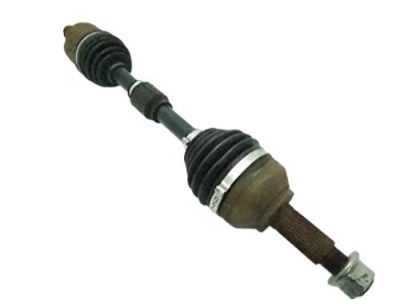
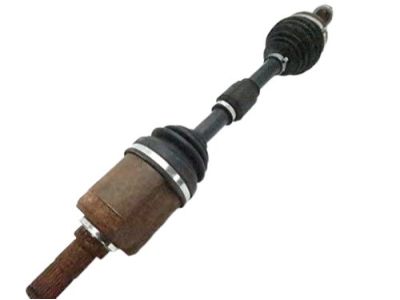
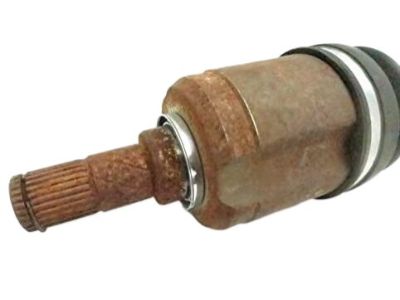
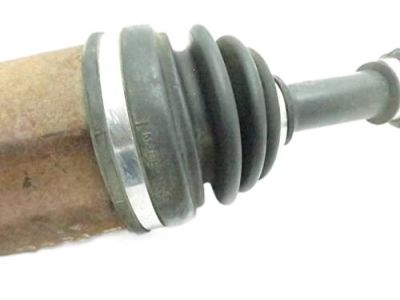 Product Specifications
- Other Name: Shaft Assy-Front Drive,LH; Axle Assembly
- Position: Driver Side
- Replaces: 39101-JA01A
- Lookup Code: 39101
- Item Weight: 18.50 Pounds
- Item Dimensions: 28.6 x 8.2 x 7.2 inches
- Condition: New
- Fitment Type: Direct Replacement
- SKU: 39101-JA010
- Warranty: This genuine part is guaranteed by Nissan's factory warranty.
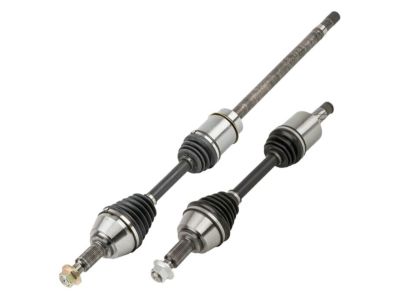
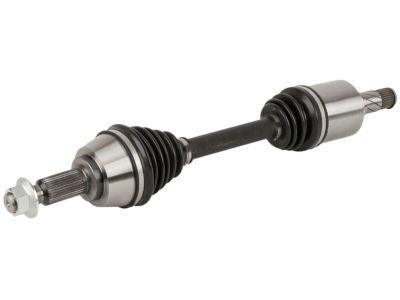
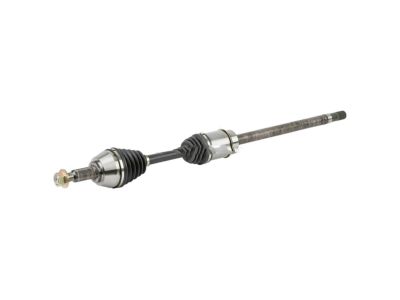 Product Specifications
- Other Name: Shaft Assy-Front Drive,LH; Axle Assembly
- Position: Driver Side
- Replaces: 39101-JA100
- Lookup Code: 39101
- Item Weight: 30.30 Pounds
- Item Dimensions: 44.7 x 6.6 x 6.4 inches
- Condition: New
- Fitment Type: Direct Replacement
- SKU: 39101-JA10F
- Warranty: This genuine part is guaranteed by Nissan's factory warranty.
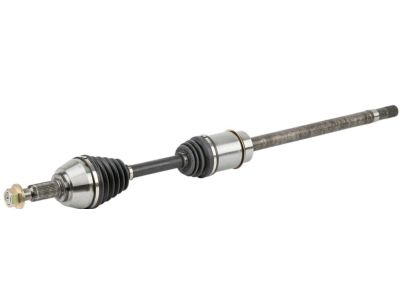
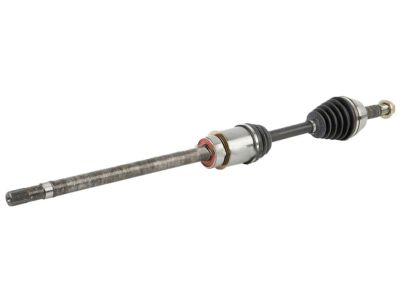
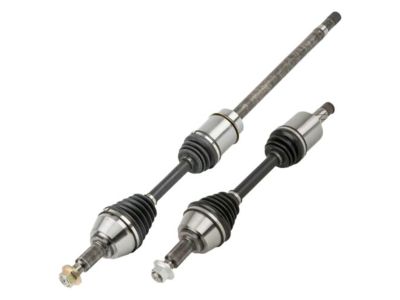
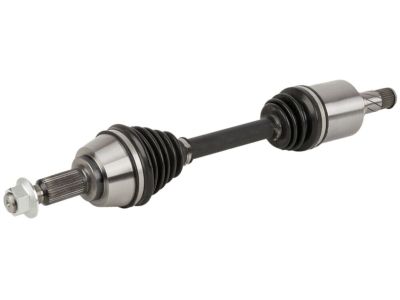 Product Specifications
- Other Name: Shaft Assy-Front Drive,RH; Axle Assembly
- Position: Passenger Side
- Replaces: 39100-JA100
- Lookup Code: 39100M
- Item Weight: 33.00 Pounds
- Item Dimensions: 43.4 x 6.8 x 6.2 inches
- Condition: New
- Fitment Type: Direct Replacement
- SKU: 39100-JA10F
- Warranty: This genuine part is guaranteed by Nissan's factory warranty.
- Product Specifications
- Other Name: Shaft Assy-Front Drive,RH; Axle Assembly
- Position: Passenger Side
- Replaces: 39100-JA00A
- Lookup Code: 39100M
- Item Weight: 23.10 Pounds
- Item Dimensions: 42.0 x 7.4 x 6.1 inches
- Condition: New
- Fitment Type: Direct Replacement
- SKU: 39100-JA000
- Warranty: This genuine part is guaranteed by Nissan's factory warranty.
2012 Nissan Altima Axle Shaft
Committed to delivering top-notch quality at affordable prices, our website is your go-to source for OEM 2012 Nissan Altima Axle Shaft worldwide. Each of our genuine 2012 Nissan Altima Axle Shaft come with a manufacturer's warranty, so rest assured, quality and cost are covered. With us, you're making a smart choice that stands the test of time.
2012 Nissan Altima Axle Shaft Parts Questions & Experts Answers
- Q:What are the key components and maintenance considerations for the Axle Shaft on the 2012 Nissan Altima, and how is power transmitted from the transaxle to the wheels?Posted by Gavin B.A:Power is transmitted from the transaxle to the wheels through a pair of axle shafts, with the inner ends splined into the differential side gears and the outer ends splined to the axle hubs, secured by a large nut. The inner ends feature tripod-type constant velocity joints that allow for both angular and axial motion, while the outer joints are of the ball and cage type. Periodic inspection of the boots for damage and leaking lubricant is essential, as torn CV joint boots must be replaced promptly to prevent damage to the joints. Common symptoms of worn or damaged CV joints include lubricant leaks, a clicking noise during turns, a clunk when accelerating after coasting, and vibration at highway speeds. To check for wear in the CV joints and axle shafts, grasp each axle individually and rotate it in both directions while holding the CV joint housings, feeling for play that indicates worn splines or loose CV joints.Answered by Nissan Parts Specialist Eliot / Feb 01, 2024
Related 2012 Nissan Altima Parts
 2012 Nissan Altima Wheel Bearing
 2012 Nissan Altima Torque Converter
 2012 Nissan Altima Transmission Assembly
 2012 Nissan Altima Transmission Pan
 2012 Nissan Altima Needle Bearing
 2012 Nissan Altima Output Shaft Bearing
 2012 Nissan Altima Pinion Washer
 2012 Nissan Altima Transmission Oil Cooler