×
- Hello
- Login or Register
- Quick Links
- Live Chat
- Track Order
- Parts Availability
- RMA
- Help Center
- Contact Us
- Shop for
- Nissan Parts
- Nissan Accessories

My Garage
My Account
Cart
Genuine 2012 Nissan Sentra Car Batteries
Auto Battery- Select Vehicle by Model
- Select Vehicle by VIN
Select Vehicle by Model
orMake
Model
Year
Select Vehicle by VIN
For the most accurate results, select vehicle by your VIN (Vehicle Identification Number).
1 Car Batteries found
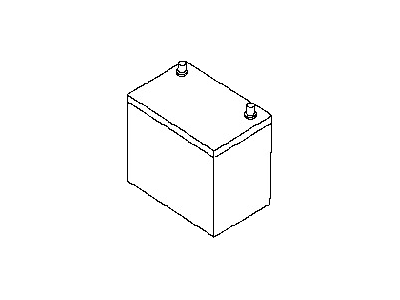
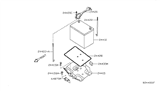 Product Specifications
- Lookup Code: 24410
- Condition: New
- Fitment Type: Direct Replacement
- SKU: 24410-ET00B
- Warranty: This genuine part is guaranteed by Nissan's factory warranty.
2012 Nissan Sentra Car Batteries
Committed to delivering top-notch quality at affordable prices, our website is your go-to source for OEM 2012 Nissan Sentra Car Batteries worldwide. Each of our genuine 2012 Nissan Sentra Car Batteries come with a manufacturer's warranty, so rest assured, quality and cost are covered. With us, you're making a smart choice that stands the test of time.
2012 Nissan Sentra Car Batteries Parts Questions & Experts Answers
- Q:How to perform routine preventive maintenance program for your 2012 Nissan Sentra's car batteries?Posted by Tami V.A:It is quite important to maintain the battery in the car through a standard preventive measure that guarantees quick and efficient starting of the car; safety equipment should also be used. Precautions call for stopping the engine and the accessories should be switched off, and, the negative terminal must be disconnected before repair work is undertaken. The battery generates flammable hydrogen and combining it with oxygen, thus, do not bring sparks, cigarettes or matches closer, and charge the battery in the presence of fresh air. Electrolyte consists of corrosive sulfuric acid and therefore safety glasses have to be used and it is prohibited to touch them with hands or have them on eyes or taste them. Visually review the battery covering and focus on the condition of the positive terminal and the cable clamp; look for signs of corrosion, loose connections, or cracks. In case of corrosion; it is advisable to remove the battery clean it, starting with the ground cable and clean the cable clamps using warm water mixed with baking soda avoiding any of the solution to get into the battery. The battery tray should not show signs of rust or wear and over tightening the hold-down clamp should be avoided on reassemble. The rust can be washed with water and baking soda then any metal component that has rusting should be brought through a zinc formula and then it should be painted. Concerning charging, slow rate charging is recommended for discharged batteries particularly when it is too cold to the extent of winter, using one or two-amp charger will suffice. A higher amperage charger can be used but it should not exceed 1/10 battery AH, and rapid boost charges should only be used in cases of an emergency. There is normally a standby or trickle charger that takes 12 to 16 hours to charge the batteries.Answered by Nissan Parts Specialist Glenn / Sep 20, 2024
