×
- Hello
- Login or Register
- Quick Links
- Live Chat
- Track Order
- Parts Availability
- RMA
- Help Center
- Contact Us
- Shop for
- Nissan Parts
- Nissan Accessories

My Garage
My Account
Cart
Genuine 2015 Nissan Juke Shock Absorber
Suspension Shock Absorber- Select Vehicle by Model
- Select Vehicle by VIN
Select Vehicle by Model
orMake
Model
Year
Select Vehicle by VIN
For the most accurate results, select vehicle by your VIN (Vehicle Identification Number).
19 Shock Absorbers found
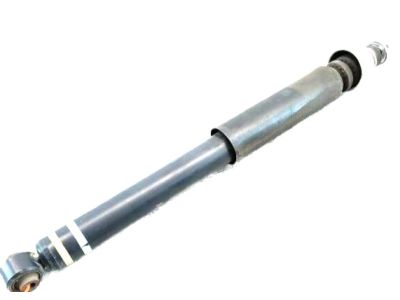
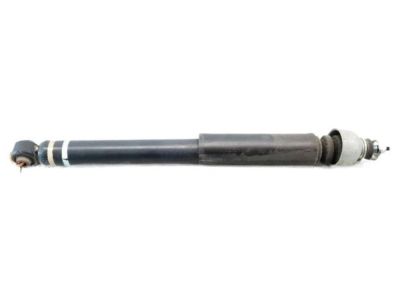
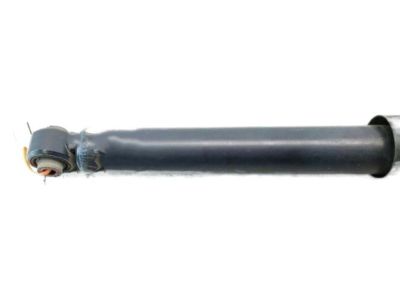
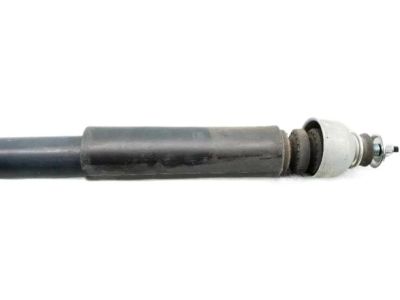
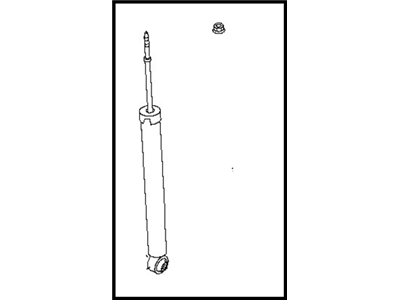
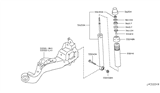
2015 Nissan Juke Shock Absorber
Part Number: E6210-1KD3A$136.73 MSRP: $202.45You Save: $65.72 (33%)Ships in 1-3 Business DaysProduct Specifications- Other Name: Shock Absorber Kit - Rear; Shock, Shock Absorber
- Position: Rear
- Replaces: E6210-1KD1A, E6210-1KD2A
- Lookup Code: 56210K
- Item Weight: 5.70 Pounds
- Item Dimensions: 29.4 x 2.9 x 2.9 inches
- Condition: New
- Fitment Type: Direct Replacement
- Require Quantity: 2
- SKU: E6210-1KD3A
- Warranty: This genuine part is guaranteed by Nissan's factory warranty.
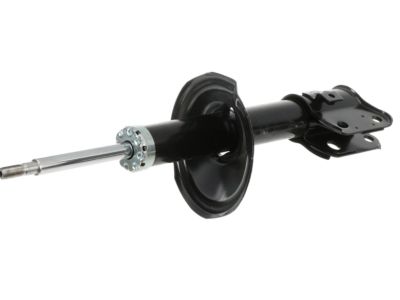
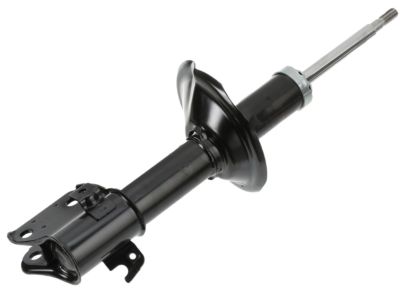
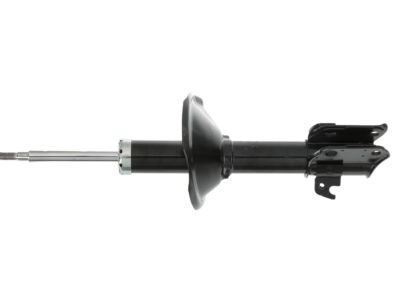
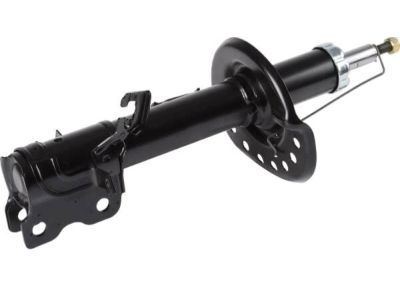
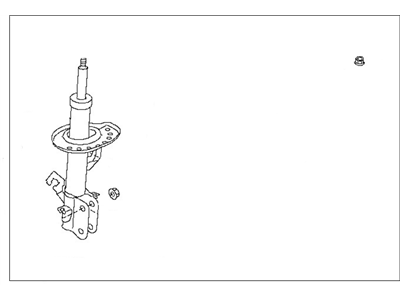
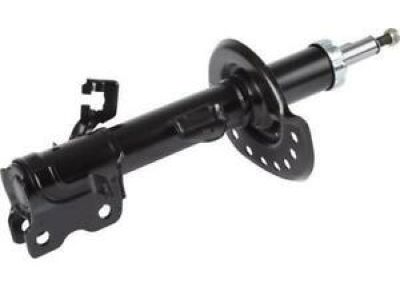
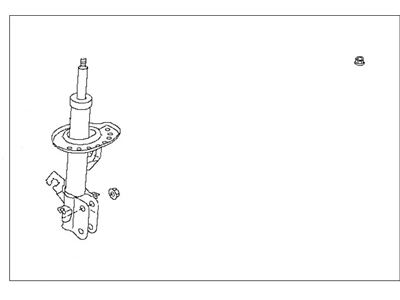
2015 Nissan Juke Strut
Part Number: E4303-1KC2B$97.12 MSRP: $140.65You Save: $43.53 (31%)Ships in 1-3 Business DaysProduct Specifications- Other Name: Strut Kit - Front Suspension, Driver Side; Strut
- Position: Driver Side
- Lookup Code: 54303K
- Item Weight: 15.60 Pounds
- Item Dimensions: 26.0 x 10.6 x 9.1 inches
- Condition: New
- Fitment Type: Direct Replacement
- SKU: E4303-1KC2B
- Warranty: This genuine part is guaranteed by Nissan's factory warranty.
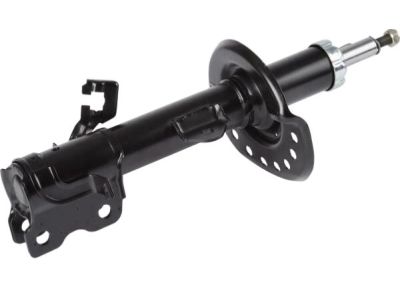
2015 Nissan Juke Strut
Part Number: E4302-1KC2B$97.12 MSRP: $140.65You Save: $43.53 (31%)Ships in 1-3 Business DaysProduct Specifications- Other Name: Strut Kit - Front Suspension, Passenger Side; Strut
- Position: Passenger Side
- Lookup Code: 54302K
- Item Weight: 15.80 Pounds
- Item Dimensions: 26.3 x 10.4 x 9.5 inches
- Condition: New
- Fitment Type: Direct Replacement
- SKU: E4302-1KC2B
- Warranty: This genuine part is guaranteed by Nissan's factory warranty.
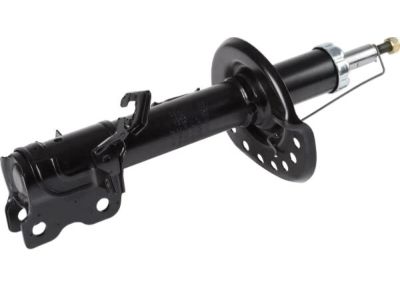
2015 Nissan Juke Strut
Part Number: E4302-1KC2A$125.52 MSRP: $181.78You Save: $56.26 (31%)Ships in 1-3 Business DaysProduct Specifications- Other Name: Strut Kit - Front Suspension, Passenger Side; Strut
- Position: Passenger Side
- Lookup Code: 54302K
- Item Weight: 15.70 Pounds
- Item Dimensions: 27.3 x 10.2 x 10.0 inches
- Condition: New
- Fitment Type: Direct Replacement
- SKU: E4302-1KC2A
- Warranty: This genuine part is guaranteed by Nissan's factory warranty.
2015 Nissan Juke Strut
Part Number: E4303-1KC2A$125.52 MSRP: $181.78You Save: $56.26 (31%)Ships in 1-3 Business DaysProduct Specifications- Other Name: Strut Kit - Front Suspension, Driver Side; Strut
- Position: Driver Side
- Lookup Code: 54303K
- Item Weight: 15.60 Pounds
- Item Dimensions: 26.8 x 10.5 x 9.2 inches
- Condition: New
- Fitment Type: Direct Replacement
- SKU: E4303-1KC2A
- Warranty: This genuine part is guaranteed by Nissan's factory warranty.
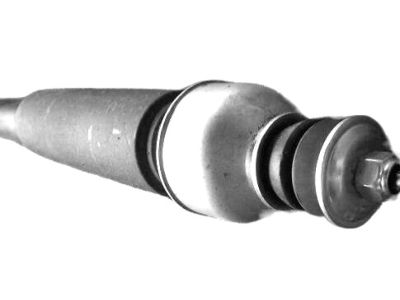
2015 Nissan Juke Shock Absorber
Part Number: E6210-3YV2C$149.67 MSRP: $221.62You Save: $71.95 (33%)Ships in 1-3 Business DaysProduct Specifications- Other Name: Shock Absorber Kit - Rear; Shock, Shock Absorber
- Position: Rear
- Replaces: E6210-3YV1B
- Lookup Code: 56210K
- Item Weight: 5.20 Pounds
- Item Dimensions: 32.3 x 3.4 x 3.4 inches
- Condition: New
- Fitment Type: Direct Replacement
- Require Quantity: 2
- SKU: E6210-3YV2C
- Warranty: This genuine part is guaranteed by Nissan's factory warranty.
2015 Nissan Juke Rear Shock Absorber Kit
Part Number: E6210-1KC3A$146.67 MSRP: $217.17You Save: $70.50 (33%)Ships in 1-3 Business DaysProduct Specifications- Other Name: Shock Absorber Kit - Rear
- Position: Rear
- Replaced by: E6210-1KC3B
- Lookup Code: 56210K
- Item Weight: 5.60 Pounds
- Item Dimensions: 31.5 x 2.6 x 2.6 inches
- Condition: New
- Fitment Type: Direct Replacement
- Require Quantity: 2
- SKU: E6210-1KC3A
- Warranty: This genuine part is guaranteed by Nissan's factory warranty.
2015 Nissan Juke Rear Shock Absorber Kit
Part Number: E6210-3YV1B$149.67 MSRP: $221.62You Save: $71.95 (33%)Ships in 1-3 Business DaysProduct Specifications- Other Name: Shock Absorber Kit - Rear
- Position: Rear
- Replaced by: E6210-3YV2C
- Lookup Code: 56210K
- Item Weight: 5.60 Pounds
- Item Dimensions: 32.3 x 3.3 x 3.4 inches
- Condition: New
- Fitment Type: Direct Replacement
- Require Quantity: 2
- SKU: E6210-3YV1B
- Warranty: This genuine part is guaranteed by Nissan's factory warranty.
- Product Specifications
- Other Name: Strut Kit-Front Suspension,LH; Strut
- Manufacturer Note: COINED.54303-3YV1A
- Position: Driver Side
- Lookup Code: 54303K
- Item Weight: 13.00 Pounds
- Item Dimensions: 26.5 x 10.5 x 9.4 inches
- Condition: New
- Fitment Type: Direct Replacement
- SKU: E4303-3YV1A
- Warranty: This genuine part is guaranteed by Nissan's factory warranty.
- Product Specifications
- Other Name: Strut Kit-Front Suspension,RH; Strut
- Position: Passenger Side
- Lookup Code: 54302K
- Item Weight: 12.60 Pounds
- Item Dimensions: 19.9 x 8.9 x 8.2 inches
- Condition: New
- Fitment Type: Direct Replacement
- SKU: E4302-3YV0A
- Warranty: This genuine part is guaranteed by Nissan's factory warranty.
- Product Specifications
- Other Name: Shock Absorber Kit-Rear; Shock, Shock Absorber
- Position: Rear
- Lookup Code: 56210K
- Item Weight: 5.50 Pounds
- Item Dimensions: 31.4 x 3.3 x 3.4 inches
- Condition: New
- Fitment Type: Direct Replacement
- Require Quantity: 2
- SKU: E6210-3YW0A
- Warranty: This genuine part is guaranteed by Nissan's factory warranty.
- Product Specifications
- Other Name: Shock Absorber Kit-Rear; Shock, Shock Absorber
- Position: Rear
- Lookup Code: 56210K
- Item Weight: 5.50 Pounds
- Item Dimensions: 31.7 x 3.4 x 3.3 inches
- Condition: New
- Fitment Type: Direct Replacement
- Require Quantity: 2
- SKU: E6210-3YW1A
- Warranty: This genuine part is guaranteed by Nissan's factory warranty.
- Product Specifications
- Other Name: Strut Kit-Front Suspension,LH; Strut
- Position: Driver Side
- Lookup Code: 54303K
- Item Weight: 14.60 Pounds
- Item Dimensions: 27.6 x 10.3 x 10.2 inches
- Condition: New
- Fitment Type: Direct Replacement
- SKU: E4303-3YW0A
- Warranty: This genuine part is guaranteed by Nissan's factory warranty.
- Product Specifications
- Other Name: Strut Kit-Front Suspension,RH; Strut
- Position: Passenger Side
- Lookup Code: 54302K
- Item Weight: 15.00 Pounds
- Item Dimensions: 26.5 x 9.9 x 10.1 inches
- Condition: New
- Fitment Type: Direct Replacement
- SKU: E4302-3YW0A
- Warranty: This genuine part is guaranteed by Nissan's factory warranty.
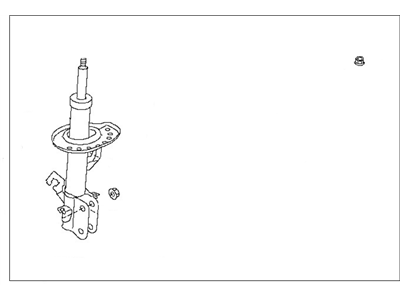 Product Specifications
- Other Name: Strut Kit-Front Suspension,RH; Strut
- Position: Passenger Side
- Lookup Code: 54302K
- Item Weight: 15.10 Pounds
- Item Dimensions: 26.0 x 10.5 x 9.7 inches
- Condition: New
- Fitment Type: Direct Replacement
- SKU: E4302-3YW1A
- Warranty: This genuine part is guaranteed by Nissan's factory warranty.
- Product Specifications
- Other Name: Strut Kit-Front Suspension,RH; Strut
- Manufacturer Note: COINED.54302-3YV1A
- Position: Passenger Side
- Lookup Code: 54302K
- Item Weight: 13.70 Pounds
- Item Dimensions: 26.0 x 10.5 x 9.6 inches
- Condition: New
- Fitment Type: Direct Replacement
- SKU: E4302-3YV1A
- Warranty: This genuine part is guaranteed by Nissan's factory warranty.
- Product Specifications
- Other Name: Strut Kit-Front Suspension,LH; Strut
- Position: Driver Side
- Lookup Code: 54303K
- Item Weight: 15.50 Pounds
- Item Dimensions: 27.0 x 10.5 x 10.5 inches
- Condition: New
- Fitment Type: Direct Replacement
- SKU: E4303-3YW1A
- Warranty: This genuine part is guaranteed by Nissan's factory warranty.
- Product Specifications
- Other Name: Shock Absorber Kit-Rear; Shock, Shock Absorber
- Position: Rear
- Lookup Code: 56210K
- Item Weight: 4.70 Pounds
- Item Dimensions: 32.9 x 2.6 x 2.3 inches
- Condition: New
- Fitment Type: Direct Replacement
- Require Quantity: 2
- SKU: E6B10-3YV0B
- Warranty: This genuine part is guaranteed by Nissan's factory warranty.
- Product Specifications
- Other Name: Strut Kit-Front Suspension,LH; Strut
- Position: Driver Side
- Lookup Code: 54303K
- Item Weight: 12.50 Pounds
- Item Dimensions: 20.1 x 8.8 x 8.1 inches
- Condition: New
- Fitment Type: Direct Replacement
- SKU: E4303-3YV0A
- Warranty: This genuine part is guaranteed by Nissan's factory warranty.
2015 Nissan Juke Shock Absorber
Committed to delivering top-notch quality at affordable prices, our website is your go-to source for OEM 2015 Nissan Juke Shock Absorber worldwide. Each of our genuine 2015 Nissan Juke Shock Absorber come with a manufacturer's warranty, so rest assured, quality and cost are covered. With us, you're making a smart choice that stands the test of time.
2015 Nissan Juke Shock Absorber Parts Questions & Experts Answers
- Q:How to inspect the Shock Absorber of a 2015 Nissan Juke?Posted by Christy P.A:Firmly apply the handbrake, then jack up the front of the vehicle and support it securely on axle stands. Visually inspect the ball joint dust covers and the steering rack and pinion gaiters for splits, chafing, or deterioration, as any wear will lead to loss of lubricant and allow dirt and water entry, resulting in rapid deterioration of the ball joints or steering gear. Grasp the roadwheel at the 12 o'clock and 6 o'clock positions and try to rock it; slight free play may be felt, but appreciable movement requires further investigation. Continue rocking the wheel while an assistant depresses the footbrake; if movement is eliminated or significantly reduced, the hub bearings may be at fault, while persistent free play indicates wear in the suspension joints or mountings. Next, grasp the wheel at the 9 o'clock and 3 o'clock positions and repeat the rocking test to check for wear in the steering rack or ball joints, noting that any movement may also indicate wear in the hub bearings. Use a large screwdriver or flat bar to check for wear in the suspension mounting bushes by levering between the relevant suspension component and its attachment point, expecting some movement but identifying excessive wear. With the car on its wheels, have an assistant turn the steering wheel back and forth slightly; there should be minimal lost movement between the steering wheel and road wheels, and if not, inspect the joints and mountings for wear, including the steering column universal joints and the rack-and-pinion steering gear. Chock the front wheels, then jack up the rear of the vehicle and support it securely on axle stands, checking the rear hub bearings, suspension bushes, and shock absorber mountings for wear. Inspect for any signs of fluid leakage around the suspension strut or shock absorber body, or from the rubber gaiter around the piston rod; any fluid indicates a defective strut or shock absorber that should be renewed, and both should always be replaced in pairs on the same axle. The efficiency of the suspension strut or shock absorber can be checked by bouncing the vehicle at each corner; if it rises and returns on a rebound, the strut or shock absorber may be suspect, so examine the upper and lower mountings for signs of wear.Answered by Nissan Parts Specialist Anildo / Feb 17, 2022
Related 2015 Nissan Juke Parts
 2015 Nissan Juke Coil Springs
 2015 Nissan Juke Steering Knuckle
 2015 Nissan Juke Tie Rod End
 2015 Nissan Juke Wheelhouse
 2015 Nissan Juke Fender