×
- Hello
- Login or Register
- Quick Links
- Live Chat
- Track Order
- Parts Availability
- RMA
- Help Center
- Contact Us
- Shop for
- Nissan Parts
- Nissan Accessories

My Garage
My Account
Cart
Genuine Nissan Pathfinder Clutch Fork
Release Fork- Select Vehicle by Model
- Select Vehicle by VIN
Select Vehicle by Model
orMake
Model
Year
Select Vehicle by VIN
For the most accurate results, select vehicle by your VIN (Vehicle Identification Number).
4 Clutch Forks found
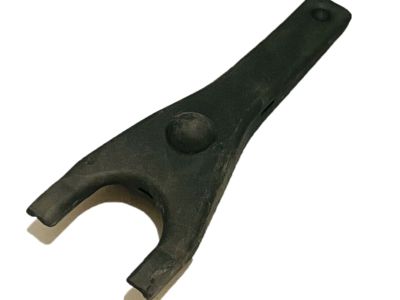
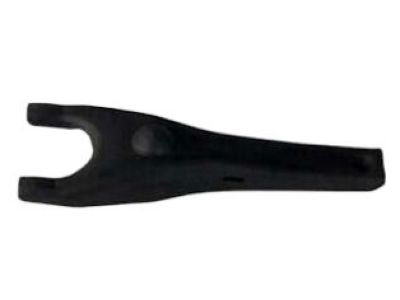
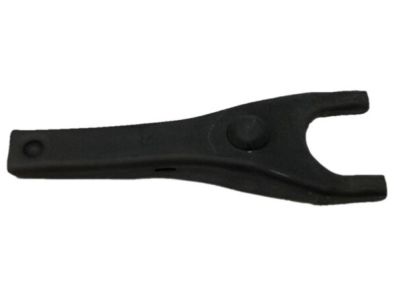
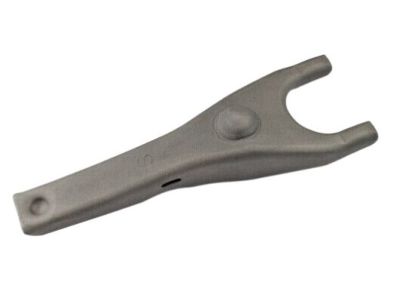
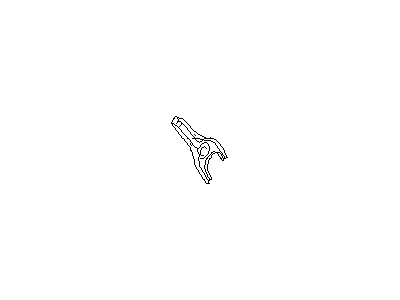
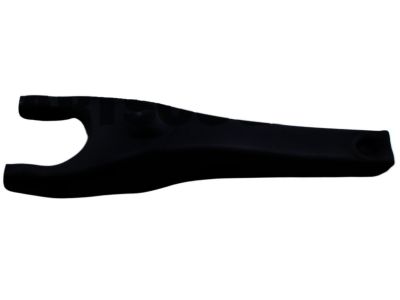
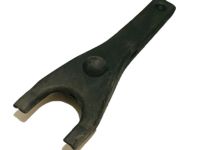
Nissan Pathfinder Clutch Fork
Part Number: 30531-01S00$66.81 MSRP: $94.37You Save: $27.56 (30%)Ships in 1-2 Business Days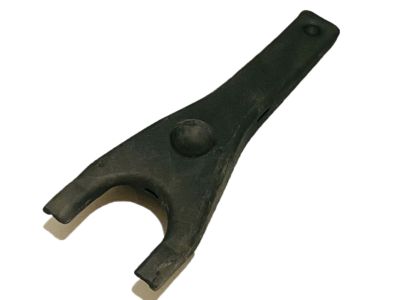
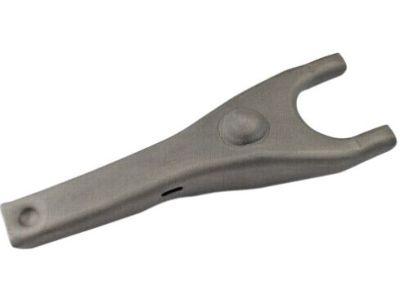
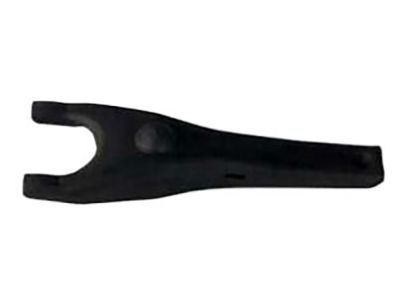
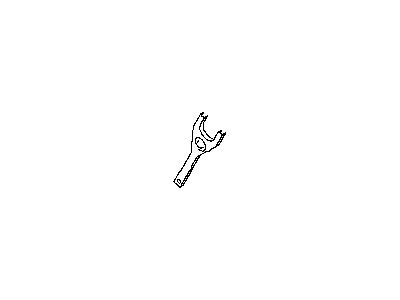
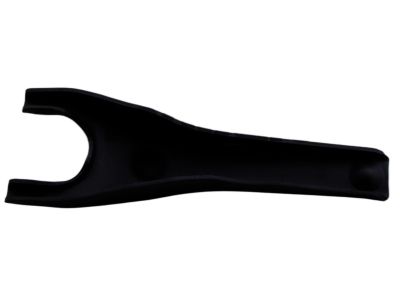
Nissan Pathfinder Withdrawal Clutch Lever
Part Number: 30531-01S60$66.81 MSRP: $94.37You Save: $27.56 (30%)Ships in 1-3 Business Days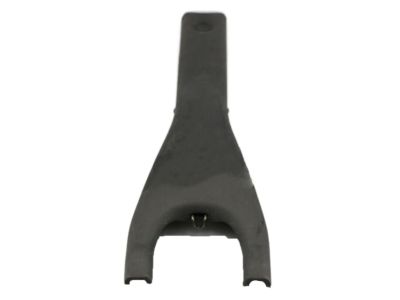
Nissan Pathfinder Withdrawal Clutch Lever
Part Number: 30531-P0100$57.22 MSRP: $78.88You Save: $21.66 (28%)Ships in 1-2 Business Days
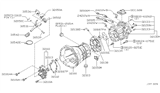
Nissan Pathfinder Clutch Fork
The Clutch Fork in a Nissan Pathfinder converts the pressure exerted on the pedal to movement of the release bearing, which separates the engine from the gearbox. This allows for smoother gear changes. Throughout the years, the Pathfinder has primarily utilized two distinct actuation systems that interact with the Clutch Fork, hydraulic linkage and cable linkage. In the familiar hydraulic layout found on these Nissan SUVs, fluid pressure is created by the master cylinder from foot effort. A slave cylinder pushes the Clutch Fork, which slides the bearing to hit the pressure plate that is self-adjusting, keeping the pedal feel consistent. Cable systems are more direct, linking the pedal to the Clutch Fork with a steel cable that can be adjusted manually at the bell housing. The rear-drive versions from earlier times sometimes connected the pedal to a bell-crank, which was connected by a pushrod to the fork, adding extra pivot points that often tend to wear out with the passage of time. A few later Pathfinder transmissions adopted concentric slave cylinders, which place the bearing on the input shaft and delete the traditional fork altogether, a part reduction that alters service procedures. The integrity of every Nissan and every Pathfinder pursuit hinges on the Clutch Fork, which must be straight. A bent or cracked Clutch Fork causes hard shifting, noise, and potential clutch failure.
If you need any OEM Nissan Pathfinder Clutch Fork, feel free to choose them out of our huge selection of genuine Nissan Pathfinder Clutch Fork. All our parts are offered at unbeatable prices and are supported by the manufacturer's warranty. In addition, we offer quick shipping to have your parts delivered to your door step in a matter of days.
Nissan Pathfinder Clutch Fork Parts Questions & Experts Answers
- Q:How to access, inspect and replace Clutch Disc,Clutch Fork,Pressure Plate and Release Bearing in a Nissan Pathfinder?Posted by Winslow G.A:To access the clutch components, the transmission must be removed and the engine supported. The release bearing must be pushed towards the engine and pried from the diaphragm spring. The flywheel and pressure plate should be inspected for indexing marks and wear. Replace the pilot bushing and release, and the lining on the clutch disc should have at least 1/32 inch of lining above the rivet heads. The machined surfaces and diaphragm spring fingers should be inspected for wear. Before installation, the flywheel and pressure plate should be cleaned and the clutch disc should be centered. The pressure plate-to-flywheel bolts should be tightened in a crisscross pattern and the release bearing should be lubricated. Finally, the transmission and components should be reinstalled and tightened to the proper torque specifications.Answered by Nissan Parts Specialist Randy / Feb 26, 2025
Related Nissan Pathfinder Parts
 Nissan Pathfinder Pilot Bearing
 Nissan Pathfinder Clutch Slave Cylinder
 Nissan Pathfinder Clutch Disc
 Nissan Pathfinder Release Bearing
 Nissan Pathfinder Clutch Master Cylinder
 Nissan Pathfinder Pressure Plate
 Nissan Pathfinder Clutch Slave Repair Kit
Browse by Year
2004 Clutch Fork 2003 Clutch Fork 2002 Clutch Fork 2001 Clutch Fork 2000 Clutch Fork 1999 Clutch Fork 1998 Clutch Fork 1997 Clutch Fork 1996 Clutch Fork 1995 Clutch Fork 1994 Clutch Fork 1993 Clutch Fork 1992 Clutch Fork 1991 Clutch Fork 1990 Clutch Fork 1989 Clutch Fork 1988 Clutch Fork 1987 Clutch Fork