×
- Hello
- Login or Register
- Quick Links
- Live Chat
- Track Order
- Parts Availability
- RMA
- Help Center
- Contact Us
- Shop for
- Nissan Parts
- Nissan Accessories

My Garage
My Account
Cart
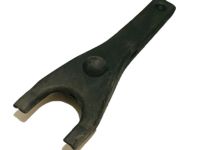
Genuine Nissan Xterra Clutch Fork
Release Fork- Select Vehicle by Model
- Select Vehicle by VIN
Select Vehicle by Model
orMake
Model
Year
Select Vehicle by VIN
For the most accurate results, select vehicle by your VIN (Vehicle Identification Number).
3 Clutch Forks found
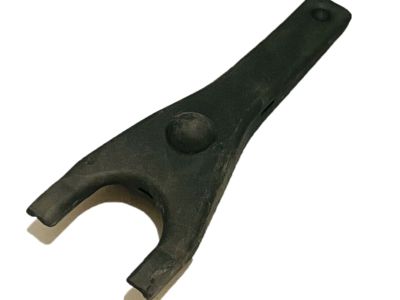
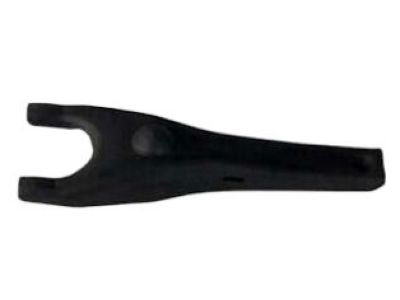
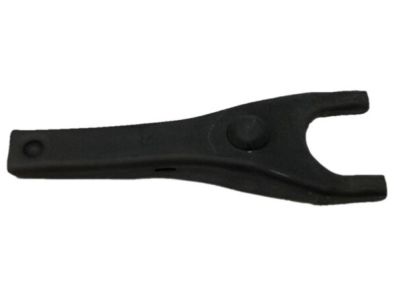
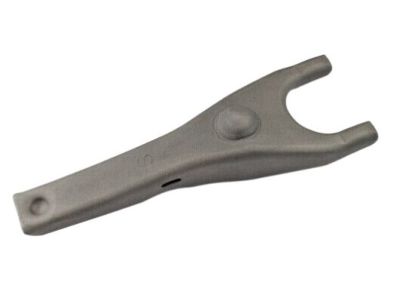
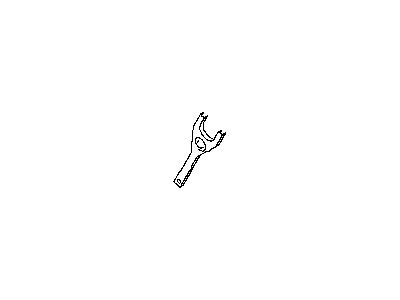
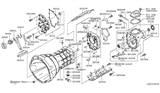
Nissan Xterra Clutch Fork
Part Number: 30531-01S00$66.81 MSRP: $94.37You Save: $27.56 (30%)Ships in 1-2 Business Days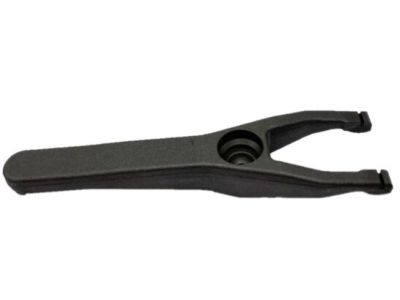
Nissan Xterra Clutch Fork
Part Number: 30531-EA200$70.45 MSRP: $99.50You Save: $29.05 (30%)Ships in 1-3 Business Days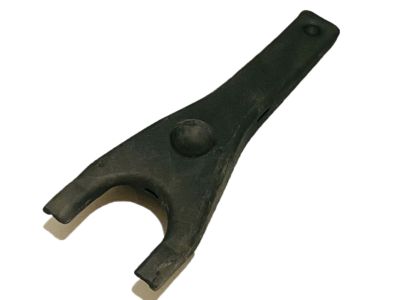
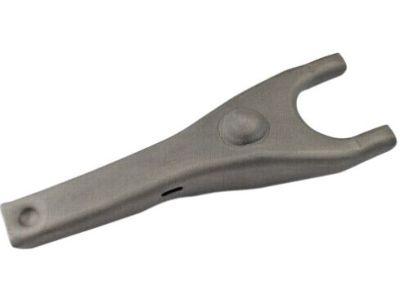
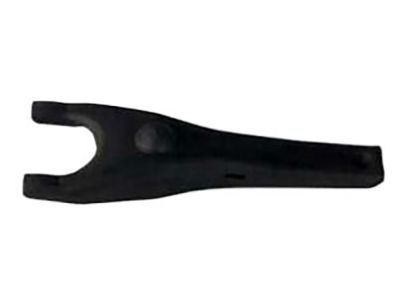
Nissan Xterra Withdrawal Clutch Lever
Part Number: 30531-01S60$66.81 MSRP: $94.37You Save: $27.56 (30%)Ships in 1-3 Business Days
Nissan Xterra Clutch Fork
The Nissan Xterra Clutch Fork has an essential job of converting the movement of the pedal into a push that separates the clutch plates with the aid of the release bearing. Many of the production run, the Xterra manuals relied on a hydraulic linkage. The master cylinder sends fluid to a slave cylinder. The slave then pushes on the Clutch Fork. The fork presses against the release bearing, and that disengages the clutch. All this is self-adjusting, and the driver may not even notice it. Earlier or economy-trimmed models utilized a cable scheme. Here, a cable stretched from the pedal to a Clutch Fork. Moreover, this cable system needed periodic adjustments when an extension or fraying started to develop. Despite the fact that both layouts utilize the same basic lever design, the hydraulic configuration incorporates fewer moving joints, shelters the pivot from wear and tear, and can even vanish completely if a concentric slave cylinder replaces the Clutch Fork. In contrast, the cable version keeps it straightforward to service but can become stiff or snap. Regardless of year, every Nissan Xterra driver will experience rough shifting, vibration at the pedal, and grinding when the Clutch Fork bends, cracks, or loses its pivot. It is time to check the linkage before complete clutch failure. Nissan quality is characterized by that dependability.
If you need any OEM Nissan Xterra Clutch Fork, feel free to choose them out of our huge selection of genuine Nissan Xterra Clutch Fork. All our parts are offered at unbeatable prices and are supported by the manufacturer's warranty. In addition, we offer quick shipping to have your parts delivered to your door step in a matter of days.
Nissan Xterra Clutch Fork Parts Questions & Experts Answers
- Q:How to access, inspect and replace Clutch Disc,Clutch Fork,Pressure Plate and Release Bearing in a Nissan Xterra?Posted by Isabelle L.A:To access the clutch components, the transmission must be removed and the engine supported. The release bearing must be pushed towards the engine and pried from the diaphragm spring. The flywheel and pressure plate should be inspected for indexing marks and wear. Replace the pilot bushing and release, and the lining on the clutch disc should have at least 1/32 inch of lining above the rivet heads. The machined surfaces and diaphragm spring fingers should be inspected for wear. Before installation, the flywheel and pressure plate should be cleaned and the clutch disc should be centered. The pressure plate-to-flywheel bolts should be tightened in a crisscross pattern and the release bearing should be lubricated. Finally, the transmission and components should be reinstalled and tightened to the proper torque specifications.Answered by Nissan Parts Specialist Brian / Aug 31, 2025