×
- Hello
- Login or Register
- Quick Links
- Live Chat
- Track Order
- Parts Availability
- RMA
- Help Center
- Contact Us
- Shop for
- Nissan Parts
- Nissan Accessories

My Garage
My Account
Cart
Genuine Nissan Xterra Spark Plug
Ignition Spark Plug- Select Vehicle by Model
- Select Vehicle by VIN
Select Vehicle by Model
orMake
Model
Year
Select Vehicle by VIN
For the most accurate results, select vehicle by your VIN (Vehicle Identification Number).
18 Spark Plugs found
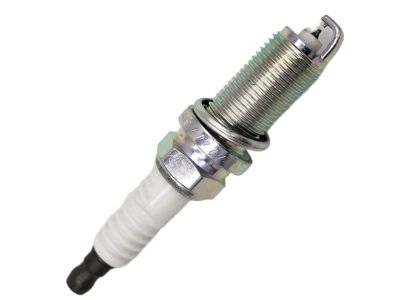
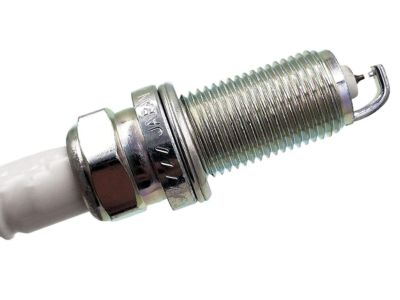
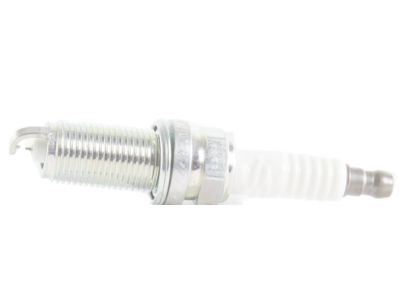
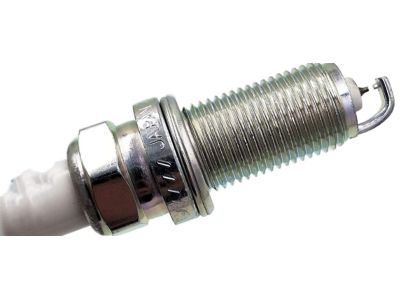
Nissan Xterra Spark Plug
Part Number: 22401-ZE01B$20.13 MSRP: $29.15You Save: $9.02 (31%)Ships in 1-3 Business Days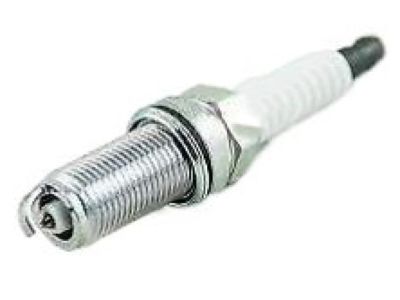
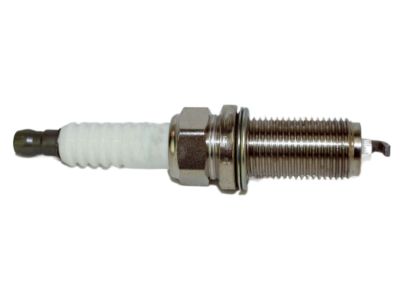
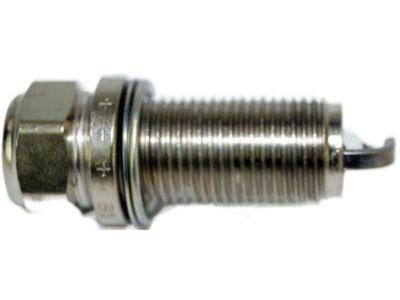
Nissan Xterra Spark Plug
Part Number: 22401-5M014$14.93 MSRP: $21.62You Save: $6.69 (31%)Ships in 1-3 Business Days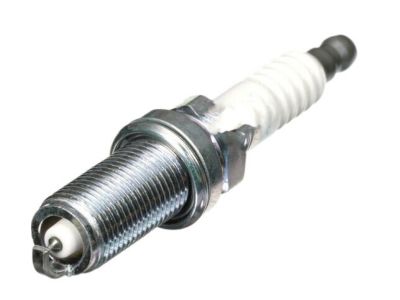
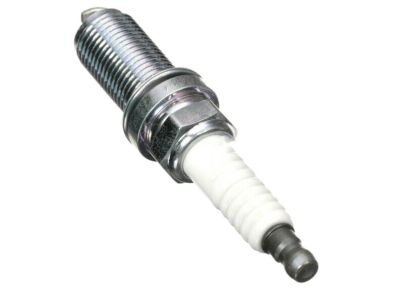
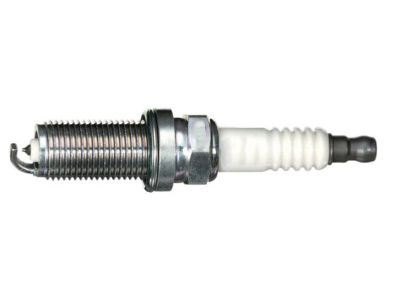
Nissan Xterra Spark Plug
Part Number: 22401-5M015$14.60 MSRP: $21.15You Save: $6.55 (31%)Ships in 1-2 Business Days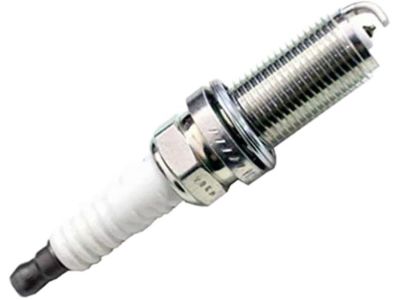
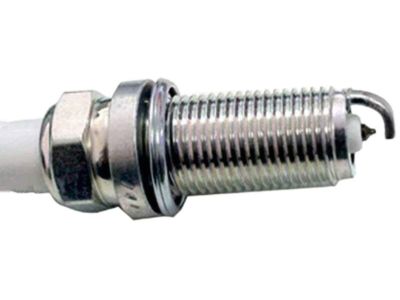
Nissan Xterra Spark Plug
Part Number: 22401-5M016$12.98 MSRP: $18.80You Save: $5.82 (31%)Ships in 1-3 Business Days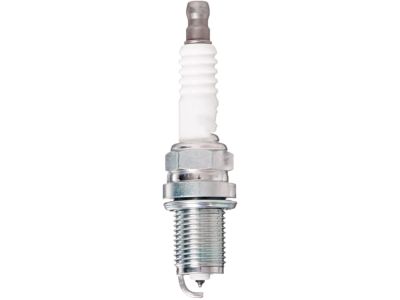
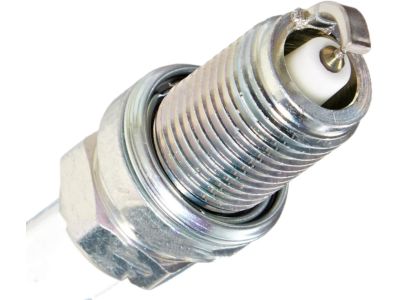
Nissan Xterra Spark Plug
Part Number: 22401-1P116$12.98 MSRP: $18.80You Save: $5.82 (31%)Ships in 1-3 Business Days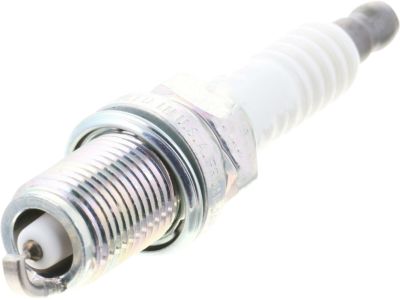
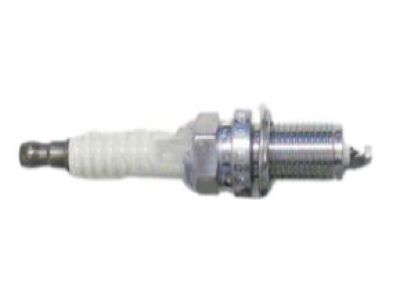
Nissan Xterra Spark Plug
Part Number: 22401-1P115$15.39 MSRP: $22.28You Save: $6.89 (31%)Ships in 1-3 Business Days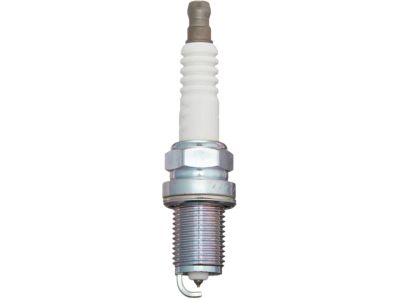
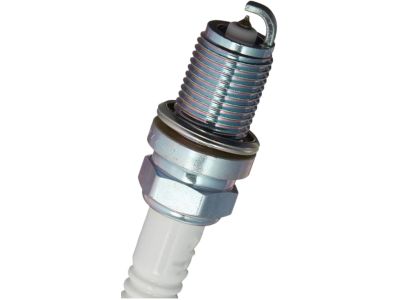
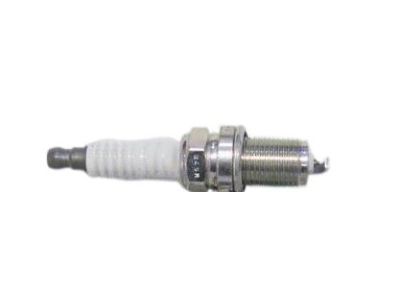
Nissan Xterra Spark Plug
Part Number: 22401-1W615$10.56 MSRP: $15.30You Save: $4.74 (31%)Ships in 1-3 Business Days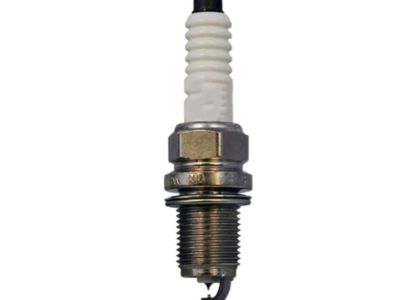
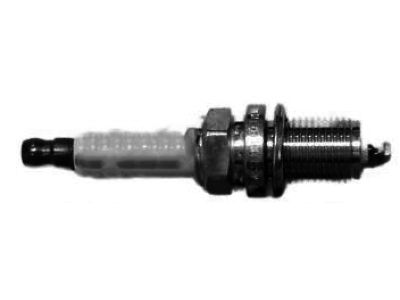
Nissan Xterra Spark Plug
Part Number: 22401-7B005$15.39 MSRP: $22.28You Save: $6.89 (31%)Ships in 1-3 Business Days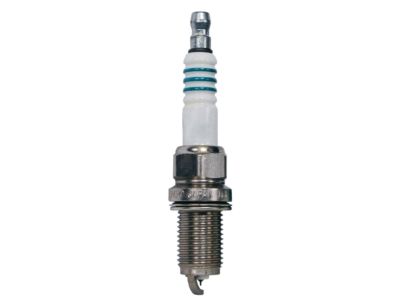
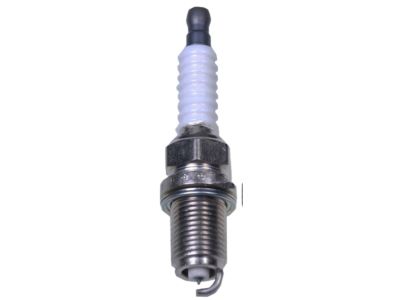
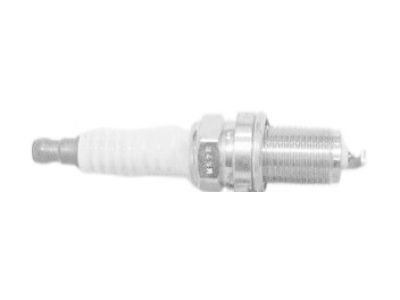
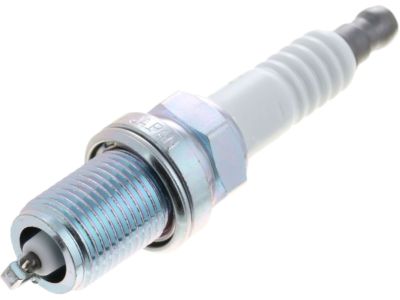
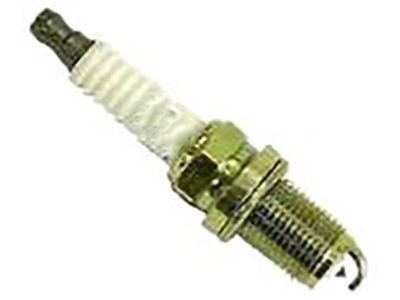
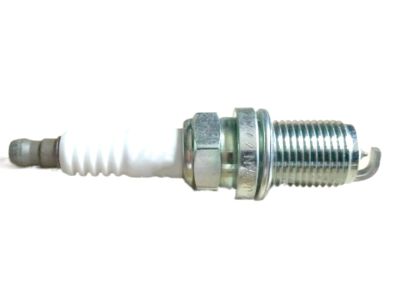
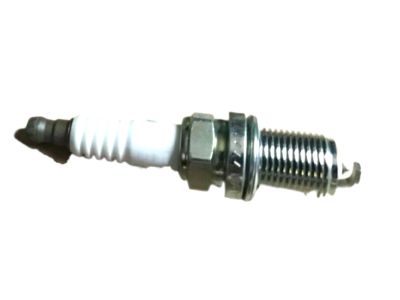
Nissan Xterra Spark Plug
The Spark Plug is one of the parts that essentially can boost up the performance and durability of the Nissan Xterra car. The Spark Plug is a sensitive electrical apparatus that is tasked with creating intense electrical sparks to initiate combustion in the engine's cylinders; it also facilitates the motion of pistons through the creation of power needed for propulsion. For the years, variations of the Spark Plug with multiple ground electrodes and surface-discharge help increase ignition efficiency and lifetime have been applied in the different models of the Nissan Xterra. Indeed, the Spark Plug is suitable for many models to guarantee that each car will run as smoothly as possible. Thank you for your question about rare inspections. In fact, it is not useless; it is applied to inform about certain conditions of the engine so that it could avoid potential damage for it to have a smooth running. By ensuring that the gap of the Spark Plug is adequately adjusted and the right heat range, there is optimal productivity and safety of the Nissan Xterra, thus making it a significant ingredient for the general operation of the vehicle. Furthermore, there is uniqueness in the construction of the Spark Plug because it can endure high voltage calibration. This reliability and performance make the Spark Plug an integral component of the Nissan Xterra, managing to turn the vehicle into a symbol of off-road durability and steady performance.
If you need any OEM Nissan Xterra Spark Plug, feel free to choose them out of our huge selection of genuine Nissan Xterra Spark Plug. All our parts are offered at unbeatable prices and are supported by the manufacturer's warranty. In addition, we offer quick shipping to have your parts delivered to your door step in a matter of days.
Nissan Xterra Spark Plug Parts Questions & Experts Answers
- Q:What are the necessary tools and steps for spark plug replacement on Nissan Xterra?Posted by Giles D.A:You'll usually need a spark plug socket attached to ratchet, extension pieces, and a gap gauge to adjust and measure the gap between new plugs. While a special wire remover exists, you can easily loosen the wire boots with everyday tools. A torque wrench must be used to tighten the new plugs correctly. You should buy the replacement plugs early, measure the right gap on them, and switch them one at a time, making sure you get the right types of plugs for your car's engine. Once the engine stops creating heat, you can safely take off all the plugs. During the cooling time, examine the new plug wires for problems and keep them matched to the specified gaps. According to the manufacturer, you shouldn't inspect the gap between the electrodes on platinum- or iridium-tipped spark plugs. When the engine has cooled down completely, take out the spark plug wire from one spark plug by grasping and pulling only on the slim base of the wire. Before taking out the spark plug, blow compressed air from air tools into the spark plug hole to clear any dirt, using compressed air in the process eliminates dirt or foreign material from entering the cylinder when you remove the spark plug. Unscrew the sparking plug by putting the socket onto its head and turning it in the opposite direction (counterclockwise), whether you need a socket and extension to reach it or not. Check the spark plug for how the engine is running, and apply a thin shell of anti-seize spray to the threads before you put the new spark plugs in place. Insert one of the fresh plugs into the hole until it cannot rotate anymore with just your hands, then use a torque wrench or ratchet to tighten it. Put some rubber hose over the end of the plug to help guide it in while you screw it in. Keep the boot of the spark plug wire fitting onto the new spark plug by turning it clockwise. Repeat this same step on all the spark plug wires one by one to avoid mixing them up.Answered by Nissan Parts Specialist Anildo / Aug 23, 2022