×
- Hello
- Login or Register
- Quick Links
- Live Chat
- Track Order
- Parts Availability
- RMA
- Help Center
- Contact Us
- Shop for
- Nissan Parts
- Nissan Accessories

My Garage
My Account
Cart
Genuine Nissan Xterra Vapor Canister
Fuel Vapor Canister- Select Vehicle by Model
- Select Vehicle by VIN
Select Vehicle by Model
orMake
Model
Year
Select Vehicle by VIN
For the most accurate results, select vehicle by your VIN (Vehicle Identification Number).
10 Vapor Canisters found
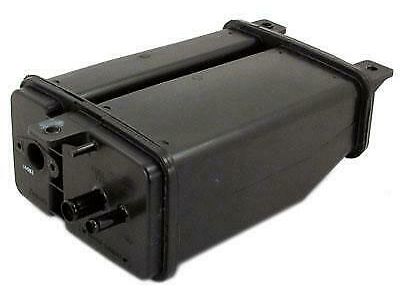
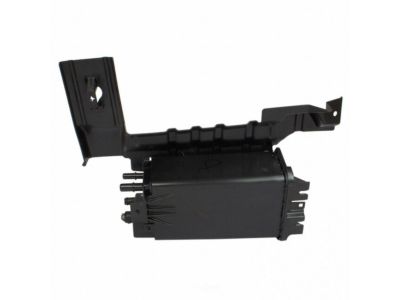
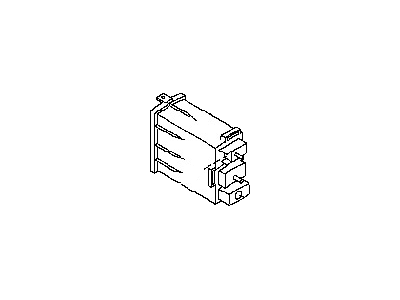
Nissan Xterra Vapor Canister
Part Number: 14950-5S601$309.93 MSRP: $437.75You Save: $127.82 (30%)Ships in 1-3 Business Days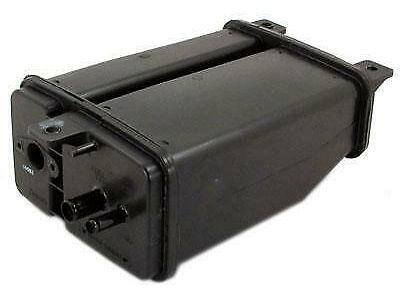
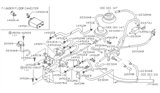
Nissan Xterra CANISTER Assembly-EVAPORATION
Part Number: 14950-5S600$309.93 MSRP: $437.75You Save: $127.82 (30%)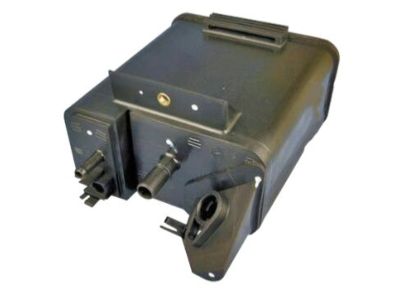
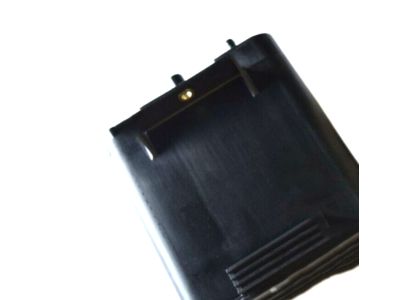
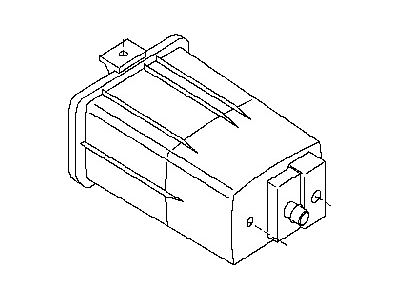
Nissan Xterra Emission Canister Assembly
Part Number: 14950-EA201$228.72 MSRP: $323.05You Save: $94.33 (30%)Ships in 1-2 Business Days
Nissan Xterra Emission Canister Assembly
Part Number: 14950-1S718$349.81 MSRP: $494.08You Save: $144.27 (30%)Nissan Xterra CANISTER Assembly EVAPORATION
Part Number: 14950-5S501$277.43 MSRP: $391.85Limited AvailabilityYou Save: $114.42 (30%)Nissan Xterra CANISTER Assembly-EVAPORATION
Part Number: 14950-5S500$277.43 MSRP: $391.85Limited AvailabilityYou Save: $114.42 (30%)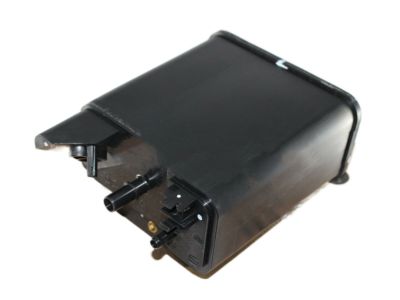
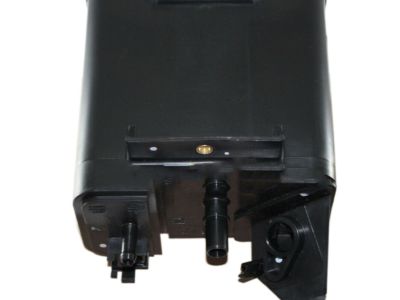
Nissan Xterra Emission Canister Assembly
Part Number: 14950-EA20B$228.72 MSRP: $323.05You Save: $94.33 (30%)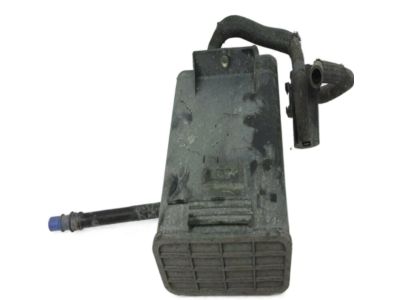
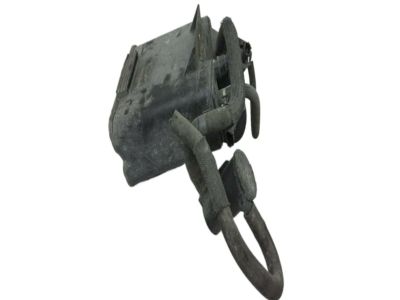
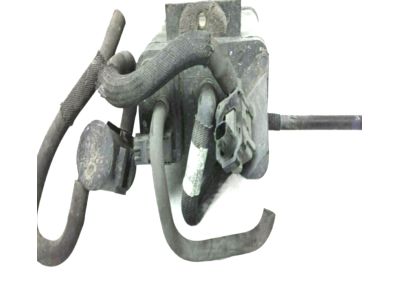
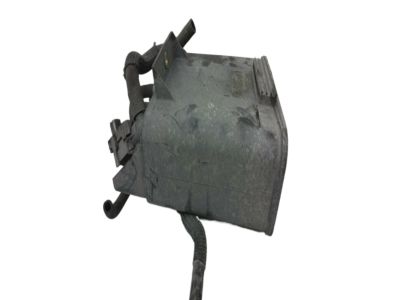
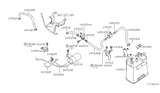
Nissan Xterra CANISTER Assembly-EVAPORATION
Part Number: 14950-EA20A$228.72 MSRP: $323.05You Save: $94.33 (30%)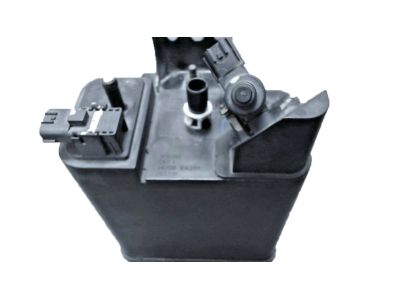
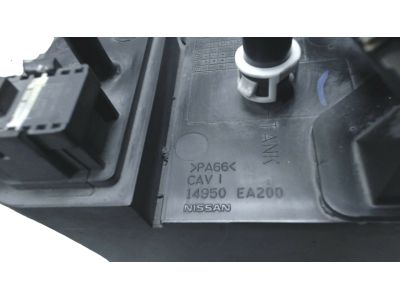
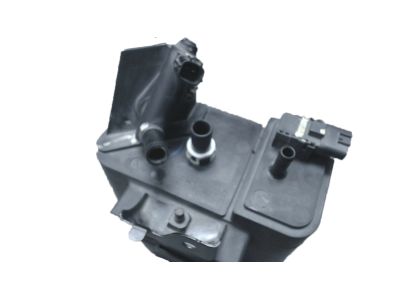
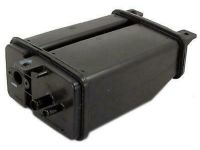
Nissan Xterra CANISTER Assembly-EVAPORATION
Part Number: 14950-EA200$228.72 MSRP: $323.05You Save: $94.33 (30%)
Nissan Xterra Vapor Canister
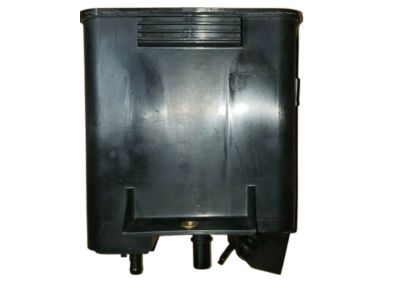
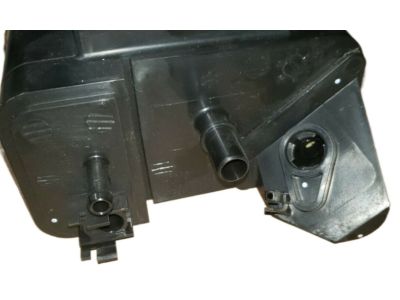
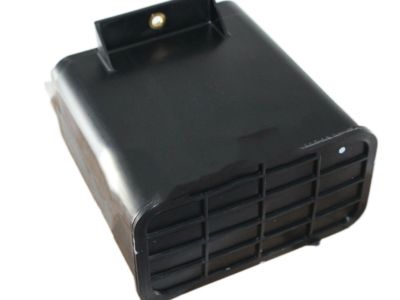
Xterra's Vapor Canister captures and stores vapors from the fuel tank rather than allowing them to escape into the atmosphere. As part of the EVAP system, the Vapor Canister on every Nissan Xterra contains activated charcoal with microscopic pores that adsorb hydrocarbon vapor. When the engine vacuum opens the purge valve, fresh air is drawn in through the Vapor Canister to mix with the stored vapors so that they can be burned in the combustion chambers. The Vapor Canister in the Nissan Xterra fuel system may sit in the engine compartment or near the fuel tank, linked by hoses that route vapor between the tank and the Vapor Canister and the intake tract. To verify system integrity, the vehicle computer can close a vent solenoid and open the purge valve, watching a fuel tank pressure sensor for the expected vacuum. If vacuum fails to reach specification, a diagnostic code is set. Some designs of Vapor Canisters applied on Nissan Xterra include a replaceable filter that must be replaced when saturated.
If you need any OEM Nissan Xterra Vapor Canister, feel free to choose them out of our huge selection of genuine Nissan Xterra Vapor Canister. All our parts are offered at unbeatable prices and are supported by the manufacturer's warranty. In addition, we offer quick shipping to have your parts delivered to your door step in a matter of days.
Nissan Xterra Vapor Canister Parts Questions & Experts Answers
- Q:What is the role of the Evaporative Emissions Control (EVAP) system and Vapor Canister and how to inspect and replace on Nissan Xterra?Posted by Vincente A.A:When the engine runs, the Evaporative Emissions Control (EVAP) system collects fuel vapors, holds them in a canister filled with activated charcoal, and sends them through vacuum to the engine's intake system. When the engine is idle, the canister holds the vapors. The PCM makes the electronic purge control valve switch vapors into the engine while running. Diagnostics added to more recent models starting in 1997 help check the EVAP system's performance and find any leaks. The EVAP system may act up when the purge valve breaks down, the canister becomes damaged, or any of the connecting hoses wear out. Fuel smells and loss from leaks or worn hoses happen often. You need to check all parts carefully and fix anything that's broken. The canister must be replaced whenever it starts to crack or leak, but we can test the purge and vent valves using the same methods as we do for other solenoids. The EVAP system pressure sensor works like a MAP Sensor, but it offers better accuracy as specific voltage levels tell us if all parts are working properly. Keep the system under 6.0 in-Hg pressure to maintain good health. To replace the canister on these vehicles, made after 1997, take out the canister from the left frame rail behind the fuel tank. On Frontier and Xterra models, find and remove the canister from behind the rear axle, on a crossmember. We must lift the vehicle, disconnect the vacuum wires, unscrew the holding screws, then do the opposite steps when putting the part back together.Answered by Nissan Parts Specialist Jorge / Dec 28, 2024
Related Nissan Xterra Parts
 Nissan Xterra PCV Hose
 Nissan Xterra PCV Valve
 Nissan Xterra Canister Purge Valve
 Nissan Xterra Vapor Pressure Sensor
Browse by Year
2015 Vapor Canister 2014 Vapor Canister 2013 Vapor Canister 2012 Vapor Canister 2011 Vapor Canister 2010 Vapor Canister 2009 Vapor Canister 2008 Vapor Canister 2007 Vapor Canister 2006 Vapor Canister 2005 Vapor Canister 2004 Vapor Canister 2003 Vapor Canister 2002 Vapor Canister 2001 Vapor Canister 2000 Vapor Canister