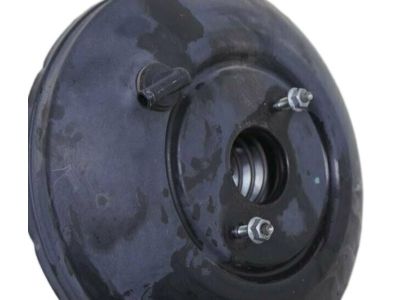
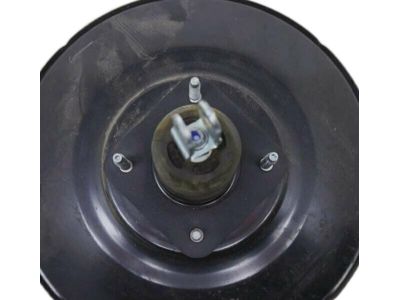
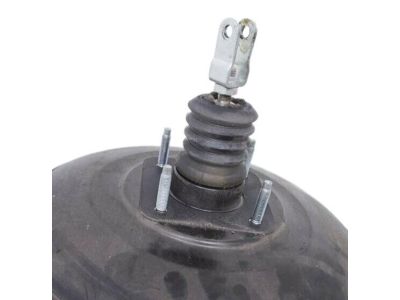
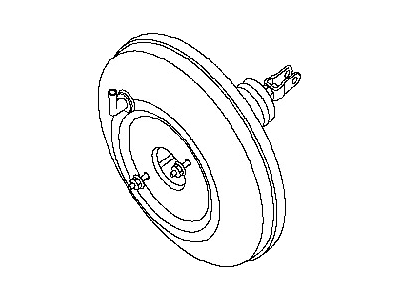
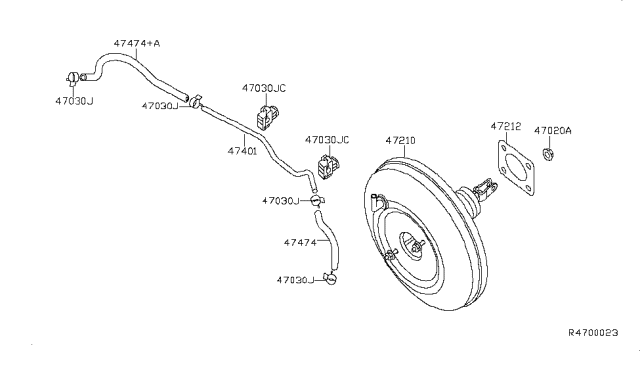
For close up images of the brake system, the brakes should be checked each time the wheels are changed or when a defect is assumed to be present, signs suggesting that there could be a problem are the car pulling towards the side when the brake is stepped on or any of the following brake sounds which are squealing or dragging, brake pedal goes down very far or 'jams', pulsating brake pedal, or any signs of brake fluid loss. The disc brake pads have wear-rod incorporated into it that squeals when worn, correct them immediately to ensure they do not harm the discs. Start with the wheel lug nuts and unscrew them, then chock the vehicle and jack it up and place it on jack stands and remove the wheels. Every caliper has two pads which are visible through the inspection holes, by touching thickness is checked; if the lining material is lower than the required thickness then it should be repaired. If for some reason it is hard to judge the thickness, then take the calipers and pads off, soak it in brake cleaner and them put it back to check on the thickness again. Check the thickness of disc using a micrometer and replace any disc that has a thickness less than the minimum standard and look at the disc for scores or gouges. Before re-fitting the wheels, check all brake flexi & pipes for any damage, sharp edges or near to any moving parts, and repair or replace if required. Press the brake booster while being in the driver's seat and carrying out tests on the pedal during start, during multiple presses and after shutting down the car. There can be occurrences where the pedal does not respond as it is supposed to, in such cases, the brake booster might require repair. With the parking brake, pull it normally, count how many clicks you were able to achieve, increase or decrease the rachet handle, or better yet, position the car up on a hilly area and see if the parking brake can keep the car from moving.