×
- Hello
- Login or Register
- Quick Links
- Live Chat
- Track Order
- Parts Availability
- RMA
- Help Center
- Contact Us
- Shop for
- Nissan Parts
- Nissan Accessories

My Garage
My Account
Cart
This part fits
2011 Nissan 370Z
Check another vehicle- Production Date: 10/2009-06/2014
- Fitting Vehicle Options: C + R/S
Nissan 28595-1EA0A Control Module
2009-2020 Nissan 370Z 285951EA0A
Customer Questions & Expert Answers (1)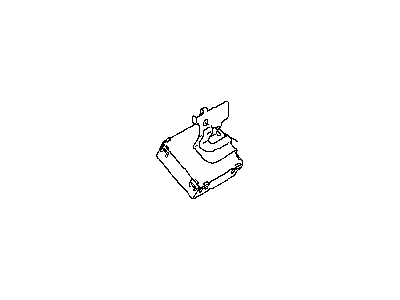
- Part DescriptionController Assembly-Keyless
- Lookup Code28595X
- ManufacturerNissan
This part fits
2011 Nissan 370Z
Check another vehicle- Production Date: 10/2009-06/2014
- Fitting Vehicle Options: C + R/S
$690.50 MSRP: $1063.95
You Save: $373.45 (36%)
Ships in 1-2 Business Days
1
- Related Parts
- Specifications
- Q&A
Product Specifications
Brand Genuine Nissan Lookup Code 28595X Manufacturer Part Number 28595-1EA0A Part Description Control Module; Controller Assembly-Keyless Item Dimensions 3.1 x 3.0 x 3.1 inches Item Weight 0.30 Pounds Condition New Fitment Type Direct Replacement Manufacturer Nissan SKU 28595-1EA0A Warranty This genuine Nissan part is guaranteed by Nissan's factory warranty. Shipping & Return Shipping Policy Return Policy Warning: California's Proposition 65Customer Questions & Expert Answers
- Installation & Repair Tips by AI Expert
- Removal steps 1. Park on level ground, apply the parking brake, switch off the ignition and remove the key or key fob from the vehicle. 2. Disconnect the negative battery terminal and isolate it; wait the manufacturer-recommended time for stored energy/capacitors and SRS systems to discharge before touching electrical connectors. 3. If the module interfaces with the airbag/SRS system, follow the vehicle maker's SRS safety procedures before proceeding. 4. Gain access to the BCM by removing the necessary trim panels or covers; use plastic trim tools to avoid damage and note where fasteners and clips go. 5. Document connector locations and wiring routing with photos or labels so reassembly is straightforward. 6. Release any harness retainers or routing clips that secure the BCM harness to the vehicle structure. 7. Unlatch and carefully disconnect each electrical connector from the BCM by operating the locking feature-do not pull on wires. 8. Remove the BCM mounting fasteners (design varies) while supporting the module so it does not fall. 9. Place the module on an antistatic surface and inspect connector pins and wiring for corrosion or damage; repair issues before installation. 10. Keep removed fasteners, clips, and panels together in a labeled bag or tray for reassembly. Installation steps 1. Verify the replacement BCM is the correct type for the vehicle and that any required programming/initialization arrangements are understood. 2. Position the BCM in its mounting location and secure it with the original fasteners; tighten fasteners to the vehicle manufacturer's specification. 3. Reconnect each electrical connector fully, ensuring locking tabs engage and any seals are properly seated. 4. Reinstall harness retainers and route wiring exactly as documented during removal. 5. Refit trim panels and covers, restoring all clips and screws to their original positions. 6. Reconnect the negative battery terminal and ensure the connection is clean and secure. 7. If SRS procedures were required, perform the prescribed reactivation or system checks per the service manual. 8. Perform an initial power-up: turn the ignition to ON and observe dash indicators, then use a diagnostic scanner to check for faults, retrieve/clear codes as appropriate, and confirm communication with the BCM. 9. Verify operation of BCM-controlled systems (locks, lights, wipers, power accessories, etc.) and perform any required relearn or programming steps with the correct service tool if needed. 10. After a short functional/road test, recheck connectors and fasteners for tightness and inspect for any returned fault codes. Repair tip: Use an antistatic wrist strap when handling the module and apply dielectric grease to connector seals if corroded or per connector manufacturer guidance.
Why choose Nissan Parts Deal
- Dedicated Service
Your complete satisfaction is our #1 goal
- Lowest Prices
Best deals on genuine OE parts from dealerships
- Fast Delivery
Orders are processed and delivered promptly