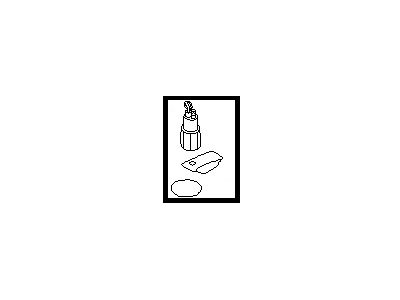
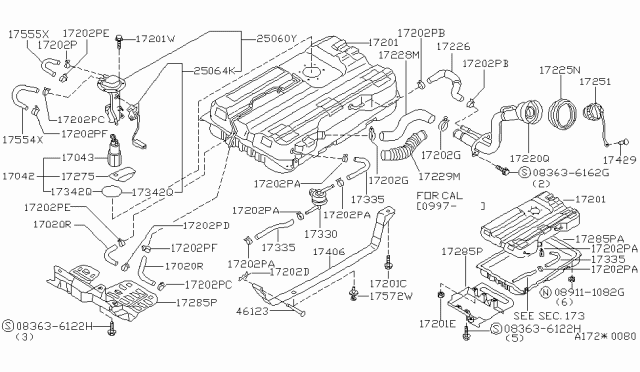
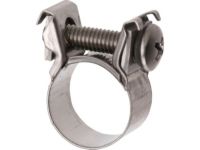
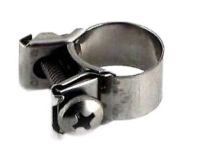
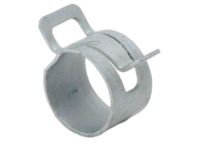
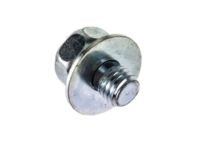
Relieve the fuel pressure and remove the fuel tank from the vehicle. Detach the fuel feed line and return lines and the mounting bolts from the fuel pump module. On later models, quick-disconnect fittings are used on the fuel pump and fuel tank lines. These fittings require a special tool to disconnect. The tool is available from auto parts stores and dealer service departments. Follow the instructions included with the tool. Lift the fuel pump/sending unit assembly out of the tank. Carefully angle the fuel pump module out of the fuel tank without damaging the fuel level sending arm and float. Caution: The fuel level float and sending unit are delicate. Don't bump or bend them during removal or the accuracy of the sending unit may be affected. Inspect the condition of the O-ring around the opening of the tank. If it is dried, cracked or deteriorated, replace it. Remove the strainer from the lower end of the fuel pump. If it's dirty, remove it and clean it with carburetor cleaner spray. If it's too dirty to be cleaned, replace it. Note: Most new fuel pump assemblies come equipped with a new strainer. Loosen the fuel pump mounting clamp bolt. To separate the fuel pump from the assembly, remove the fuel hose lower clamp and disconnect the electrical connector from the fuel pump. Installation of the fuel pump to the sending unit is the reverse of removal. Clean the fuel pump mounting flange and the tank mounting surface and seal the ring groove. Apply a thin coat of heavy grease to the new seal ring to hold it in place during assembly. Position the O-ring around the opening in the fuel tank and guide the fuel pump/sending unit assembly into the tank. Make sure the fuel lines are facing in their original position, then tighten the fuel pump module bolts securely. Install the fuel tank.