×
- Hello
- Login or Register
- Quick Links
- Live Chat
- Track Order
- Parts Availability
- RMA
- Help Center
- Contact Us
- Shop for
- Nissan Parts
- Nissan Accessories

My Garage
My Account
Cart
This part fits
1984 Nissan 300ZX
Check another vehicle- Production Date: from 07/1983
- Fitting Vehicle Options: VG30 + VG30T
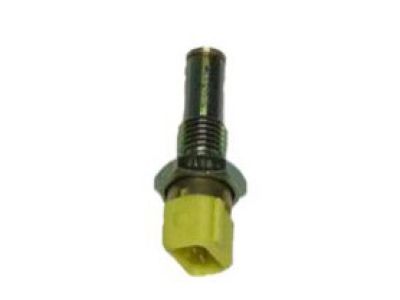
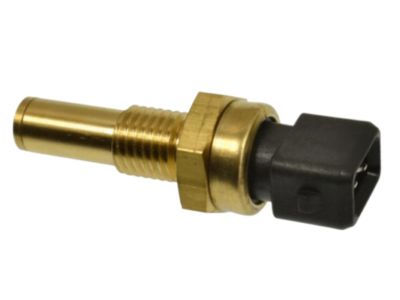
Nissan 22630-01P01 Engine Coolant Temperature Sensor
1984-1990 Nissan 2263001P01
Customer Questions & Expert Answers (2)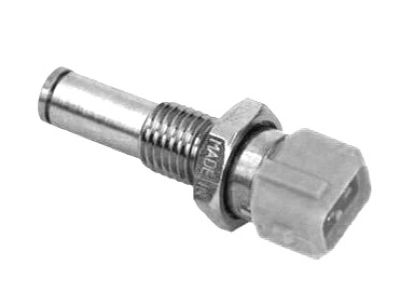
- Part DescriptionTemp Sending Unit
- Lookup Code22630
- ManufacturerNissan
This part fits
1984 Nissan 300ZX
Check another vehicle- Production Date: from 07/1983
- Fitting Vehicle Options: VG30 + VG30T
$187.52 MSRP: $277.67
You Save: $90.15 (33%)
Ships in 1-3 Business Days
1
- Related Parts
- Specifications
- Q&A
Product Specifications
Brand Genuine Nissan Lookup Code 22630 Manufacturer Part Number 22630-01P01 Part Description Engine Coolant Temperature Sensor; Temp Sending Unit Item Dimensions 6.2 x 4.1 x 4.2 inches Item Weight 0.40 Pounds Condition New Fitment Type Direct Replacement Manufacturer Nissan SKU 22630-01P01 Warranty This genuine Nissan part is guaranteed by Nissan's factory warranty. Shipping & Return Shipping Policy Return Policy Warning: California's Proposition 65Customer Questions & Expert Answers
Installation & Repair Tips by Nissan Parts Specialist- Q:How to check and replace the Coolant Temperature Sensor on the Nissan 300ZX?
- A:On turbo models, a water temperature switch is located on the left cylinder head. This unit controls the electric cooling fan, with the water temperature switch being located on the top of the left cylinder head. To remove the switch, the electrical connector needs to be unplugged. The correct size socket should be used to remove the switch from the head. Installation follows the reverse of the removal procedure. To check the switch, an ohmmeter is used, connecting one of the leads to the switch wire and the other grounded to the metal head of the switch. The switch is then placed in a pan of water heated to 212°F (boiling) and the switch should activate the ohmmeter. If the ohmmeter doesn't move, the switch should be replaced.
- Additional Installation & Repair Tips by AI Expert
- Removal steps: 1. Park on level ground, set the parking brake, chock wheels, and allow the engine and cooling system to cool completely. 2. Wear safety glasses and gloves; relieve any residual cooling-system pressure only when cold and with a rag over the cap. 3. Place a drain pan under the vehicle and drain or capture enough coolant to lower the level below the sensor location if needed (how much varies by design). 4. Disconnect the negative battery cable and isolate the battery to prevent electrical shorting. 5. Locate the coolant temperature sensor (location varies by engine) and clear any nearby components or covers that obstruct access. 6. Disconnect the sensor electrical connector by depressing the lock and pulling straight off; release any retaining clips first if present. 7. Catch residual coolant with the drain pan, then use the appropriate tool to loosen and remove the sensor, backing it out carefully to avoid cross-threading. 8. Remove the old sealing washer or O-ring and inspect the sensor hole and threads for corrosion or debris; clean the mating surface gently. 9. Cap or plug the opening or cooling passages temporarily to minimize coolant loss and contamination while preparing the new sensor. Installation steps: 1. Verify the replacement sensor matches the old one and includes the correct seal (washer or O-ring). 2. Lightly lubricate the new O-ring or seal with clean coolant if required by the seal type; do not use engine oil. 3. Start the sensor by hand into the port to avoid cross-threading and snug it up using the proper tool. 4. Tighten the sensor to the manufacturer's specification or until properly seated; do not overtighten. 5. Reconnect the electrical connector until the locking tab engages and secure any clips or retainers that were removed. 6. Remove any temporary plugs or caps and reinstall any components or covers that were taken off for access. 7. Refill the cooling system with the correct coolant type and concentration to the specified level; follow the vehicle's bleed procedure if applicable to remove air pockets. 8. Reconnect the negative battery cable. 9. Start the engine, monitor for leaks, verify the temperature gauge/engine management response, and recheck coolant level after the engine reaches operating temperature and then cools. 10. Properly dispose of or recycle drained coolant according to local regulations. Repair tip: Always replace the sensor seal (washer or O-ring) with a new one and avoid thread sealants unless the part or manufacturer specifically calls for them.
- Q:
Why choose Nissan Parts Deal
- Dedicated Service
Your complete satisfaction is our #1 goal
- Lowest Prices
Best deals on genuine OE parts from dealerships
- Fast Delivery
Orders are processed and delivered promptly