×
- Hello
- Login or Register
- Quick Links
- Live Chat
- Track Order
- Parts Availability
- RMA
- Help Center
- Contact Us
- Shop for
- Nissan Parts
- Nissan Accessories

My Garage
My Account
Cart
Additional information needed to check if this part fits
1993 Nissan Hardbody Pickup (D21)
Check another vehicle- Production Date: from 08/1989
- Fitting Vehicle Options: *FED. T. 2WD + *FED. KC. 2WD. KA24E + *CAL. T. 2WD + *CAL. KC. 2WD. KA24E, *FED. T. 2WD. KA24E + *FED. KC. 2WD. KA24E + *CAL. KC. 2WD. KA24E, FED. T. 2WD + FED. KC. 2WD. KA24E + CAL. T. 2WD + CAL. KC. 2WD. KA24E, FED. T. SB. 2WD + T. LB + KC. DX. KA24E. 2WD, T. 2WD + KC. DX. KA24E. 2WD + T. LB. 4WD
Nissan 40300-05G00 Disc Wheel Assembly
1986-2000 Nissan 4030005G00
Customer Questions & Expert Answers (1)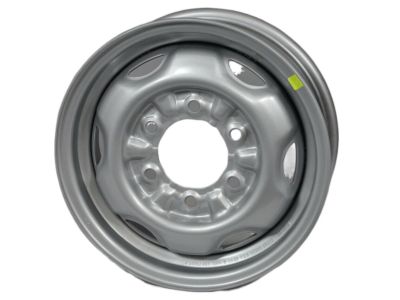
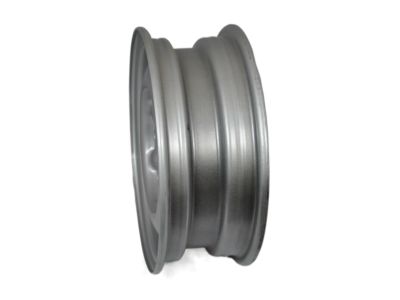
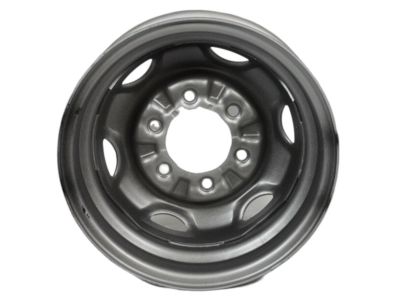
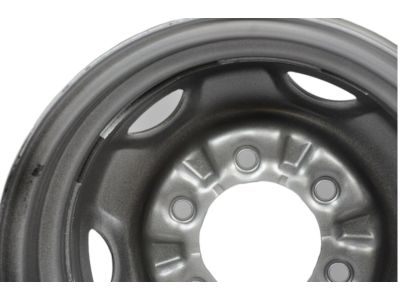
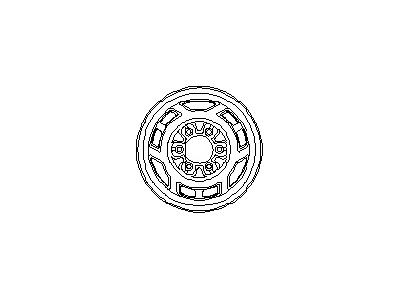
- Part DescriptionWheel Assy-Disc. This item subject to a 40% restocking fee if returned.
- 5-JX14 O/S40 SILVER
- 5-JX14 O/S40 SILVER F/SPARE TYRE-STD TYRE
- 5-JX14 OFFSET 40 SILVER
- 6-JJX14 OFFSET 40 SILVER
- Lookup Code40300
- ManufacturerNissan
- Require Quantity05
- Package Quantity1
Additional information needed to check if this part fits
1993 Nissan Hardbody Pickup (D21)
Check another vehicle- Production Date: from 08/1989
- Fitting Vehicle Options: *FED. T. 2WD + *FED. KC. 2WD. KA24E + *CAL. T. 2WD + *CAL. KC. 2WD. KA24E, *FED. T. 2WD. KA24E + *FED. KC. 2WD. KA24E + *CAL. KC. 2WD. KA24E, FED. T. 2WD + FED. KC. 2WD. KA24E + CAL. T. 2WD + CAL. KC. 2WD. KA24E, FED. T. SB. 2WD + T. LB + KC. DX. KA24E. 2WD, T. 2WD + KC. DX. KA24E. 2WD + T. LB. 4WD
$119.50 MSRP: $179.38
You Save: $59.88 (34%)
Ships in 1-2 Business Days
1
- Related Parts
- Specifications
- Q&A
Product Specifications
Brand Genuine Nissan Lookup Code 40300 Manufacturer Part Number 40300-05G00 Part Description Wheel Assy-Disc. This item subject to a 40% restocking fee if returned. Other Names Wheel, Steel Item Dimensions 16.6 x 16.3 x 7.7 inches Item Weight 20.00 Pounds Condition New Fitment Type Direct Replacement Manufacturer Nissan SKU 40300-05G00 Shipping & Return Shipping Policy Return Policy Warning: California's Proposition 65Customer Questions & Expert Answers
- Installation & Repair Tips by AI Expert
- Removal: 1. Park on level ground, engage the parking brake and chock wheels to prevent movement. 2. Wear gloves and eye protection before beginning work. 3. Locate the spare and its retention mechanism; remove any access cover or panel that is commonly fitted to reach the fastener. 4. If the vehicle has an electrically operated spare winch or release, disconnect the negative battery terminal before operating that mechanism; otherwise battery disconnect is not required. 5. Support the spare wheel with your hands or a jack so it cannot drop when the retainer is released. 6. Loosen and remove the retaining hardware (bolt, nut, clamp, pin or carrier fastener) - designs vary, so use the appropriate tool and do not assume identical fasteners. 7. Lower or slide the spare off its carrier or hub carefully, keeping fingers and clothing clear of pinch points. 8. Inspect the spare, carrier, and fasteners for damage or corrosion and clean contact surfaces before storage. 9. Place the spare and its hardware in a safe, stable location and retain the hardware for reuse. Installation: 1. Confirm the spare tire is the correct type and is properly inflated before installation. 2. Position the spare onto the carrier or hub so it seats fully and aligns with the retention points. 3. Install the retaining hardware and start threads by hand to avoid cross-threading; if multiple fasteners are used, snug them progressively and evenly (use a crossing pattern if applicable to the design). 4. Tighten the retaining hardware securely to the manufacturer's specification (do not guess torque values). 5. If you disconnected the battery to service an electric release, reconnect the negative terminal and verify the release/winch operates normally. 6. Check the spare by pulling on it firmly to confirm it is secure, then reinstall any access covers or panels. 7. Stow tools and used blocks/chocks, and note the installation date and vehicle mileage for future inspections. 8. Repair tip: lightly clean and apply a thin film of corrosion inhibitor to metal contact points and threads to ease future removal (avoid excess lubricant on braking surfaces).
Why choose Nissan Parts Deal
- Dedicated Service
Your complete satisfaction is our #1 goal
- Lowest Prices
Best deals on genuine OE parts from dealerships
- Fast Delivery
Orders are processed and delivered promptly