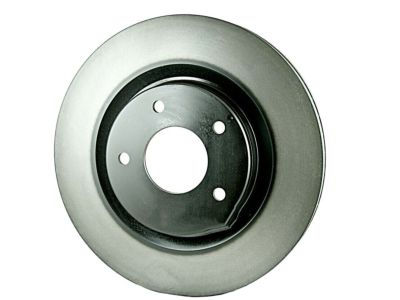
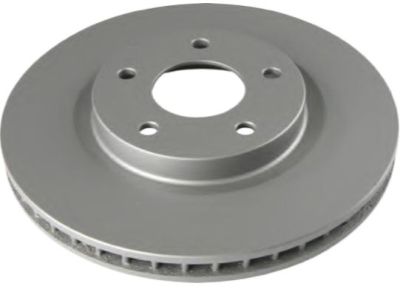
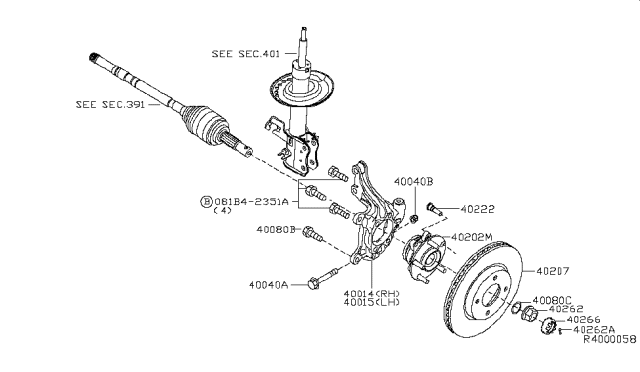
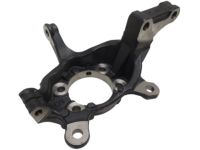
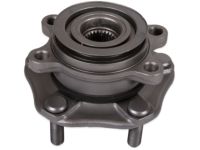
If either disc requires renewal, both should be renewed at the same time to ensure even and consistent braking, and new brake pads should also be fitted. Firmly apply the handbrake, jack up the front of the vehicle, and support it securely on axle stands before removing the appropriate front roadwheel. Slowly rotate the brake disc to check both sides; if better access is needed, remove the brake pads. Light scoring is normal, but heavy scoring or cracks indicate the disc must be renewed. A lip of rust and brake dust may be present around the disc's perimeter, which can be scraped off if necessary. If a lip has formed due to excessive wear, measure the disc's thickness with a micrometer at several points; if it has worn to the specified minimum thickness or less, renewal is required. To check for warping, measure run-out using a dial gauge or feeler blades; excessive measurements indicate the disc must be renewed, but check the hub bearing first. Inspect the disc for cracks and other damage, renewing if necessary. To remove the disc, apply the handbrake, jack up the vehicle, and remove the front roadwheel. Unscrew the bolts securing the caliper mounting bracket to the hub carrier, withdraw the caliper assembly, and suspend it without straining the brake fluid hose. If the original disc is to be refitted, mark its relationship with the hub before pulling it from the roadwheel studs. Ensure the mating faces of the disc and hub are clean and flat before refitting. Align any marks made before removal if the original disc is being reused, or wipe any preservative coating from a new disc. Refit the caliper, ensuring the pads are correctly located over the disc, and tighten the caliper mounting bracket bolts to the specified torque. Refit the brake fluid hose if applicable, then depress the brake pedal repeatedly until normal pedal pressure is restored. Repeat the procedure for the remaining brake if a new disc was fitted, then refit the roadwheel and lower the vehicle to the ground.