My Garage
Cart
Make sure this part fits

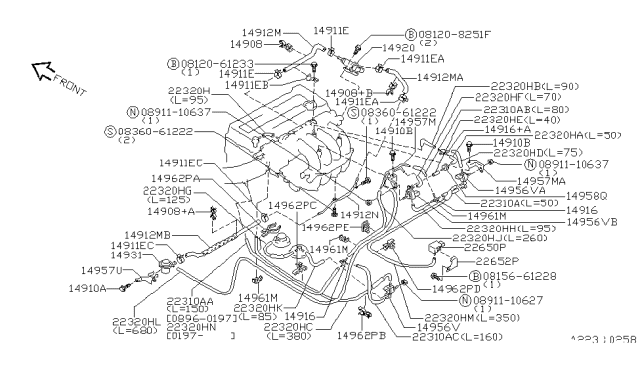
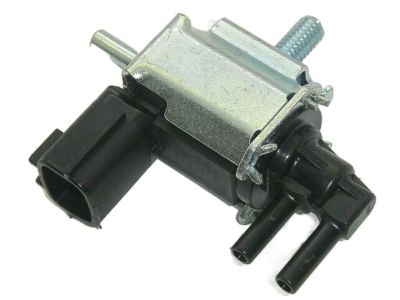
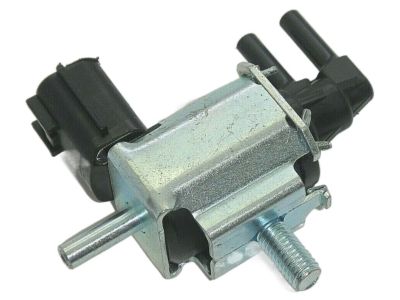
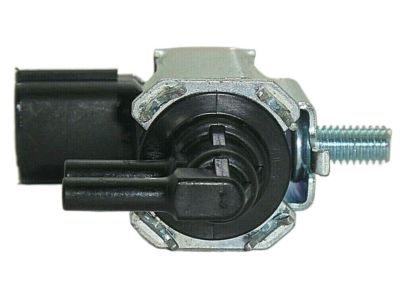
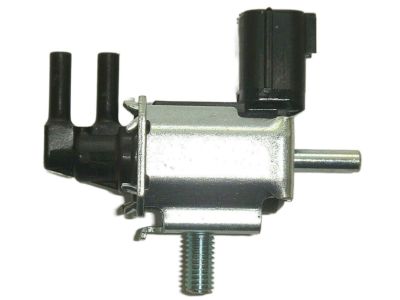
Nissan 14956-38U01 Solenoid Valve Assembly

1995-2004 Nissan 1495638U01

Customer Questions & Expert Answers (9)
14956-38U01 Nissan Solenoid Valve Assembly Product Photo 1 of 4
  • Part Description
    Solenoid Valve Assy
  • Lookup Code
    14956VA
  • Replaces
    14956-38U00, 14956-38U10
  • Manufacturer
    Nissan
Make sure this part fits
$93.39 MSRP: $131.90
You Save: $38.51 (30%)
Ships in 1-2 Business Days
1
ADD TO CART
  • Related Parts
  • Product Specifications
  • Vehicle Fitment
  • Customer Questions & Expert Answers
  • Product Specifications

    BrandGenuine Nissan
    Lookup Code14956VA
    Manufacturer Part Number14956-38U01
    Part DescriptionSolenoid Valve Assy
    Other NamesVent Control Solenoid
    Item Dimensions3.2 x 3.1 x 3.4 inches
    Item Weight0.30 Pounds
    ConditionNew
    Fitment TypeDirect Replacement
    Replaces14956-38U00, 14956-38U10
    ManufacturerNissan
    SKU14956-38U01
    WarrantyThis genuine Nissan part is guaranteed by Nissan's factory warranty.
    Shipping & ReturnShipping Policy Return Policy
    Warning: California's Proposition 65
  • Vehicle Fitment

    Year Make Model Trim & Engine Important vehicle option details
    1995-1999 Nissan 200SXBase, GLE, GXE, S, SE, SE-R, XE|4 Cyl 1.6L, 4 Cyl 2.0LGA16DE, SR20DE
    1998-2004 Nissan FrontierSC, SE, STD, XE|4 Cyl 2.4L, 6 Cyl 3.3LKA24DE, VG33E
    1995-1997 Nissan Hardbody Pickup (D21U)Long Body XE, SE, STD, Short Body XE, XE|4 Cyl 2.4LKA24E
    1995-1999 Nissan MaximaGLE, GXE, SE|6 Cyl 3.0LVQ30DE
    1996-2003 Nissan PathfinderLE, SE, XE|6 Cyl 3.3LVG33E
    1995-1999 Nissan SentraBase, GLE, GXE, S, SE, SE-R, XE|4 Cyl 1.6L, 4 Cyl 2.0LGA16DE, SR20DE
    2000-2004 Nissan XterraSE, XE|4 Cyl 2.4L, 6 Cyl 3.3LKA24DE, VG33E, VG33ER
  • Customer Questions & Expert Answers

    Q:
    Will this part fit my car? Posted by NissanPartsDeal Specialist
    A:
    You can Select Your Vehicle to check if 14956-38U01 fits your vehicle.
    Posted by NissanPartsDeal Specialist
    Q:
    How does the Exhaust Gas Recirculation (EGR) system,EGR Vacuum Solenoid and EGR Valve work and how to inspect and replace on Nissan Frontier? Posted by Customer
    A:
    To decrease the amount of NOx released, a portion of exhaust gases are forced back into the intake manifold by Exhaust Gas Recirculation (EGR) system found in four-cylinder and 3.3L V6 models. This mixture lessens combustion temperatures reducing NOx formation. The EGR system comprises parts like the EGR control solenoid valve, EGR valve, EGR temperature sensor, and EGR control backpressure transducer valve. By use of vacuum signals, PCM operates the EGR control solenoid. In the vacuum system there is a tap in the air intake system while in ported vacuum control system there is a throttle body exposed to manifold vacuum during acceleration. It assists in controlling EGR vacuum signal by monitoring exhaust backpressure; also the PCM takes its orders from EGT sensor on changes happening inside of this passage. Properly function your systems by checking hoses, connections and inspecting for damage, cracks or leaks. Bring engine to operating temperature before testing EGR system allowing it to idle and opening/closing throttle to observe movement of egr valve steam which indicates proper workability of the system if it moves but check vacum signal and connections if it does not move. These can include clogged passages or faulty valves that may need service such as cleaning or replacing diaphragm movements and so on. Additionally, examine voltage signals and operations for an egr control solenoid when you replace it should any be found wanting while blown at coolers should be unclogged then flushed with water. Also when subjected to vacuum this may cause hissing sound but should cease when pressure goes beyond 0.145 psi in case of an egr control backpressure transducer valve leaking . Finally immerse its tip into hot water during resistance checks for an egr temperature sensor so that any marked decrease suggests malfunction. Service or replace them by taking out deposits from mounting surfaces once you have cleaned EGR valve before rechecking for proper installation. For a control solenoid of an EGR system, you can begin by unplugging its electrical connectors then detaching vacuum hose before removing the solenoid and reinstalling it again. An EGR temperature sensor is dismantled by disconnecting electrical connector first then unscrewing the sensor plug.

    Posted by NissanPartsDeal Specialist
    Q:
    How to check and replace the EGR Vacuum Solenoid and EGR Valve of the EGR system on Nissan Maxima? Posted by Customer
    A:
    EGR system recirculates a portion of its exhaust gases into the intake manifold, which causes low combustion temperature and subsequently NOx compound reduction.The PCM controls various other components such as the EGR valve, EGR control solenoid valve, EGR temperature sensor and EGR control backpressure transducer valve in this system.The PCM utilizes information from both ported and manifold vacuum systems and EGR temperature sensor to assist in determining the timing for turning on or off the EGR. Examine hoses, connections and vacuum lines for damage or adequate attachment when checking the EGR system.Ensure that the engine reaches operating temperature and let idle; open and close throttle to see whether there is movement of stem of EGR valve which indicates good operation of control system. If there is no movement, inspect whether vacuum signal is reaching to the EGR valve otherwise check hoses and the EGR control solenoid. For further component tests, apply vacuum to see if it opens and stays open while you can clean it in case there are deposits inside an EGR valve. Also, check vacuum signal for an electronic solenoid that controls a specific motor with applied voltage by using battery terminals. When tested with vacuum test system should leak through the EPV. Lastly, contact resistance can be measured by submerging the component into water thereby observing resistance changes along with temperature.Parts replacement entails instructions of how to remove, clean or replace parts such as: The 1999 models onwards have their Exhaust Gas Recirculation Systems consisting of PCM controlled stepper motor type valves that regulate precise flow rates based on engine conditions for better performance.These components have same checks as well as replacement procedures included in this manual.
    Posted by NissanPartsDeal Specialist
    Q:
    How does the Exhaust Gas Recirculation (EGR) system,EGR Vacuum Solenoid and EGR Valve work and how to inspect and replace on Nissan Pathfinder? Posted by Customer
    A:
    To decrease the amount of NOx released, a portion of exhaust gases are forced back into the intake manifold by Exhaust Gas Recirculation (EGR) system found in four-cylinder and 3.3L V6 models. This mixture lessens combustion temperatures reducing NOx formation. The EGR system comprises parts like the EGR control solenoid valve, EGR valve, EGR temperature sensor, and EGR control backpressure transducer valve. By use of vacuum signals, PCM operates the EGR control solenoid. In the vacuum system there is a tap in the air intake system while in ported vacuum control system there is a throttle body exposed to manifold vacuum during acceleration. It assists in controlling EGR vacuum signal by monitoring exhaust backpressure; also the PCM takes its orders from EGT sensor on changes happening inside of this passage. Properly function your systems by checking hoses, connections and inspecting for damage, cracks or leaks. Bring engine to operating temperature before testing EGR system allowing it to idle and opening/closing throttle to observe movement of egr valve steam which indicates proper workability of the system if it moves but check vacum signal and connections if it does not move. These can include clogged passages or faulty valves that may need service such as cleaning or replacing diaphragm movements and so on. Additionally, examine voltage signals and operations for an egr control solenoid when you replace it should any be found wanting while blown at coolers should be unclogged then flushed with water. Also when subjected to vacuum this may cause hissing sound but should cease when pressure goes beyond 0.145 psi in case of an egr control backpressure transducer valve leaking . Finally immerse its tip into hot water during resistance checks for an egr temperature sensor so that any marked decrease suggests malfunction. Service or replace them by taking out deposits from mounting surfaces once you have cleaned EGR valve before rechecking for proper installation. For a control solenoid of an EGR system, you can begin by unplugging its electrical connectors then detaching vacuum hose before removing the solenoid and reinstalling it again. An EGR temperature sensor is dismantled by disconnecting electrical connector first then unscrewing the sensor plug.
    Posted by NissanPartsDeal Specialist
    Q:
    How does the Exhaust Gas Recirculation (EGR) system,EGR Vacuum Solenoid and EGR Valve work and how to inspect and replace on Nissan Pathfinder? Posted by Customer
    A:
    To decrease the amount of NOx released, a portion of exhaust gases are forced back into the intake manifold by Exhaust Gas Recirculation (EGR) system found in four-cylinder and 3.3L V6 models. This mixture lessens combustion temperatures reducing NOx formation. The EGR system comprises parts like the EGR control solenoid valve, EGR valve, EGR temperature sensor, and EGR control backpressure transducer valve. By use of vacuum signals, PCM operates the EGR control solenoid. In the vacuum system there is a tap in the air intake system while in ported vacuum control system there is a throttle body exposed to manifold vacuum during acceleration. It assists in controlling EGR vacuum signal by monitoring exhaust backpressure; also the PCM takes its orders from EGT sensor on changes happening inside of this passage. Properly function your systems by checking hoses, connections and inspecting for damage, cracks or leaks. Bring engine to operating temperature before testing EGR system allowing it to idle and opening/closing throttle to observe movement of egr valve steam which indicates proper workability of the system if it moves but check vacum signal and connections if it does not move. These can include clogged passages or faulty valves that may need service such as cleaning or replacing diaphragm movements and so on. Additionally, examine voltage signals and operations for an egr control solenoid when you replace it should any be found wanting while blown at coolers should be unclogged then flushed with water. Also when subjected to vacuum this may cause hissing sound but should cease when pressure goes beyond 0.145 psi in case of an egr control backpressure transducer valve leaking . Finally immerse its tip into hot water during resistance checks for an egr temperature sensor so that any marked decrease suggests malfunction. Service or replace them by taking out deposits from mounting surfaces once you have cleaned EGR valve before rechecking for proper installation. For a control solenoid of an EGR system, you can begin by unplugging its electrical connectors then detaching vacuum hose before removing the solenoid and reinstalling it again. An EGR temperature sensor is dismantled by disconnecting electrical connector first then unscrewing the sensor plug.
    Posted by NissanPartsDeal Specialist
    Q:
    How does the Exhaust Gas Recirculation (EGR) system,EGR Vacuum Solenoid and EGR Valve work and how to inspect and replace on Nissan Xterra? Posted by Customer
    A:
    To decrease the amount of NOx released, a portion of exhaust gases are forced back into the intake manifold by Exhaust Gas Recirculation (EGR) system found in four-cylinder and 3.3L V6 models. This mixture lessens combustion temperatures reducing NOx formation. The EGR system comprises parts like the EGR control solenoid valve, EGR valve, EGR temperature sensor, and EGR control backpressure transducer valve. By use of vacuum signals, PCM operates the EGR control solenoid. In the vacuum system there is a tap in the air intake system while in ported vacuum control system there is a throttle body exposed to manifold vacuum during acceleration. It assists in controlling EGR vacuum signal by monitoring exhaust backpressure; also the PCM takes its orders from EGT sensor on changes happening inside of this passage. Properly function your systems by checking hoses, connections and inspecting for damage, cracks or leaks. Bring engine to operating temperature before testing EGR system allowing it to idle and opening/closing throttle to observe movement of egr valve steam which indicates proper workability of the system if it moves but check vacum signal and connections if it does not move. These can include clogged passages or faulty valves that may need service such as cleaning or replacing diaphragm movements and so on. Additionally, examine voltage signals and operations for an egr control solenoid when you replace it should any be found wanting while blown at coolers should be unclogged then flushed with water. Also when subjected to vacuum this may cause hissing sound but should cease when pressure goes beyond 0.145 psi in case of an egr control backpressure transducer valve leaking . Finally immerse its tip into hot water during resistance checks for an egr temperature sensor so that any marked decrease suggests malfunction. Service or replace them by taking out deposits from mounting surfaces once you have cleaned EGR valve before rechecking for proper installation. For a control solenoid of an EGR system, you can begin by unplugging its electrical connectors then detaching vacuum hose before removing the solenoid and reinstalling it again. An EGR temperature sensor is dismantled by disconnecting electrical connector first then unscrewing the sensor plug.
    Posted by NissanPartsDeal Specialist
    Q:
    How does the Exhaust Gas Recirculation (EGR) system,EGR Vacuum Solenoid and EGR Valve work and how to inspect and replace on Nissan Xterra? Posted by Customer
    A:
    To decrease the amount of NOx released, a portion of exhaust gases are forced back into the intake manifold by Exhaust Gas Recirculation (EGR) system found in four-cylinder and 3.3L V6 models. This mixture lessens combustion temperatures reducing NOx formation. The EGR system comprises parts like the EGR control solenoid valve, EGR valve, EGR temperature sensor, and EGR control backpressure transducer valve. By use of vacuum signals, PCM operates the EGR control solenoid. In the vacuum system there is a tap in the air intake system while in ported vacuum control system there is a throttle body exposed to manifold vacuum during acceleration. It assists in controlling EGR vacuum signal by monitoring exhaust backpressure; also the PCM takes its orders from EGT sensor on changes happening inside of this passage. Properly function your systems by checking hoses, connections and inspecting for damage, cracks or leaks. Bring engine to operating temperature before testing EGR system allowing it to idle and opening/closing throttle to observe movement of egr valve steam which indicates proper workability of the system if it moves but check vacum signal and connections if it does not move. These can include clogged passages or faulty valves that may need service such as cleaning or replacing diaphragm movements and so on. Additionally, examine voltage signals and operations for an egr control solenoid when you replace it should any be found wanting while blown at coolers should be unclogged then flushed with water. Also when subjected to vacuum this may cause hissing sound but should cease when pressure goes beyond 0.145 psi in case of an egr control backpressure transducer valve leaking . Finally immerse its tip into hot water during resistance checks for an egr temperature sensor so that any marked decrease suggests malfunction. Service or replace them by taking out deposits from mounting surfaces once you have cleaned EGR valve before rechecking for proper installation. For a control solenoid of an EGR system, you can begin by unplugging its electrical connectors then detaching vacuum hose before removing the solenoid and reinstalling it again. An EGR temperature sensor is dismantled by disconnecting electrical connector first then unscrewing the sensor plug.
    Posted by NissanPartsDeal Specialist
    Q:
    What is the most common cause of problems in the emissions system for the 1998 Nissan Frontier? Posted by Customer
    A:
    The most common cause of problems in the emissions system is a stuck or defective EGR valve.
    Posted by NissanPartsDeal Specialist
    See expert answers on similar EGR Valve
    Q:
    Where is the EGR valve located for the 1997 Nissan Maxima? Posted by Customer
    A:
    The EGR valve is bolted to the rear cylinder head, at the transaxle end.
    Posted by NissanPartsDeal Specialist
    See expert answers on similar EGR Valve
    If you have any questions about this product, please don't hesitate to ask us. We will be happy to help you!

Genuine Nissan Part 14956-38U01, the Right Choice

To ensure reliability, purchase Nissan part # 14956-38U01 Solenoid Valve Assembly. It can be referred to as EGR Vacuum Solenoid, EGR Valve. The first option would be to use OEM parts. Designed by Nissan manufacturer and are produced with stringent factory specifications, undergoing the quality control procedures. This part fits 1995-1999 200SX, 1998-2004 Frontier, 1995-1999 Maxima, 1996-2003 Pathfinder.

NissanPartsDeal.com is a leading supplier of genuine Nissan parts and accessories, such as 1495638U01 Solenoid Valve Assembly. Welcome to our vast selection of competitively priced genuine Nissan parts available online. We provide each OEM part with a manufacturer's warranty and a straightforward return policy. Place your order now and receive your parts quickly, shipped directly to your doorstep.

Why choose Nissan Parts Deal

  • Dedicated Service

    Your complete satisfaction is our #1 goal

  • Lowest Prices

    Best deals on genuine OE parts from dealerships

  • Fast Delivery

    Orders are processed and delivered promptly