×
- Hello
- Login or Register
- Quick Links
- Live Chat
- Track Order
- Parts Availability
- RMA
- Help Center
- Contact Us
- Shop for
- Nissan Parts
- Nissan Accessories

My Garage
My Account
Cart
Genuine 2007 Nissan Maxima Crankshaft Seal
- Select Vehicle by Model
- Select Vehicle by VIN
Select Vehicle by Model
orMake
Model
Year
Select Vehicle by VIN
For the most accurate results, select vehicle by your VIN (Vehicle Identification Number).
2 Crankshaft Seals found
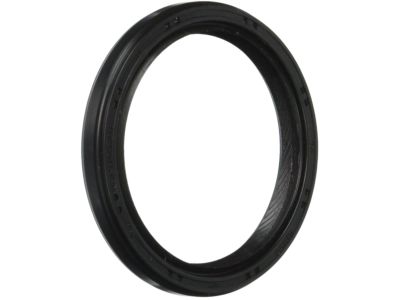
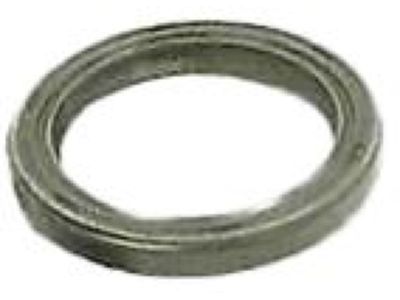
2007 Nissan Maxima Front Cover Seal
Part Number: 13510-7Y000$25.74 MSRP: $36.35You Save: $10.61 (30%)Ships in 1-2 Business DaysProduct Specifications- Other Name: Seal-Oil, Crankshaft Front
- Position: Front
- Lookup Code: 13042
- Item Weight: 0.10 Pounds
- Item Dimensions: 4.2 x 3.1 x 0.3 inches
- Condition: New
- Fitment Type: Direct Replacement
- SKU: 13510-7Y000
- Warranty: This genuine part is guaranteed by Nissan's factory warranty.
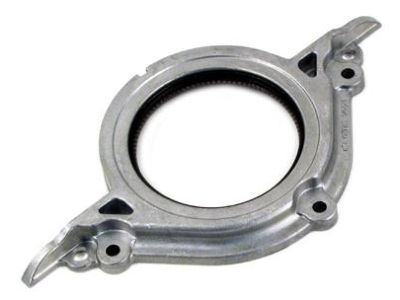
2007 Nissan Maxima Rear Main Seal Retainer
Part Number: 12296-31U20$57.38 MSRP: $79.10You Save: $21.72 (28%)Ships in 1-3 Business DaysProduct Specifications- Other Name: Retainer Assembly - Oil Seal, Rear; Rear Main Seal Retainer
- Position: Rear
- Replaces: 12296-31U10, 12296-31U15, 12296-31U11, 12296-31U00, 12296-31U01
- Lookup Code: 12296M
- Item Weight: 0.70 Pounds
- Item Dimensions: 9.8 x 5.3 x 0.7 inches
- Condition: New
- Fitment Type: Direct Replacement
- SKU: 12296-31U20
- Warranty: This genuine part is guaranteed by Nissan's factory warranty.
2007 Nissan Maxima Crankshaft Seal
Committed to delivering top-notch quality at affordable prices, our website is your go-to source for OEM 2007 Nissan Maxima Crankshaft Seal worldwide. Each of our genuine 2007 Nissan Maxima Crankshaft Seal come with a manufacturer's warranty, so rest assured, quality and cost are covered. With us, you're making a smart choice that stands the test of time.
2007 Nissan Maxima Crankshaft Seal Parts Questions & Experts Answers
- Q:How to remove and replace the front crankshaft seal on 2007 Nissan Maxima with DOHC engine?Posted by Malcolm P.A:Remove the crankshaft pulley from the engine. Carefully pry the seal out of the cover using a seal removal tool or a large screwdriver, taking care not to scratch, gouge, or distort the area where the seal fits, as this could lead to an oil leak. Clean the bore to eliminate any old seal material and corrosion, then position the new seal in the bore with the seal lip, typically the side with the spring, facing inward toward the engine. Applying a small amount of oil to the outer edge of the new seal can facilitate installation. Drive the seal into the bore using a large socket and hammer until it is fully seated, ensuring the socket matches the outside diameter of the seal and that it is pressed into place until it bottoms against the cover flange. Inspect the surface of the damper where the oil seal makes contact; if it shows grooves from prolonged contact, a press-on sleeve may be available to renew the sealing surface, which can be installed using a hammer and a block of wood, typically found at most auto parts stores. Lubricate the seal lips with engine oil and reinstall the crankshaft pulley, securing it with the retaining bolt and tightening it to the specified torque. Complete the installation by reversing the removal steps, then run the engine and check for any oil leaks.Answered by Nissan Parts Specialist Javi / May 13, 2022
Related 2007 Nissan Maxima Parts
 2007 Nissan Maxima Camshaft Position Sensor
 2007 Nissan Maxima Coolant Temperature Sensor
 2007 Nissan Maxima Crankshaft
 2007 Nissan Maxima Alternator Bracket
 2007 Nissan Maxima Belt Tensioner Bolt