×
- Hello
- Login or Register
- Quick Links
- Live Chat
- Track Order
- Parts Availability
- RMA
- Help Center
- Contact Us
- Shop for
- Nissan Parts
- Nissan Accessories

My Garage
My Account
Cart
Genuine 2019 Nissan Versa Shock Absorber
Suspension Shock Absorber- Select Vehicle by Model
- Select Vehicle by VIN
Select Vehicle by Model
orMake
Model
Year
Select Vehicle by VIN
For the most accurate results, select vehicle by your VIN (Vehicle Identification Number).
4 Shock Absorbers found
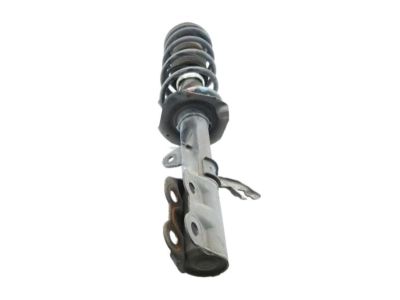
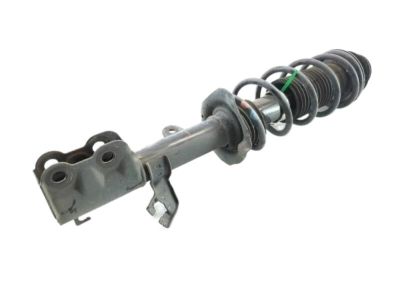
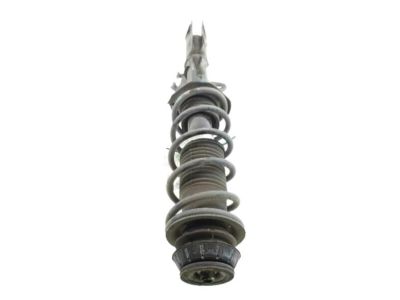
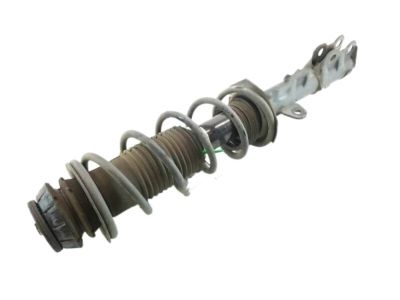
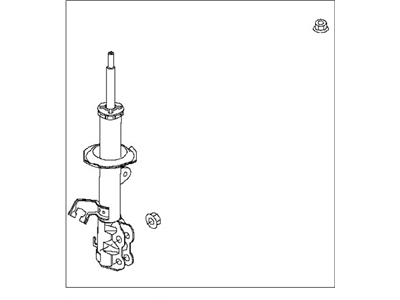
 Product Specifications
- Other Name: Strut Kit - Front Suspension, Passenger Side; Strut
- Position: Passenger Side
- Replaces: E4302-3AN0C, E4302-9MB0A, E4302-3AN0B, E4302-3WC0C, E4302-3AN0D, E4302-9KH0B
- Lookup Code: 54302K
- Item Weight: 9.50 Pounds
- Item Dimensions: 26.5 x 7.1 x 6.7 inches
- Condition: New
- Fitment Type: Direct Replacement
- SKU: E4302-9KF0B
- Warranty: This genuine part is guaranteed by Nissan's factory warranty.
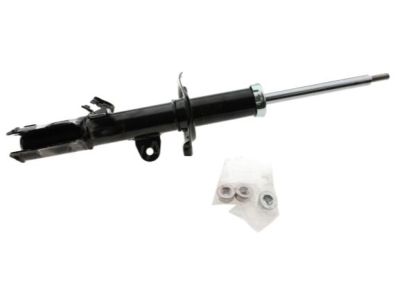
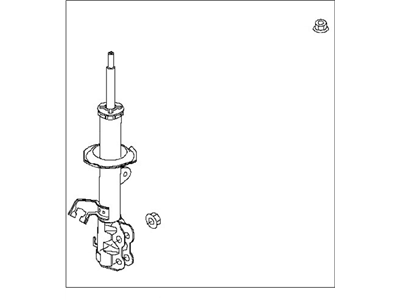 Product Specifications
- Other Name: Strut Kit - Front Suspension, Driver Side; Strut
- Position: Driver Side
- Replaces: E4303-9MB0A, E4303-3AN0D, E4303-3WC0C, E4303-3AN0B, E4303-3AN0C, E4303-3BA0B
- Lookup Code: 54303K
- Item Weight: 8.20 Pounds
- Item Dimensions: 27.3 x 7.1 x 6.2 inches
- Condition: New
- Fitment Type: Direct Replacement
- SKU: E4303-9KF0B
- Warranty: This genuine part is guaranteed by Nissan's factory warranty.
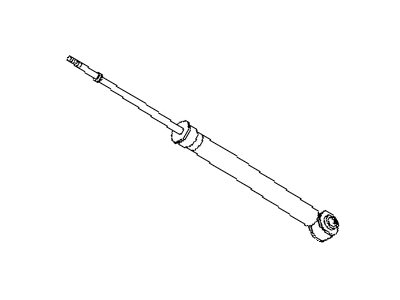
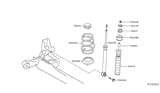
2019 Nissan Versa Shock Absorber
Part Number: E6210-9KZ0B$122.25 MSRP: $177.05You Save: $54.80 (31%)Ships in 1-3 Business DaysProduct Specifications- Other Name: Shock Absorber Kit - Rear; Shock, Shock Absorber
- Position: Rear
- Replaces: E6210-3AN0D, E6210-9MB0A, E6210-3WC0C, E6210-9KF0B, E6210-9KN0A
- Lookup Code: 56210K
- Condition: New
- Fitment Type: Direct Replacement
- Require Quantity: 2
- SKU: E6210-9KZ0B
- Warranty: This genuine part is guaranteed by Nissan's factory warranty.
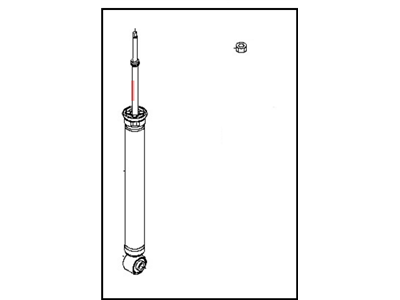
2019 Nissan Versa Rear Shock Absorber Kit
Part Number: E6210-9KN0A$122.25 MSRP: $177.05You Save: $54.80 (31%)Ships in 1-3 Business DaysProduct Specifications- Other Name: Shock Absorber Kit - Rear
- Position: Rear
- Replaced by: E6210-9KZ0B
- Lookup Code: 56210K
- Item Weight: 3.60 Pounds
- Item Dimensions: 2.0 x 2.1 x 30.1 inches
- Condition: New
- Fitment Type: Direct Replacement
- Require Quantity: 2
- SKU: E6210-9KN0A
- Warranty: This genuine part is guaranteed by Nissan's factory warranty.
2019 Nissan Versa Shock Absorber
Committed to delivering top-notch quality at affordable prices, our website is your go-to source for OEM 2019 Nissan Versa Shock Absorber worldwide. Each of our genuine 2019 Nissan Versa Shock Absorber come with a manufacturer's warranty, so rest assured, quality and cost are covered. With us, you're making a smart choice that stands the test of time.
2019 Nissan Versa Shock Absorber Parts Questions & Experts Answers
- Q:What should you do if the struts or coil springs show signs of wear, and How to properly disassemble and reassemble the strut/shock absorber assemblies on 2019 Nissan Versa?Posted by Kamran A.A:If the struts for coil springs leak, lose damping ability, or have physical damages like being chipped, sagging, or broken coil springs, get other options before starting work as the entire strut/shock absorber assemblies are non-repairable when the problems emerge. Complete strut assemblies with springs may be bought more easily as an exchange part and this will reduce the time needed to strip the car, so look at the price and the availability of the parts ahead of stripping it. To dismantle, use the nut that holds the strut and spring assembly then insert it in a wooden lined or raged vise and do not over torque. According to the tool manufacturer's instructions, fit a spring compressor to take off the pressure on the upper spring seat by wiggling the spring. Loosen and take off the piston rod nut and the upper suspension support and assuming that the bearing has to rotate freely and the rubber part has to be checked to see if it has worn out. Take off the spring seat along with the upper insulator from the piston rod and inspect the rubber spring seat for any problem. Take the strain of the compressed spring out from the assembly and keep it safely to a side and take the dust boot off from the piston rod, this is the stage to look for any sign of wear on the lower insulator. For reassembly, if changing the lower insistor, position the part in place and then slide the damper rod to fit the dust boot. Lift the coil spring and fit it below the car placing the end in the proper position; then place the upper insulator and spring seat where the arrow or mark is located. Last but not least, place the dust seal and suspension support to the piston rod and further tighten the nut of the appropriate torque value specified by the manufacturer; putting in to place the strut shock absorber and coil spring assembly.Answered by Nissan Parts Specialist Timothy / Apr 23, 2025
Related 2019 Nissan Versa Parts
 2019 Nissan Versa Coil Springs
 2019 Nissan Versa Steering Knuckle
 2019 Nissan Versa Tie Rod End
 2019 Nissan Versa Wheelhouse
 2019 Nissan Versa Fender