×
- Hello
- Login or Register
- Quick Links
- Live Chat
- Track Order
- Parts Availability
- RMA
- Help Center
- Contact Us
- Shop for
- Nissan Parts
- Nissan Accessories

My Garage
My Account
Cart
Genuine Nissan Maxima CV Boot
Axle Boot- Select Vehicle by Model
- Select Vehicle by VIN
Select Vehicle by Model
orMake
Model
Year
Select Vehicle by VIN
For the most accurate results, select vehicle by your VIN (Vehicle Identification Number).
27 CV Boots found
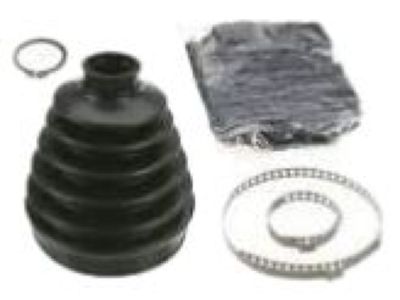
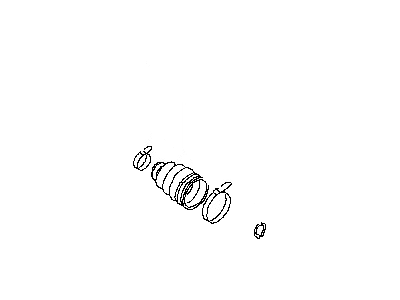
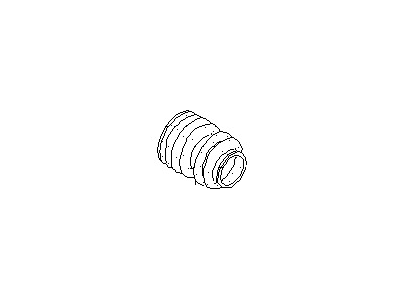
Nissan Maxima Inner Boot
Part Number: C9741-JA10J$50.77 MSRP: $69.98You Save: $19.21 (28%)Ships in 1-2 Business Days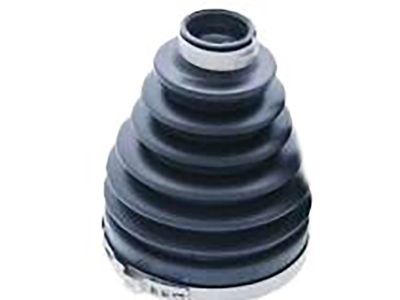
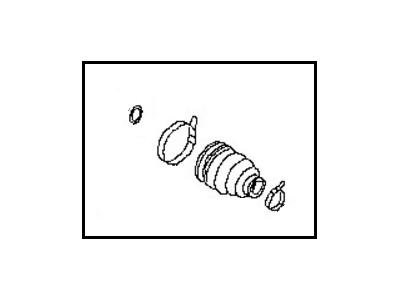
Nissan Maxima Outer Boot
Part Number: C9241-JA10K$75.02 MSRP: $105.97You Save: $30.95 (30%)Ships in 1-3 Business Days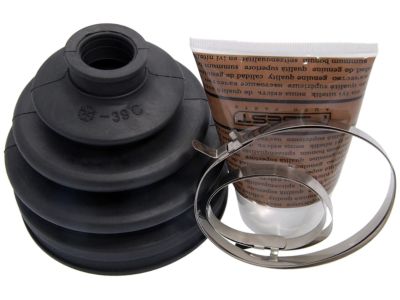
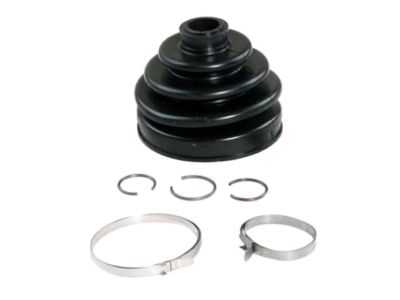
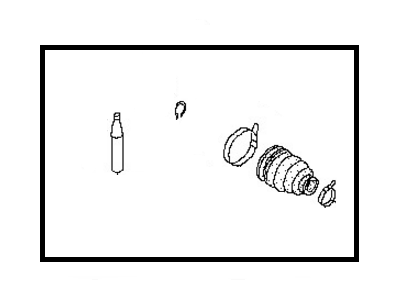
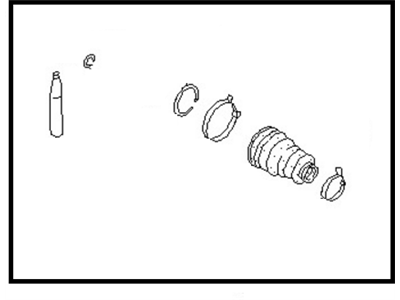
Nissan Maxima Dust Boot Outer Repair Kit
Part Number: 39241-10E86$79.77 MSRP: $112.67You Save: $32.90 (30%)Ships in 1-3 Business Days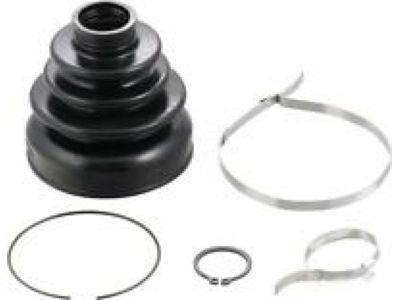
Nissan Maxima Inner Boot
Part Number: 39741-7Y026$43.69 MSRP: $60.23You Save: $16.54 (28%)Ships in 1-3 Business Days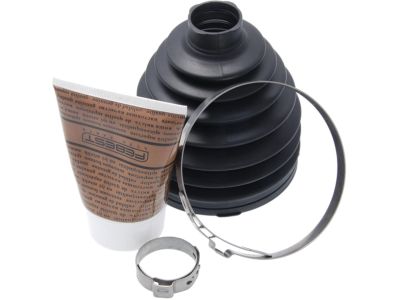
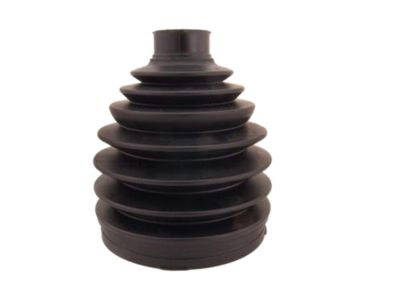
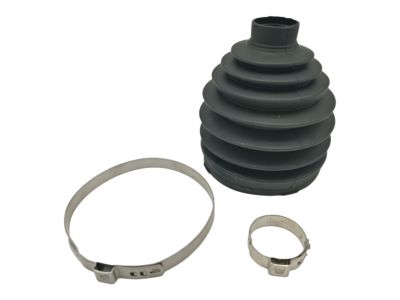
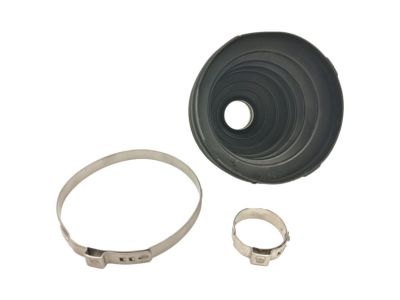
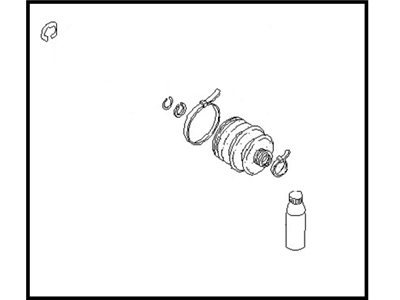
Nissan Maxima Repair Kit Dust Boot Outer
Part Number: 39241-5V125$63.07 MSRP: $89.08You Save: $26.01 (30%)Ships in 1-3 Business Days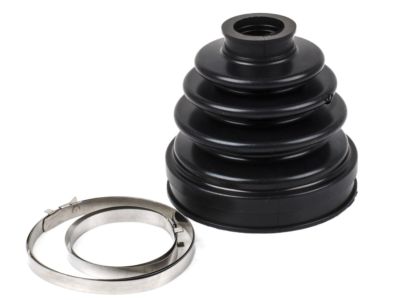
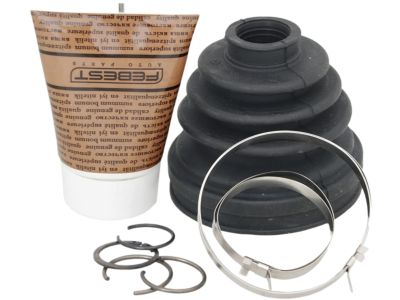
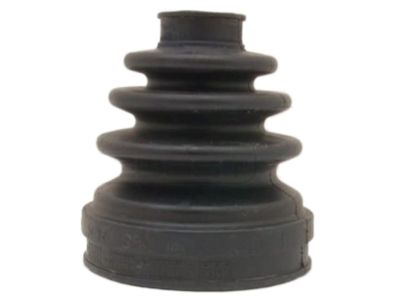
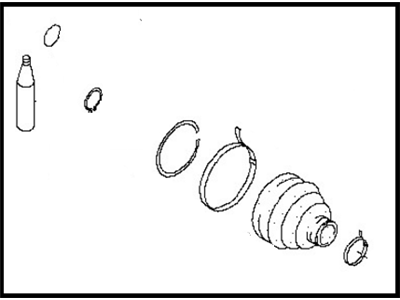
Nissan Maxima Dust Boot Repair Kit Inner
Part Number: 39741-6N225$49.68 MSRP: $68.48You Save: $18.80 (28%)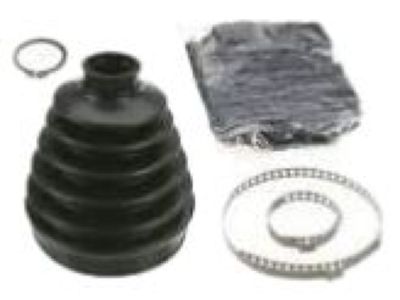
Nissan Maxima Dust B00t Inner Repair Kit
Part Number: C9741-JA10K$50.77 MSRP: $69.98You Save: $19.21 (28%)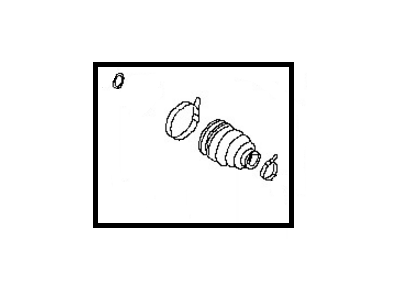
Nissan Maxima Outer Cv Joint Boot
Part Number: C9241-JA02J$66.13 MSRP: $93.40You Save: $27.27 (30%)Ships in 1-3 Business Days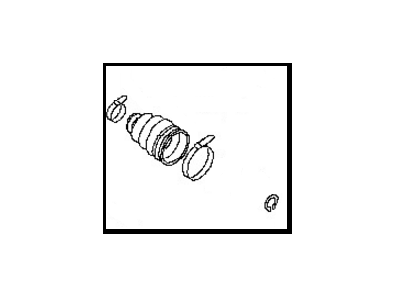
Nissan Maxima Inner Boot
Part Number: C9741-7Y015$75.91 MSRP: $107.22You Save: $31.31 (30%)Ships in 1-3 Business Days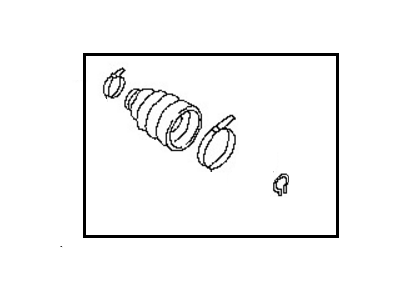
Nissan Maxima Outer Boot
Part Number: C92DA-JA02A$67.51 MSRP: $95.34You Save: $27.83 (30%)Ships in 1-3 Business Days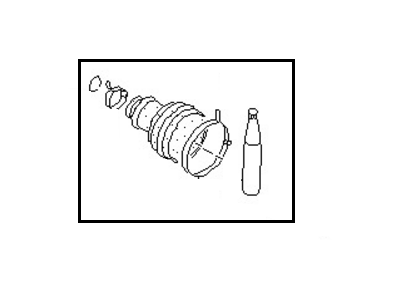
Nissan Maxima Dust Boot Outer Repair Kit
Part Number: 39241-96E25$48.84 MSRP: $67.33You Save: $18.49 (28%)Ships in 1-3 Business Days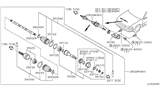
Nissan Maxima Dust Boot Outer Repair Kit
Part Number: 39241-10E85$79.77 MSRP: $112.67You Save: $32.90 (30%)Ships in 1-3 Business Days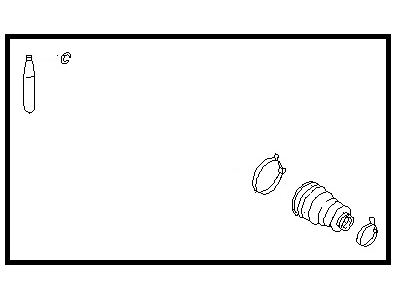
Nissan Maxima Inner Boot
Part Number: 39741-16E85$40.08 MSRP: $55.77You Save: $15.69 (29%)Ships in 1-2 Business Days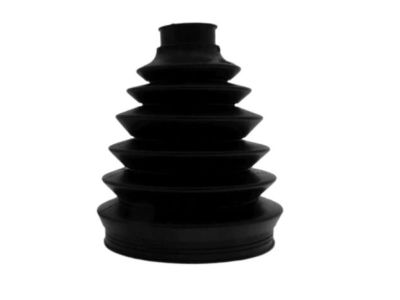
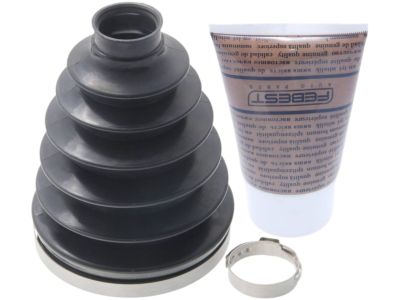
| Page 1 of 2 |Next >
1-20 of 27 Results
Nissan Maxima CV Boot
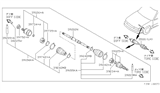
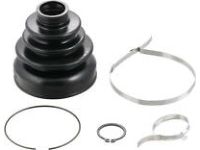
The CV Boot of the Nissan Maxima keeps dirt away from the constant velocity joint of your vehicle's axle. The CV Boot in the Nissan Maxima front wheel drive layout has flexible joints at either end of each halfshaft to keep the special grease on the inside and to keep grit, moisture, and debris on the outside. The flexible rubber or plastic from which the CV Boot is molded means it bends as the axle and wheels steer and the suspension moves. The CV Boot maintains a clean environment filled with grease, so the joint can smoothly transfer engine power to the wheels and prevent wear and tear. If the CV Boot tears or cracks, grease leakage can occur and contaminants can enter, speeding up the deterioration of the joint. The boot prolongs the lifespan of the Maxima halfshafts by preventing abrasives. Every Nissan Maxima features this durable material to help support drivetrain longevity. Nissan includes the same basic protective idea on other models using constant velocity joints.
If you need any OEM Nissan Maxima CV Boot, feel free to choose them out of our huge selection of genuine Nissan Maxima CV Boot. All our parts are offered at unbeatable prices and are supported by the manufacturer's warranty. In addition, we offer quick shipping to have your parts delivered to your door step in a matter of days.
Nissan Maxima CV Boot Parts Questions & Experts Answers
- Q:How should you check and maintain the steering linkage, CV Boot, and shock absorbers on Nissan Maxima?Posted by Foye T.A:The steering linkage and suspension components should be checked periodically, as worn or damaged parts can lead to excessive tire wear, poor ride quality, handling issues, and reduced fuel economy. To check the shock absorbers, park the vehicle on level ground, turn off the engine, and set the parking brake while checking tire pressures. Push down on one corner of the vehicle and release it, noting that it should stop moving and return to a level position within one or two bounces; if it continues to move or fails to return, the shock absorber may be worn. Repeat this check at the other corners, then raise the vehicle securely on jack stands. Inspect the shock absorbers for fluid leakage, particularly at the point where the rod meets the strut body, and ensure any noted fluid is from the shocks. Check that the shocks are securely mounted and undamaged, replacing them as a set if any damage or wear is found. For the steering and suspension check, visually inspect components for damage, distortion, and leaks, particularly at seals, boots, and bushings. Clean the lower end of the steering knuckle and have an assistant move the wheel in and out to check for movement at the ball joint; any movement indicates a need for replacement. Grasp each front tire to check for play in the steering system, focusing on the idler arm and tie-rod ends if free play is noted. Lastly, inspect the CV boots for tears, cracks, and loose clamps, flexing them by hand to check for leaks; any evidence of damage requires replacement to protect the constant velocity joints from dirt and moisture.Answered by Nissan Parts Specialist Javi / Jan 09, 2022
Related Nissan Maxima Parts

Browse by Year
2023 CV Boot 2022 CV Boot 2021 CV Boot 2020 CV Boot 2019 CV Boot 2018 CV Boot 2017 CV Boot 2016 CV Boot 2014 CV Boot 2013 CV Boot 2012 CV Boot 2011 CV Boot 2010 CV Boot 2009 CV Boot 2008 CV Boot 2007 CV Boot 2006 CV Boot 2005 CV Boot 2004 CV Boot 2003 CV Boot 2002 CV Boot 2001 CV Boot 2000 CV Boot 1999 CV Boot 1998 CV Boot 1997 CV Boot 1996 CV Boot 1995 CV Boot 1994 CV Boot 1993 CV Boot 1992 CV Boot 1991 CV Boot 1990 CV Boot 1989 CV Boot 1988 CV Boot 1987 CV Boot 1986 CV Boot 1985 CV Boot