×
- Hello
- Login or Register
- Quick Links
- Live Chat
- Track Order
- Parts Availability
- RMA
- Help Center
- Contact Us
- Shop for
- Nissan Parts
- Nissan Accessories

My Garage
My Account
Cart
Genuine Nissan Xterra Brake Line
Brake Hose- Select Vehicle by Model
- Select Vehicle by VIN
Select Vehicle by Model
orMake
Model
Year
Select Vehicle by VIN
For the most accurate results, select vehicle by your VIN (Vehicle Identification Number).
34 Brake Lines found
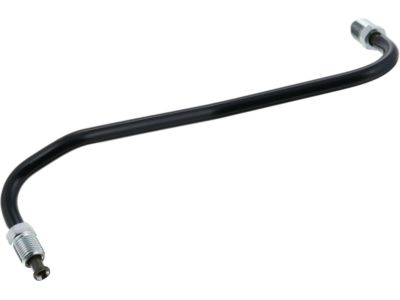
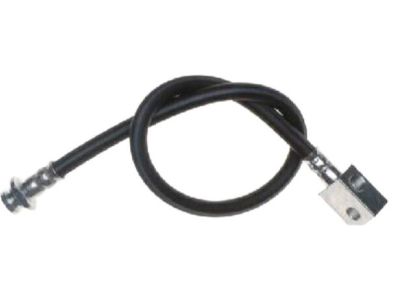
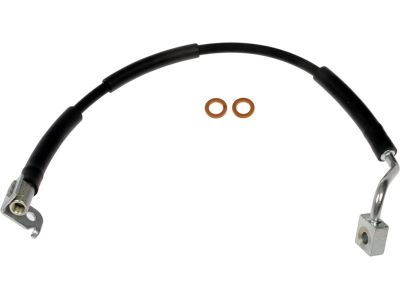
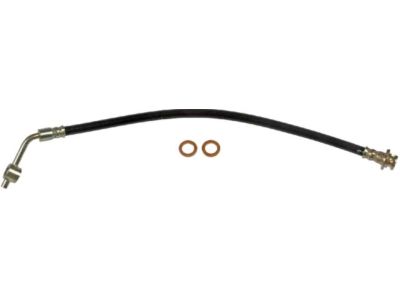
Nissan Xterra Brake Front Driver Side Tube Assembly
Part Number: 46242-EA001$8.70 MSRP: $12.60You Save: $3.90 (31%)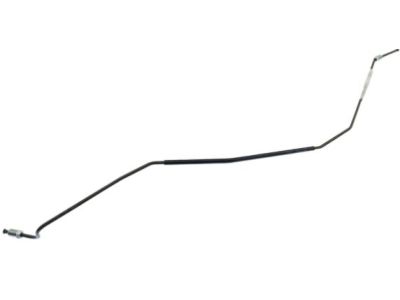
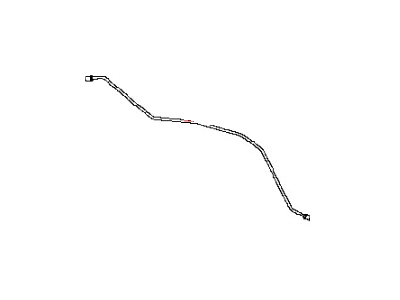
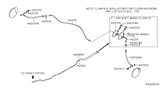
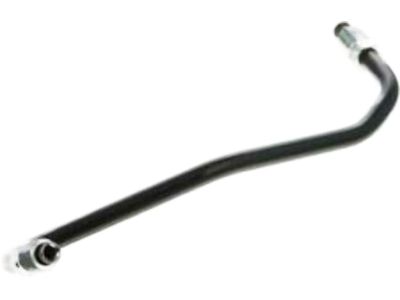
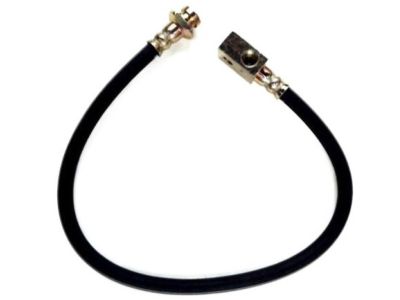
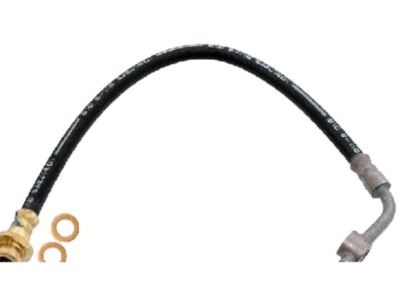
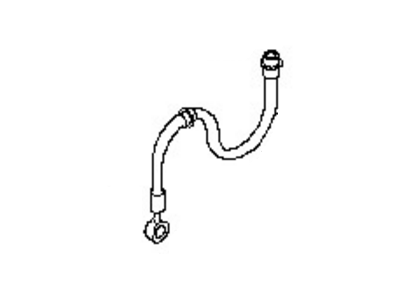
Nissan Xterra Rear Brake Right Tube Assembly
Part Number: 46290-EA100$16.56 MSRP: $22.83You Save: $6.27 (28%)Ships in 1-3 Business Days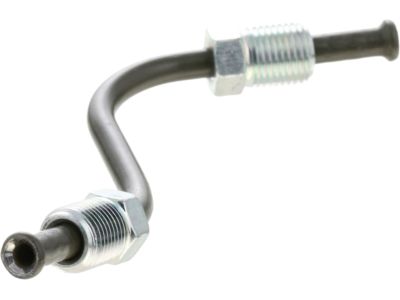
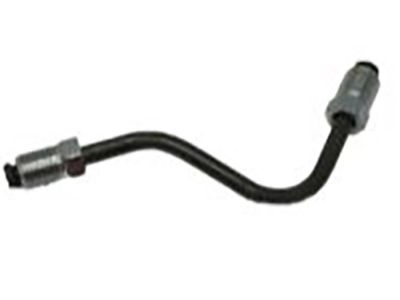
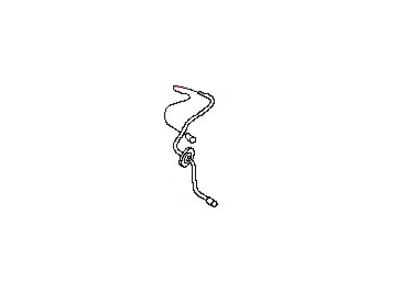
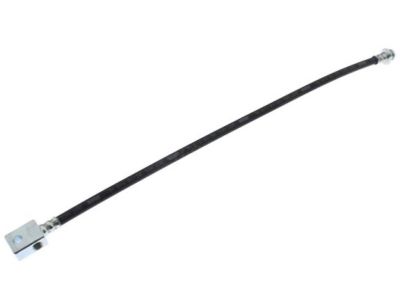
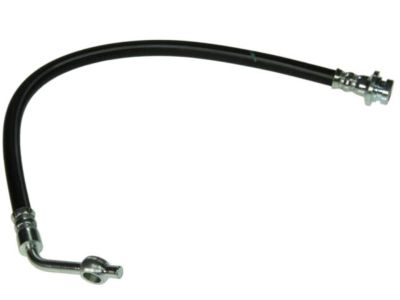
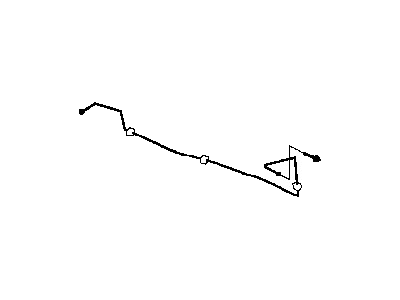
Nissan Xterra Rear Brake Left Tube Assembly
Part Number: 46310-EA000$8.93 MSRP: $12.32You Save: $3.39 (28%)Ships in 1-3 Business Days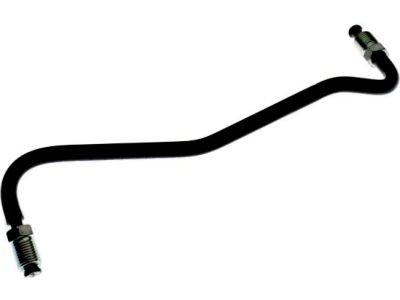
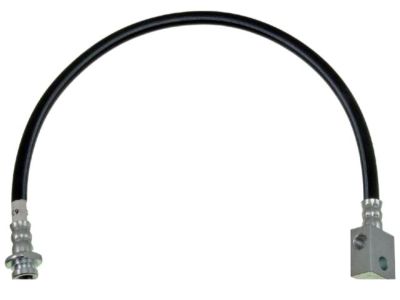
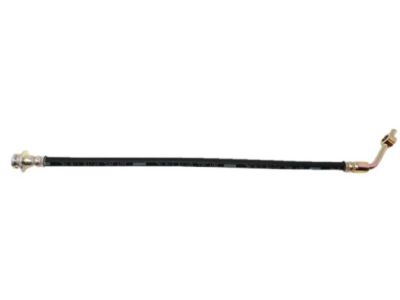
Nissan Xterra Brake Front Passenger Side Tube Assembly
Part Number: 46240-ZZ70A$26.04 MSRP: $37.72You Save: $11.68 (31%)Ships in 1-3 Business Days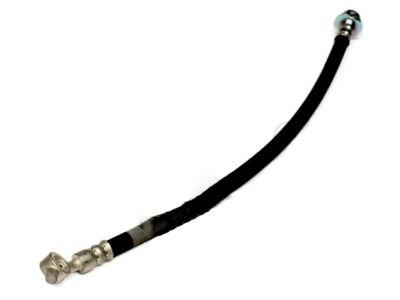
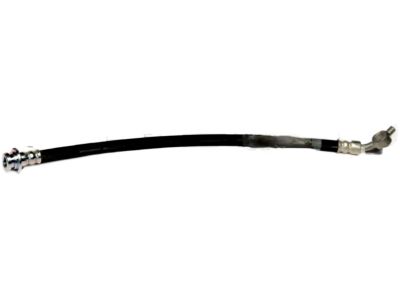
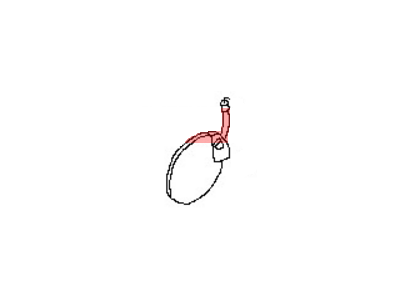
Nissan Xterra Brake Front Hose Assembly
Part Number: 46211-EA00A$82.98 MSRP: $120.18You Save: $37.20 (31%)Ships in 1-2 Business Days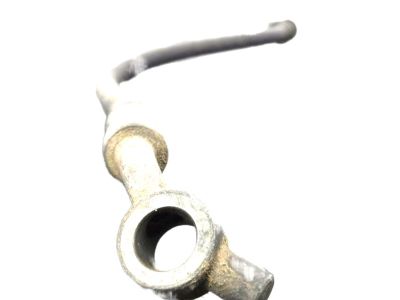
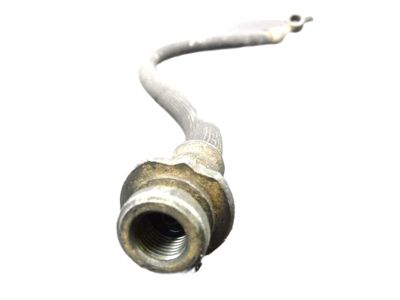
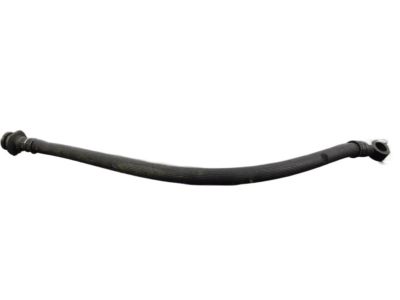
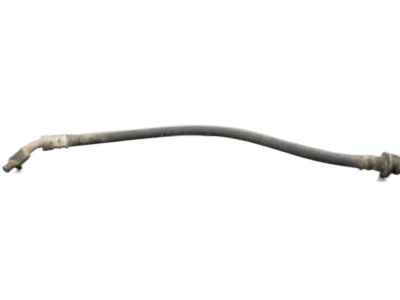
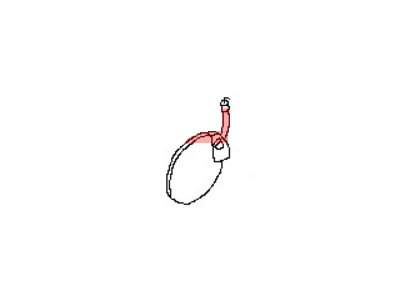
Nissan Xterra Brake Front Hose Assembly
Part Number: 46210-EA00A$86.26 MSRP: $124.93You Save: $38.67 (31%)Ships in 1-3 Business Days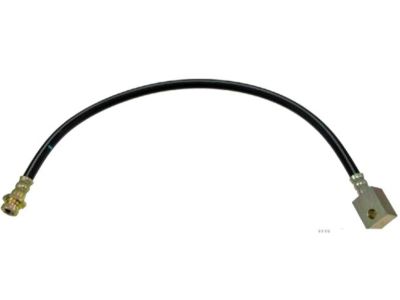
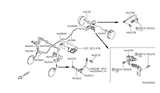
Nissan Xterra Brake Hose Assembly
Part Number: 46210-1Z600$46.00 MSRP: $66.62You Save: $20.62 (31%)Ships in 1-3 Business Days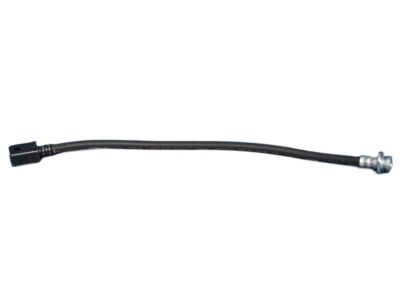
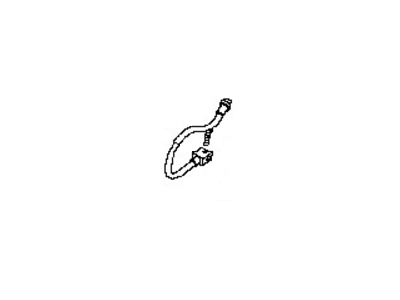
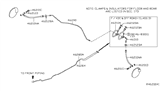
Nissan Xterra Brake Hose
Part Number: 46210-ZL82A$46.84 MSRP: $67.83You Save: $20.99 (31%)Ships in 1-3 Business Days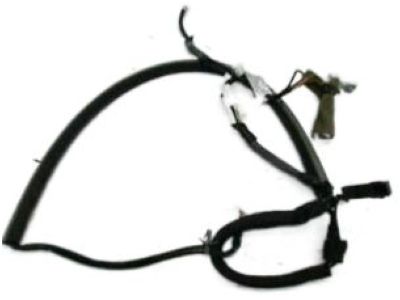
Nissan Xterra Brake Front Passenger Side Tube Assembly
Part Number: 46240-ZS00A$26.04 MSRP: $37.72You Save: $11.68 (31%)Ships in 1-3 Business Days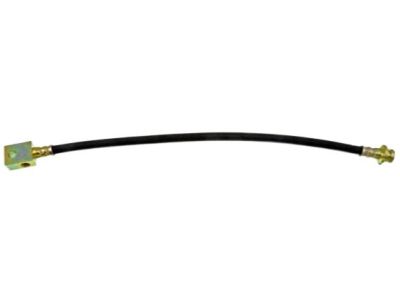
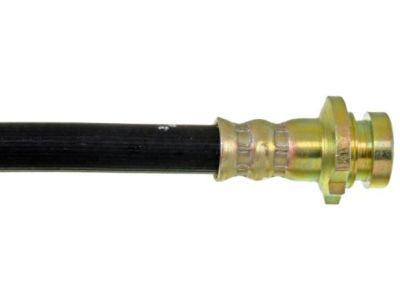
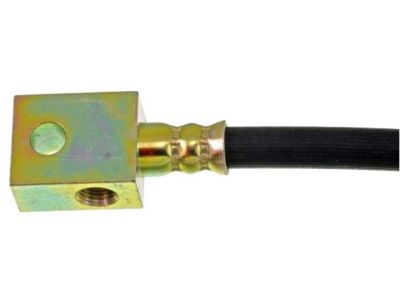
Nissan Xterra Brake Hose Assembly
Part Number: 46210-EA300$46.84 MSRP: $67.83You Save: $20.99 (31%)Ships in 1-3 Business Days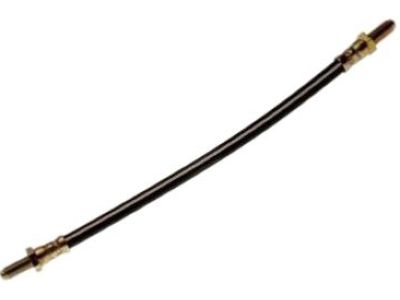
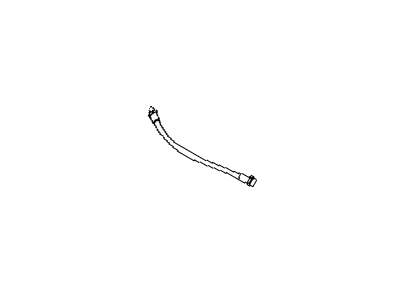
Nissan Xterra Brake Hose Assembly
Part Number: 46210-EA200$49.07 MSRP: $71.06You Save: $21.99 (31%)Ships in 1-2 Business DaysNissan Xterra Brake Front Right Tube Assembly
Part Number: 46240-EA00A$25.03 MSRP: $36.25You Save: $11.22 (31%)Ships in 1-3 Business DaysNissan Xterra Flex Hose
Part Number: 46210-ZL81A$49.07 MSRP: $71.06You Save: $21.99 (31%)Ships in 1-3 Business Days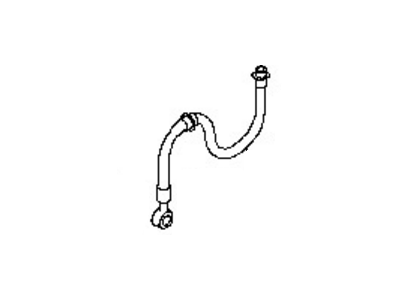
Nissan Xterra Flex Hose
Part Number: 46211-8B500$40.94 MSRP: $56.40You Save: $15.46 (28%)Ships in 1-2 Business Days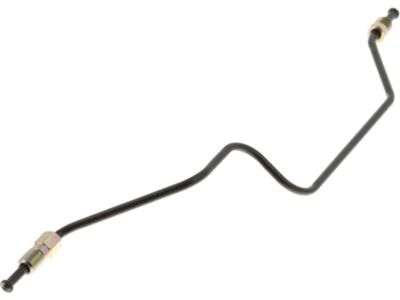
| Page 1 of 2 |Next >
1-20 of 34 Results
Nissan Xterra Brake Line
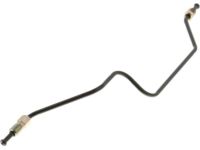
The Nissan Xterra Brake Line is one of the vital system in the vehicle that transfer brake fluid from the master cylinder to the brake caliper pistons for proper working of the hydraulic braking system. Brake line is made from metal hence it is vulnerable to corrosion and impact forces that result in the leakage of the fluid and a resulting loss of pressure. Flex-lines however can also be damaged both externally and internally leading to poor brake performance. If replacement is required, get pre-bent brake line kits and direct replacement brake hoses which provide corrosion and good fitting to complete the job. Changing the brake hoses from the standard flexible rubber ones to steel braid hoses results in firmer and more sensitive brake pedal on performance driving.
If you need any OEM Nissan Xterra Brake Line, feel free to choose them out of our huge selection of genuine Nissan Xterra Brake Line. All our parts are offered at unbeatable prices and are supported by the manufacturer's warranty. In addition, we offer quick shipping to have your parts delivered to your door step in a matter of days.
Nissan Xterra Brake Line Parts Questions & Experts Answers
- Q:How to inspect, replace, and install flexible brake hoses and Brake Line on the Nissan Xterra?Posted by Carleton K.A:To maintain good brake function, look for wear or leaks in the rubber hoses connecting brake assemblies to steel brake lines by raising the car using jackstands about every 6 months. If any hose shows these conditions, replace it. First, remove the wheel from the truck using an open-end wrench. Then raise the vehicle with a jack, keeping it stable while you do your work. Use the flare-nut wrench to loosen the brake line fitting from the hose at the bracket, then hold the hose end with a wrench. Lift the hose end through a hollow U-clip after removing it from a female fitting in the bracket. When you reach the caliper end, erase the bolt that draws the hose inlet to it, disconnecting the hose from the caliper, and reinstall the two copper sealing washers. Insert the inlet fitting bolt onto the caliper and add new sealing washers, tightening it to the correct torque. Place the hose in the frame bracket without kinks, join the brake fitting onto it, put the U-clip back on, and secure the fitting tightly. Following those steps, press the brake pedal until only air comes out of the caliper, put the wheel back on, lower the vehicle, and finally tighten all the lug nuts according to the specified torque. Before starting, raise your vehicle and put it on jack stands, blocking the front wheels. Loosen and detach the brake line fitting from the hose at the chassis bracket with a flare-nut wrench. Remove the U-clip, and feed the hose through. Loosen and remove two brake line fittings from the axle housing and bolt that holds the fitting block to the axle. Disconnect and take out the brake lines. To install the brake system, follow these steps in reverse: bleed both rear brakes as you return everything back into place. Always get the right brake line replacement parts, and never use copper instead of steel. To fix your brake lines, get them from a shop or store that sells auto parts, and use ready-made lines with threaded ends that you shape with your hands. Put the new line in place and make sure it won't move when the suspension moves or when engine heat builds up nearby. Before you can drive, refill the master cylinder, depressurize the brake system, and make sure the brakes work correctly.Answered by Nissan Parts Specialist Eliot / Jul 21, 2024
Related Nissan Xterra Parts
 Nissan Xterra Wheel Seal
 Nissan Xterra Parking Brake Cable
 Nissan Xterra ABS Control Module
 Nissan Xterra Speed Sensor
 Nissan Xterra Brake Disc
 Nissan Xterra Brake Pad Set
 Nissan Xterra Brake Shoe Set
 Nissan Xterra Brake Drum
 Nissan Xterra Brake Booster
 Nissan Xterra Brake Caliper
 Nissan Xterra Brake Master Cylinder