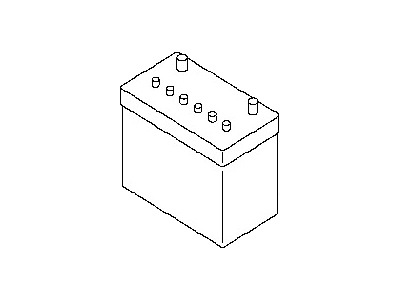
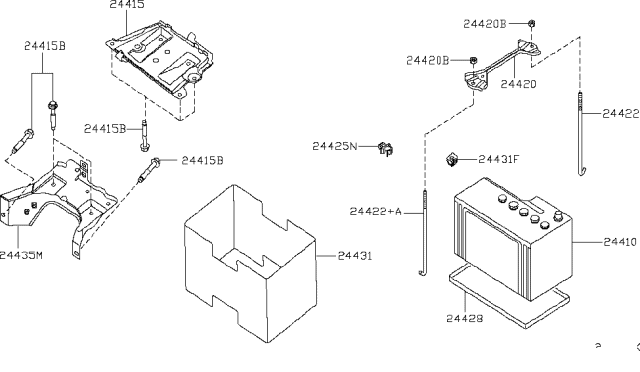
While disconnecting the battery of the vehicle before doing maintenance, it is important to be aware that some systems require continuous battery power to function without interruption such as alarm systems, power door locks and control unit memory for things like radio station presets and Powertrain Control Module (PCM). Removing the battery disrupts the flow of power to these systems. To avoid any issues, when working on a vehicle with power door locks, do not forget to take the key or keyless entry fob out so as not to mistakenly lock your car when you are connecting the battery back. In order to solve this problem, memory savers devices which are usually plugged into lighters and connected to a spare battery can be used instead in order to help maintain supply of electricity for critical systems like audio unit security codes and PCM memory as well as always-hot circuits such as clock and radio-memory circuit. First install a memory saver device when disconnecting the battery; afterwards proceed with loosening the cable end bolt then disconnecting the cable from negative battery terminal making sure that cable end is isolated to prevent inadvertent contact with battery terminal. When you reconnect a car's accumulator start by connecting positive accumulative wire (if it has been disconnected earlier) then connect negative wire. After connecting a car's accumulator go through different re-learn processes including accelerator pedal released position learning, throttle valve closed position learning, idle air volume learning, power window initialization and anti-pinch feature check, sunroof initialization and anti-pinch feature check. These services are necessary for restoring normal operation of an automobile unless a memory saver was employed during blackout.