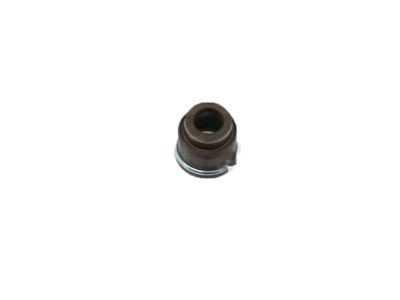
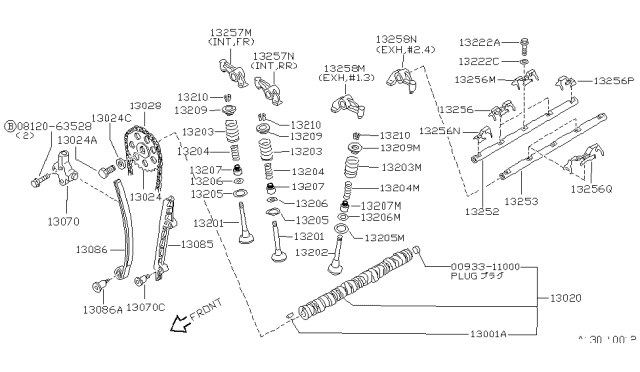
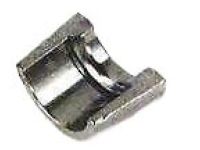
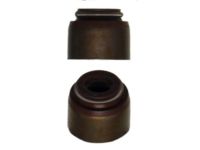
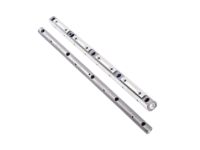
Essentially worn out valve springs and faulty valve stem seal can be repaired without removing the cylinder heads,usually this involves the usage of two tools and a compressed air. Initiation requires the preliminary step of the removal of the valve cover or several covers and the rocker arm along with the lifters' guide assembly. OPOP the spark plug out of the affected cylinder, if the entire set of valve stem seals is to be replaced, then pop out all the spark plugs. Let the crankshaft come to a position where the piston of the affected cylinder is on the Top Dead Centre. If changing all valve stem seals, begin with cylinder # 1 and work from that cylinder to number 2 and so on, always following the firing order. Feed a long adapter into the spark plug hole and attach the other end of the air hose to the present compressed air source. As much as the spark plug tubes are relatively long, the long spark plug adapter, which accompanies a hose attachment, is required. Press the air to the cylinder and push the shop rags in the cylinder head holes around the valves so that small parts and tools will not fall in the engine. Apply lubrication on the thread of the valve stem and then remove it using the valve spring compressor; you need to compress the spring so that you can remove the valves stem locks. The valves should seat by air pressure; if they cannot, the cylinder head may have to be removed for a valve grind. Drop the spring retainer, the shield, and the valve spring and then, pull out the valve stem seal. Twirl the rubber band or the tape over the top of the valve stem so that it will not drop to the combustion chamber then deflate it. Check and look at the valve stem for any signs of wear; it should turn with ease in the guide without getting stuck. Apply pressure on the end of pipe to keep the valve closed, then, undo the tape or rubber band. Using engine oil, grease the valve stems and replace the valve stem seals for the intake and the exhaust but do not mix them. Place the inner and outer springs over the valve with the tightly coiled spring towards the head of the cylinder, next is the valve spring retainer. Compact the valve springs and put the valve stem locks in the groove, and than apply little amount of grease for the locks to stay fixed. Pull out the spring tool and make certain the valve stem lock shoulder is in place. Remove the air hose coupling and take out the spark plug adapter from SP hole then replace the lifter assembly and the rocker arm assembly, and the valve cover. Last of all, put the spark plug(s) back and connect the wire(s), cranking the engine and looking for oil drops or any abnormal noises at the vicinity of the valve cover.