×
- Hello
- Login or Register
- Quick Links
- Live Chat
- Track Order
- Parts Availability
- RMA
- Help Center
- Contact Us
- Shop for
- Nissan Parts
- Nissan Accessories

My Garage
My Account
Cart
Genuine Nissan Valve Stem Oil Seal
Engine Valve Seal- Select Vehicle by Model
- Select Vehicle by VIN
Select Vehicle by Model
orMake
Model
Year
Select Vehicle by VIN
For the most accurate results, select vehicle by your VIN (Vehicle Identification Number).
40 Valve Stem Oil Seals found
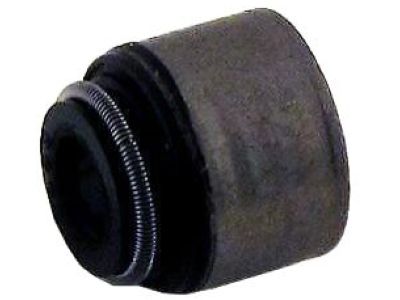
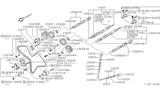
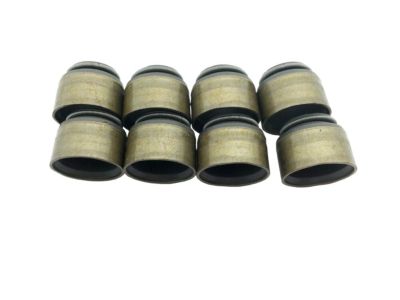
Nissan Valve Seals
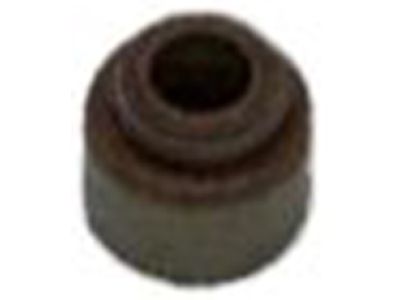
Part Number: 13207-84A00$7.53 MSRP: $10.39You Save: $2.86 (28%)Ships in 1-2 Business DaysProduct Specifications- Other Name: Seal-Oil, Valve; Valve Seals
- Replaces: 13207-D4201, 13207-D4200
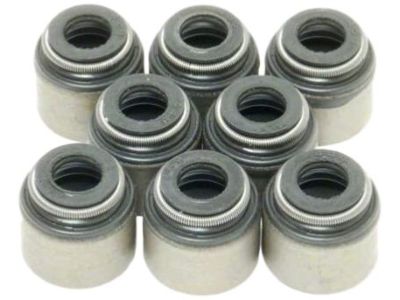
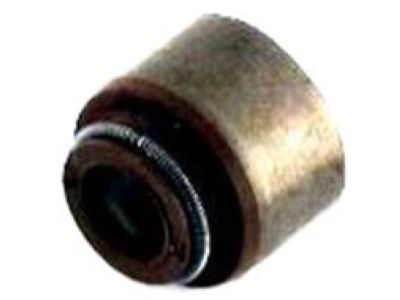
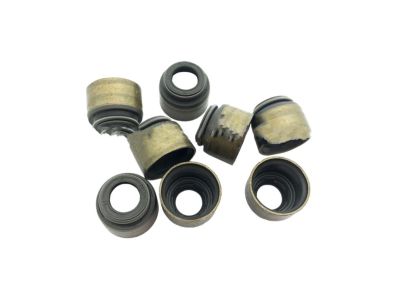
Nissan Intake Valve Seals
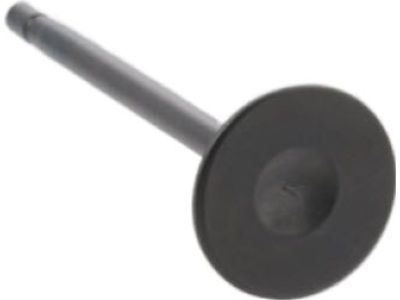
Part Number: 13207-2B500$5.58 MSRP: $7.88You Save: $2.30 (30%)Ships in 1-2 Business DaysProduct Specifications- Other Name: Seal-Oil, Valve; Intake Valve Seals, Valve Seals
- Replaces: 13207-53F00, 13207-D0100, 13207-D0111
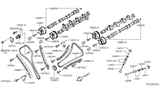
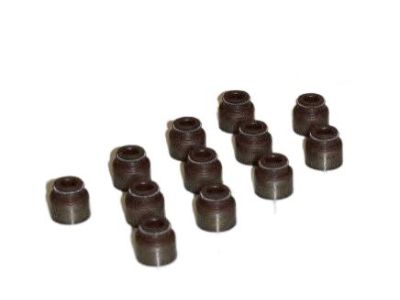
Nissan Valve Seals
Part Number: 13207-3Z00A$6.25 MSRP: $8.62You Save: $2.37 (28%)Ships in 1-3 Business DaysProduct Specifications- Other Name: Seal - Oil, Valve; Valve Seals
- Manufacturer Note: NOK
- Replaces: 13207-3Z000
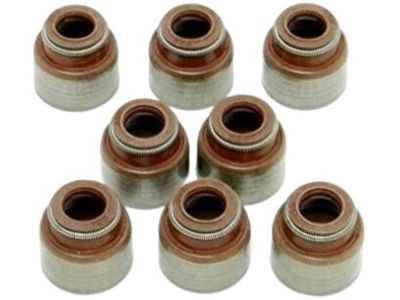
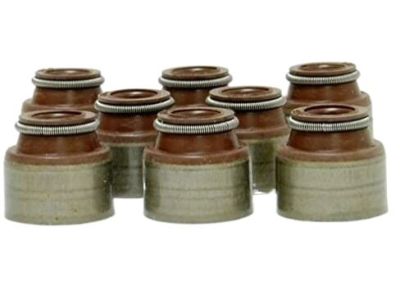
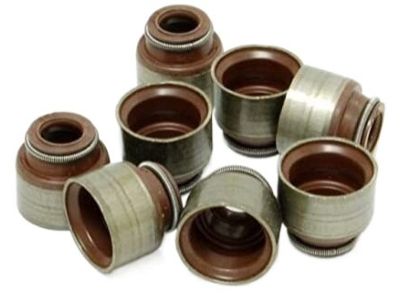
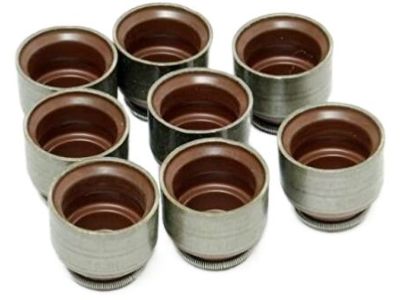
 Product Specifications
- Other Name: Seal - Oil, Valve
- Replaced by: 13207-2B500


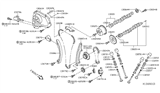
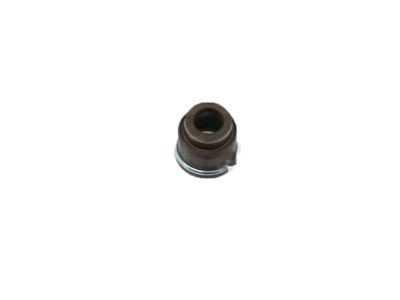
Nissan Oil Valve Seal
Part Number: 13207-3Z000$6.25 MSRP: $8.62You Save: $2.37 (28%)Ships in 1-3 Business DaysProduct Specifications- Other Name: Seal - Oil, Valve
- Manufacturer Note: NOK
- Replaced by: 13207-3Z00A
Nissan Exhaust Valve Seals
Part Number: 13207-81W00$7.42 MSRP: $10.23You Save: $2.81 (28%)Ships in 1-2 Business DaysProduct Specifications- Other Name: Seal - Oil, Valve; Exhaust Valve Seals, Valve Seals
- Manufacturer Note: F/EXHAUST
- Replaces: 13207-42L00, 13207-21002
Nissan Valve Seals
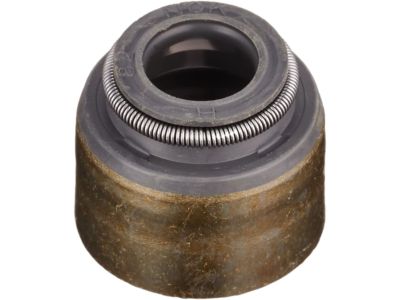
Part Number: 13207-40F00$7.11 MSRP: $9.80You Save: $2.69 (28%)Ships in 1-3 Business DaysProduct Specifications- Other Name: Seal-Oil, Valve; Valve Seals
Nissan Oil Valve Seal
Part Number: 13207-53F00$5.58 MSRP: $7.88You Save: $2.30 (30%)Ships in 1-2 Business DaysProduct Specifications- Other Name: Seal - Oil, Valve
- Replaced by: 13207-2B500
Nissan Oil Valve Seal
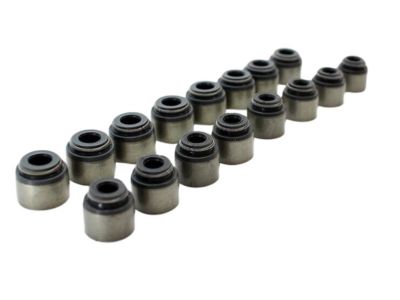
Part Number: 13207-D4201$7.35 MSRP: $10.39You Save: $3.04 (30%)Ships in 1-2 Business DaysProduct Specifications- Other Name: Seal - Oil, Valve
- Replaced by: 13207-84A00
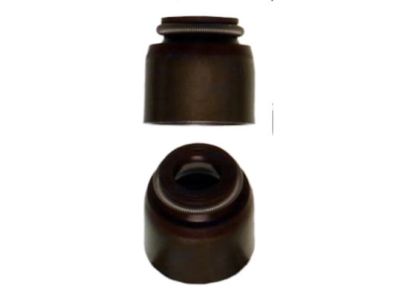
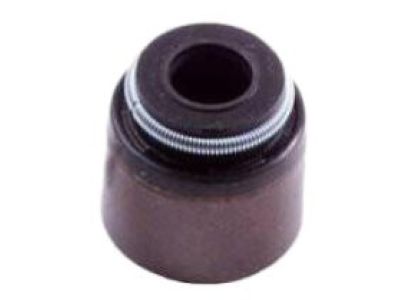
Nissan Valve Seals
Part Number: 13207-53Y00$7.48 MSRP: $10.32You Save: $2.84 (28%)Ships in 1-3 Business DaysProduct Specifications- Other Name: Seal - Oil, Valve; Valve Seals
- Replaces: 13207-53Y10, 13207-EN20A
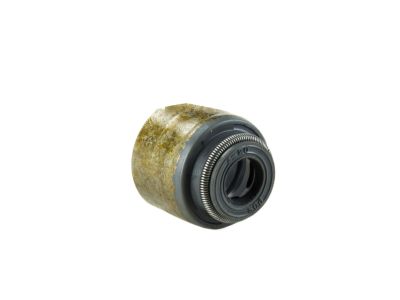
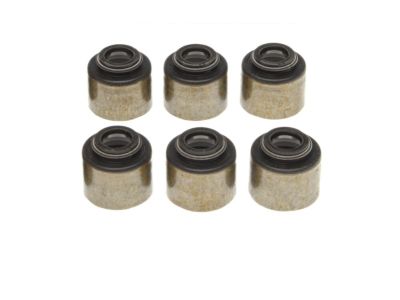
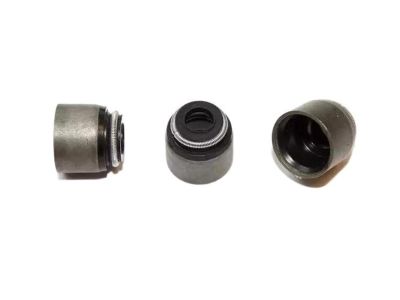
Nissan Valve Seals
Part Number: 13207-00Q0A$3.12 MSRP: $4.31You Save: $1.19 (28%)Ships in 1-2 Business DaysProduct Specifications- Other Name: Seal-Oil, Valve; Valve Seals
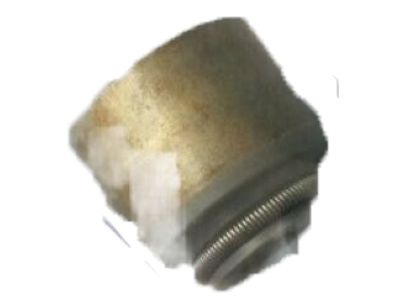
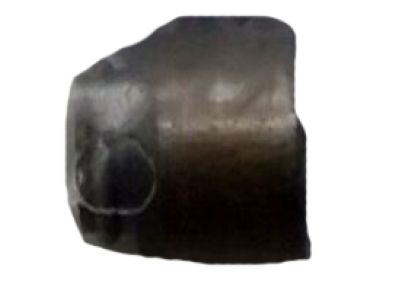
Nissan Valve Seals
Part Number: 13207-ET000$5.09 MSRP: $7.01You Save: $1.92 (28%)Ships in 1-3 Business DaysProduct Specifications- Other Name: Seal-Oil, Valve; Valve Seals
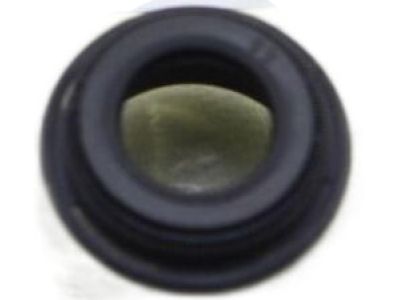
Nissan Oil Valve Seal
Part Number: 13207-42L00$7.42 MSRP: $10.23You Save: $2.81 (28%)Ships in 1-3 Business DaysProduct Specifications- Other Name: Seal - Oil, Valve
- Replaced by: 13207-81W00
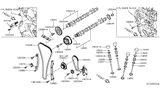
Nissan Valve Seals
Part Number: 13207-ET00A$6.35 MSRP: $8.75You Save: $2.40 (28%)Ships in 1-3 Business DaysProduct Specifications- Other Name: Seal-Oil, Valve; Valve Seals
Nissan Valve Seals
Part Number: 13207-CJ40A$5.74 MSRP: $7.92Limited AvailabilityYou Save: $2.18 (28%)Product Specifications- Other Name: Seal-Oil, Valve; Valve Seals
- Manufacturer Note: SEAL-OIL,VALVE (INT)
Nissan Valve Seals
Part Number: 13207-EZ40A$4.53 MSRP: $6.25You Save: $1.72 (28%)Ships in 1-3 Business DaysProduct Specifications- Other Name: Seal - Oil, Valve; Valve Seals
Nissan Valve Seals
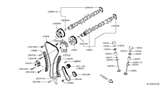
Part Number: 13207-5WK0A$8.60 MSRP: $11.85You Save: $3.25 (28%)Ships in 1-3 Business DaysProduct Specifications- Other Name: Seal - Oil, Valve; Valve Seals
- Manufacturer Note: SEAL-OIL,VALVE (EXH)
Nissan Valve Seals
Part Number: 13207-ED000$4.98 MSRP: $6.87You Save: $1.89 (28%)Ships in 1-3 Business DaysProduct Specifications- Other Name: Seal - Oil, Valve; Valve Seals
Nissan Valve Seals
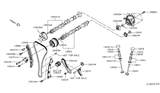
Part Number: 13207-5NA0C$5.79 MSRP: $7.99You Save: $2.20 (28%)Ships in 1-3 Business DaysProduct Specifications- Other Name: Seal-Oil, Valve; Valve Seals
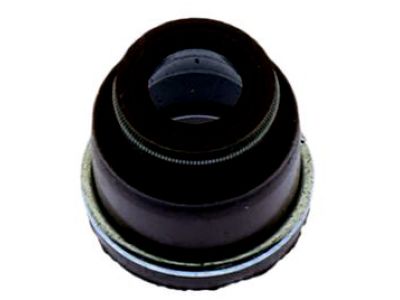 Product Specifications
- Other Name: Exhaust Valve Seals, Valve Seals
- Manufacturer Note: MAKE USA
| Page 1 of 2 |Next >
1-20 of 40 Results
Nissan Valve Stem Oil Seal Parts Questions & Experts Answers
- Q:How can broken valve springs and defective valve stem oil seals be replaced without removing the cylinder heads on V6 Nissan Altima?Posted by Leesha M.A:Broken valve springs and defective valve stem seals can be replaced without removing the cylinder heads, typically requiring two special tools and a compressed air source. To begin, remove the intake manifold collector and the valve cover(s), followed by the timing chain and the camshafts and lifters from both cylinder heads. Next, remove the spark plugs and turn the crankshaft until the piston in the affected cylinder is at Top Dead Center. If replacing all valve stem seals, start with cylinder number one and work through the firing order, turning the crankshaft 120 degrees to bring the next cylinder to TDC. Thread a long adapter into the spark plug hole and connect an air hose from a compressed air source, ensuring the use of a long spark plug adapter with a hose attached. Apply compressed air to the cylinder, then stuff shop rags into the cylinder head holes around the valves to prevent parts and tools from falling into the engine. Use a valve spring compressor to compress the spring and remove the valve stem locks. The valves should be held in place by air pressure; if they cannot hold air, the cylinder head should be removed for a valve job. Remove the spring retainer and valve spring, then the valve stem seal. Wrap a rubber band or tape around the top of the valve stem to prevent it from falling into the combustion chamber, then release the air pressure. Inspect the valve stem for damage, ensuring it rotates freely in the guide without binding. Reapply air pressure to retain the valve in the closed position, then remove the tape or rubber band. Lubricate the valve stems with engine oil and install the new valve stem seals, using a special tool or a deep socket and hammer to seat them. Install the valve spring over the valve with the more closely-wound coils and paint mark toward the cylinder head, followed by the valve spring retainer. Compress the valve springs and carefully position the valve stem locks in the groove, applying a small dab of grease to hold them in place. Remove the force from the spring tool and ensure the valve stem locks are seated, then disconnect the air hose and remove the adapter from the spark plug hole. After replacing all seals, position the crankshaft at TDC, then install the camshafts and lifters, followed by the timing chain. Finally, install the valve covers, spark plugs, ignition coils, and the intake manifold collector, then start the engine and check for oil leaks and unusual sounds from the valve cover area.Answered by Nissan Parts Specialist Jim / Mar 19, 2025
- Q:How can broken valve springs and defective valve stem oil seals be replaced without removing the cylinder heads on Nissan Maxima with SOHC engine?Posted by Aljay G.A:Essentially worn out valve springs and faulty valve stem seal can be repaired without removing the cylinder heads,usually this involves the usage of two tools and a compressed air. Initiation requires the preliminary step of the removal of the valve cover or several covers and the rocker arm along with the lifters' guide assembly. OPOP the spark plug out of the affected cylinder, if the entire set of valve stem seals is to be replaced, then pop out all the spark plugs. Let the crankshaft come to a position where the piston of the affected cylinder is on the Top Dead Centre. If changing all valve stem seals, begin with cylinder # 1 and work from that cylinder to number 2 and so on, always following the firing order. Feed a long adapter into the spark plug hole and attach the other end of the air hose to the present compressed air source. As much as the spark plug tubes are relatively long, the long spark plug adapter, which accompanies a hose attachment, is required. Press the air to the cylinder and push the shop rags in the cylinder head holes around the valves so that small parts and tools will not fall in the engine. Apply lubrication on the thread of the valve stem and then remove it using the valve spring compressor; you need to compress the spring so that you can remove the valves stem locks. The valves should seat by air pressure; if they cannot, the cylinder head may have to be removed for a valve grind. Drop the spring retainer, the shield, and the valve spring and then, pull out the valve stem seal. Twirl the rubber band or the tape over the top of the valve stem so that it will not drop to the combustion chamber then deflate it. Check and look at the valve stem for any signs of wear; it should turn with ease in the guide without getting stuck. Apply pressure on the end of pipe to keep the valve closed, then, undo the tape or rubber band. Using engine oil, grease the valve stems and replace the valve stem seals for the intake and the exhaust but do not mix them. Place the inner and outer springs over the valve with the tightly coiled spring towards the head of the cylinder, next is the valve spring retainer. Compact the valve springs and put the valve stem locks in the groove, and than apply little amount of grease for the locks to stay fixed. Pull out the spring tool and make certain the valve stem lock shoulder is in place. Remove the air hose coupling and take out the spark plug adapter from SP hole then replace the lifter assembly and the rocker arm assembly, and the valve cover. Last of all, put the spark plug(s) back and connect the wire(s), cranking the engine and looking for oil drops or any abnormal noises at the vicinity of the valve cover.Answered by Nissan Parts Specialist Brian / Jul 25, 2025
Related Nissan Parts
 Nissan Fuel Pump
 Nissan Fuel Filter
 Nissan Fuel Pressure Regulator
 Nissan Fuel Pressure Sensor
 Nissan Fuel Filler Neck
 Nissan Fuel Level Sensor
 Nissan Fuel Injector O-Ring
 Nissan Fuel Door Hinge
 Nissan Fuel Filler Hose
 Nissan Fuel Line Clamps
Browse by Model
200SX Valve Stem Oil Seal 240SX Valve Stem Oil Seal 280ZX Valve Stem Oil Seal 300ZX Valve Stem Oil Seal 350Z Valve Stem Oil Seal 370Z Valve Stem Oil Seal 720 Pickup Valve Stem Oil Seal Altima Valve Stem Oil Seal Armada Valve Stem Oil Seal Axxess Valve Stem Oil Seal Cube Valve Stem Oil Seal Datsun 310 Valve Stem Oil Seal Datsun 810 Valve Stem Oil Seal Frontier Valve Stem Oil Seal GT-R Valve Stem Oil Seal Hardbody Pickup (D21) Valve Stem Oil Seal Hardbody Pickup (D21U) Valve Stem Oil Seal Juke Valve Stem Oil Seal Kicks Valve Stem Oil Seal Maxima Valve Stem Oil Seal Murano Valve Stem Oil Seal NV Valve Stem Oil Seal Pathfinder Valve Stem Oil Seal Pulsar NX Valve Stem Oil Seal Quest Valve Stem Oil Seal Rogue Sport Valve Stem Oil Seal Rogue Valve Stem Oil Seal Sentra Valve Stem Oil Seal Stanza Valve Stem Oil Seal Titan Valve Stem Oil Seal Van Valve Stem Oil Seal Versa Note Valve Stem Oil Seal Versa Valve Stem Oil Seal Xterra Valve Stem Oil Seal Z Valve Stem Oil Seal