×
- Hello
- Login or Register
- Quick Links
- Live Chat
- Track Order
- Parts Availability
- RMA
- Help Center
- Contact Us
- Shop for
- Nissan Parts
- Nissan Accessories

My Garage
My Account
Cart
Genuine 2015 Nissan Juke Oil Pan
Oil Drain Pan- Select Vehicle by Model
- Select Vehicle by VIN
Select Vehicle by Model
orMake
Model
Year
Select Vehicle by VIN
For the most accurate results, select vehicle by your VIN (Vehicle Identification Number).
9 Oil Pans found
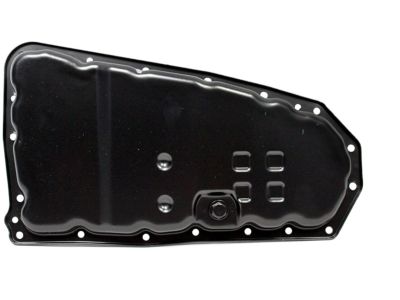
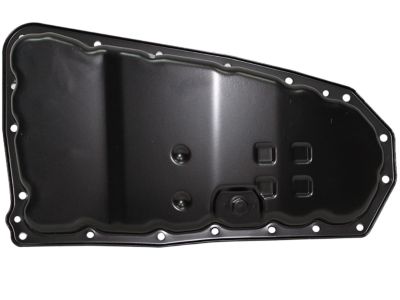
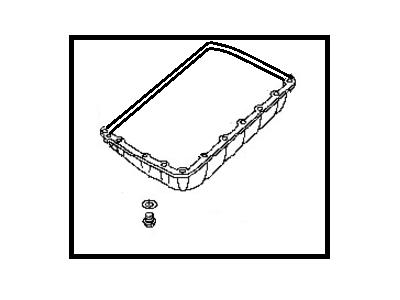
2015 Nissan Juke Transmission Pan
Part Number: 31390-1XF01$75.65 MSRP: $106.85You Save: $31.20 (30%)Ships in 1-3 Business DaysProduct Specifications- Other Name: Pan Assembly - Oil; Transmission Pan
- Lookup Code: 31390
- Item Weight: 3.00 Pounds
- Item Dimensions: 18.0 x 12.6 x 4.2 inches
- Condition: New
- Fitment Type: Direct Replacement
- SKU: 31390-1XF01
- Warranty: This genuine part is guaranteed by Nissan's factory warranty.
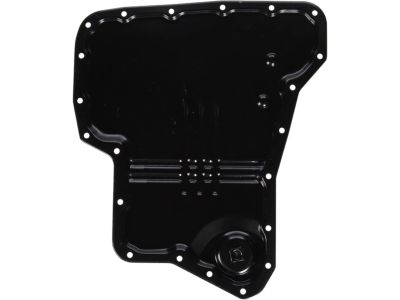
2015 Nissan Juke Transmission Pan
Part Number: 31390-3TX0A$108.35 MSRP: $153.03You Save: $44.68 (30%)Ships in 1-2 Business DaysProduct Specifications- Other Name: Pan Assembly - Oil; Transmission Pan
- Lookup Code: 31390
- Item Weight: 3.20 Pounds
- Item Dimensions: 17.2 x 13.0 x 3.6 inches
- Condition: New
- Fitment Type: Direct Replacement
- SKU: 31390-3TX0A
- Warranty: This genuine part is guaranteed by Nissan's factory warranty.
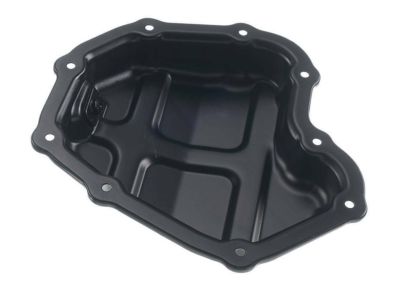
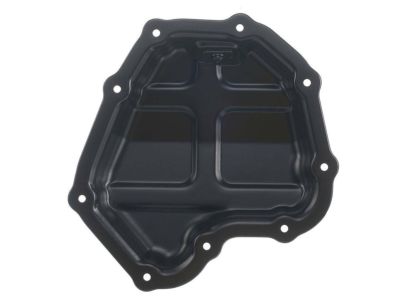
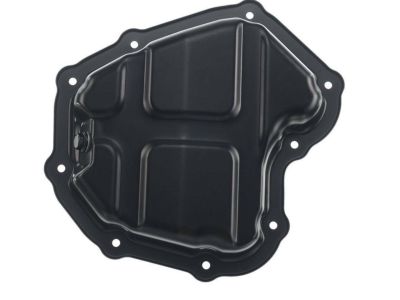
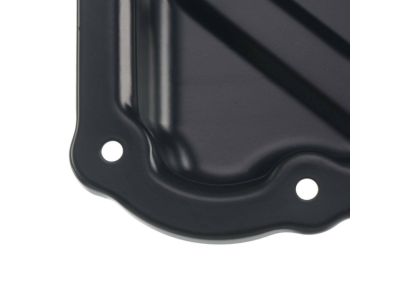
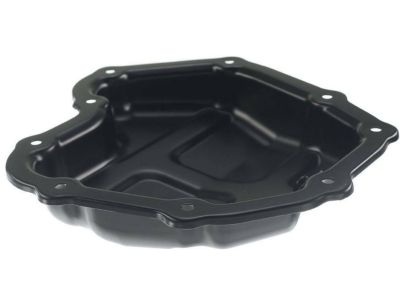
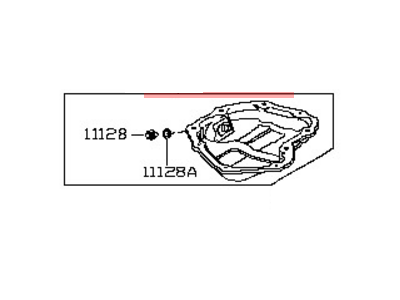
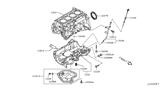
2015 Nissan Juke Lower Oil Pan
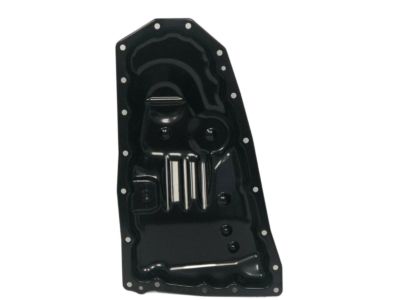
Part Number: 11110-1KC0B$155.36 MSRP: $219.43You Save: $64.07 (30%)Ships in 1-2 Business DaysProduct Specifications- Other Name: Pan Assembly - Oil; Lower Oil Pan, Oil Pan
- Lookup Code: 11110+A
- Item Weight: 1.70 Pounds
- Item Dimensions: 12.0 x 11.2 x 2.3 inches
- Condition: New
- Fitment Type: Direct Replacement
- SKU: 11110-1KC0B
- Warranty: This genuine part is guaranteed by Nissan's factory warranty.
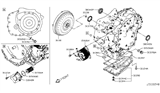
2015 Nissan Juke Transmission Pan
Part Number: 31390-3VX0D$98.80 MSRP: $139.55You Save: $40.75 (30%)Ships in 1-3 Business DaysProduct Specifications- Other Name: Pan Assembly - Oil; Transmission Pan
- Lookup Code: 31390
- Item Weight: 2.60 Pounds
- Item Dimensions: 3.1 x 7.4 x 15.6 inches
- Condition: New
- Fitment Type: Direct Replacement
- SKU: 31390-3VX0D
- Warranty: This genuine part is guaranteed by Nissan's factory warranty.
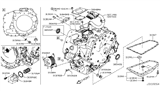
2015 Nissan Juke Oil Pan
Part Number: 31390-3VX0C$98.88 MSRP: $139.67You Save: $40.79 (30%)Ships in 1-3 Business DaysProduct Specifications- Other Name: Pan Assembly - Oil; Oil Pan, Transmission Pan
- Lookup Code: 31390
- Item Weight: 2.50 Pounds
- Item Dimensions: 15.2 x 8.3 x 2.1 inches
- Condition: New
- Fitment Type: Direct Replacement
- SKU: 31390-3VX0C
- Warranty: This genuine part is guaranteed by Nissan's factory warranty.
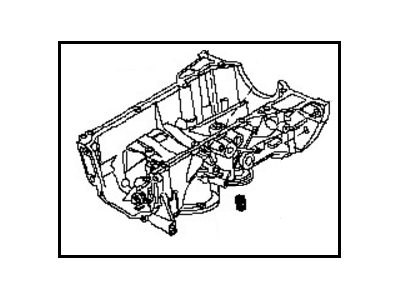
2015 Nissan Juke Upper Oil Pan
Part Number: 11110-BV80A$439.69 MSRP: $621.03You Save: $181.34 (30%)Ships in 1-3 Business DaysProduct Specifications- Other Name: Pan Assembly - Oil; Oil Pan, Upper Oil Pan
- Lookup Code: 11110
- Item Weight: 22.50 Pounds
- Item Dimensions: 18.7 x 16.7 x 8.1 inches
- Condition: New
- Fitment Type: Direct Replacement
- SKU: 11110-BV80A
- Warranty: This genuine part is guaranteed by Nissan's factory warranty.
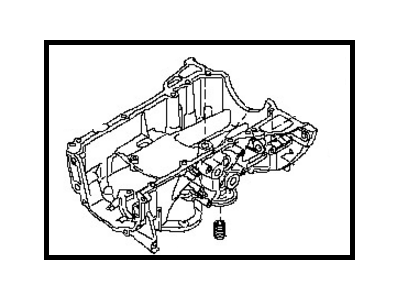
2015 Nissan Juke Upper Oil Pan
Part Number: 11110-1KC1A$203.69 MSRP: $280.57You Save: $76.88 (28%)Ships in 1-2 Business DaysProduct Specifications- Other Name: Pan Assembly - Oil; Oil Pan, Upper Oil Pan
- Lookup Code: 11110
- Item Weight: 22.40 Pounds
- Item Dimensions: 22.4 x 17.7 x 11.0 inches
- Condition: New
- Fitment Type: Direct Replacement
- SKU: 11110-1KC1A
- Warranty: This genuine part is guaranteed by Nissan's factory warranty.
- Product Specifications
- Other Name: Pan Assy-Oil
- Lookup Code: 31390
- Condition: New
- Fitment Type: Direct Replacement
- SKU: 31390-3VX0B
- Warranty: This genuine part is guaranteed by Nissan's factory warranty.
 Product Specifications
- Other Name: Pan Assy-Oil; Oil Pan, Transmission Pan
- Replaces: 31390-28X0C, 31390-28X0A
- Lookup Code: 31390
- Item Weight: 2.50 Pounds
- Item Dimensions: 15.8 x 8.3 x 2.1 inches
- Condition: New
- Fitment Type: Direct Replacement
- SKU: 31390-3VX0A
- Warranty: This genuine part is guaranteed by Nissan's factory warranty.
2015 Nissan Juke Oil Pan
Committed to delivering top-notch quality at affordable prices, our website is your go-to source for OEM 2015 Nissan Juke Oil Pan worldwide. Each of our genuine 2015 Nissan Juke Oil Pan come with a manufacturer's warranty, so rest assured, quality and cost are covered. With us, you're making a smart choice that stands the test of time.
2015 Nissan Juke Oil Pan Parts Questions & Experts Answers
- Q:How to replace the lower steel oil pan in an oil sump on 1.6L petrol 2015 Nissan Juke?Posted by Ashraf D.A:This oil pan has an upper part that is made from alloy and the lower half which is an oil pan made from steel with the proceeding procedure dealing with the lower oil pan. Start by engaging the handbrake, lifting the front part of the vehicle and placing the supporting stands under the axle. Squeeze out the used engine oil, then replace the OE oil drain plug and ensure that a fresh sealing washer is fitted before the bolt is tightened to the required torque. In case the engine is due for its service interval, it becomes wise to also replace the oil filter. Subsequent, gradually undo and take out all the retaining bolts of the steel oil pan. Lower steel oil pan is joined to the upper alloy oil pan through strong liquid gasket sealer, and that could be tight getting off; a spatula or thin knife may be of help while separating the oil pan without straining the mating surfaces. Caution must be taken so that any left over oil is retrieved as the oil pan is pulled out. Before proceeding to refitting, remove all the evidences of the presence of the sealant on the sealing faces of the upper alloy part and the steel oil pan while wiping the inside of the part with a piece of clean cloth. The mating surfaces should be clean and dry and now on the inner edge of each bolt hole on the oil pan apply a continuous bead of suitable sealant. Situate the oil pan in the right manner and reengage its retaining bolts as you tighten them in equal but progressive steps to the correct amount of torque. Once reassembling, add fresh oil into the engine, turn on the engine and let it warm to normal temperature, looking for any signs of leakage from the area of the oil pan.Answered by Nissan Parts Specialist Glenn / Nov 01, 2024
Related 2015 Nissan Juke Parts
 2015 Nissan Juke Drain Plug Washer
 2015 Nissan Juke Oil Filter
 2015 Nissan Juke Dipstick
 2015 Nissan Juke Drain Plug
 2015 Nissan Juke Rod Bearing
 2015 Nissan Juke Oil Pump
 2015 Nissan Juke Oil Pressure Switch
 2015 Nissan Juke Piston Ring Set
 2015 Nissan Juke Oil Cooler
 2015 Nissan Juke Crankshaft Pulley
 2015 Nissan Juke Crankshaft Thrust Washer Set
 2015 Nissan Juke Dipstick Tube