×
- Hello
- Login or Register
- Quick Links
- Live Chat
- Track Order
- Parts Availability
- RMA
- Help Center
- Contact Us
- Shop for
- Nissan Parts
- Nissan Accessories

My Garage
My Account
Cart
Genuine Nissan 300ZX Fuse
Circuit Fuse- Select Vehicle by Model
- Select Vehicle by VIN
Select Vehicle by Model
orMake
Model
Year
Select Vehicle by VIN
For the most accurate results, select vehicle by your VIN (Vehicle Identification Number).
7 Fuses found


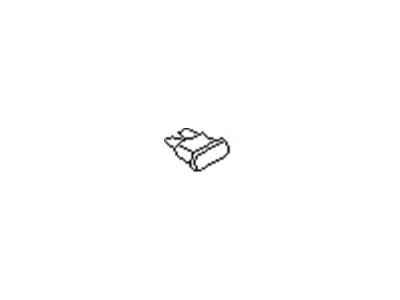


Nissan 300ZX Fuse
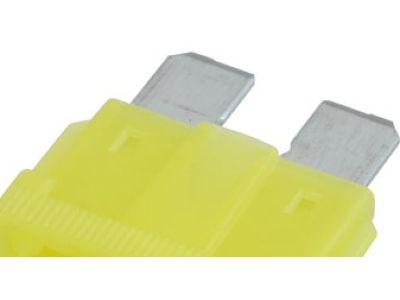
Nissan 300ZX Fuse provides fast circuit protection to enable the legendary sports car to continue running safely and smoothly. This Fuse fits in the 300ZX generation factory relay box and is perfectly fitted, identically sized, colored, and amperage. When electric current flows, the measured metal strip within the Fuse melts in milliseconds, interrupting the current before the wiring or electronic components are damaged. The outcome is demonstrated dependability that upholds headlights, radios, digital gauges, and the VG30 engine controls that are valued by 300ZX enthusiasts. Stable voltage also contributes to fuel economy and maintains the rapid throttle response that made Nissan conquer the sports car market of the time. This Nissan part can be identified and replaced even on the roadside because of a bright housing, clear amp rating, and simple shape of a blade. Status can be checked easily on both contacts with fast test-light checks, and thus a sixteen-year-old owner is capable of diagnosing a blown Fuse without making a fuss. Since every Nissan coupe is dependent on multiple Fuse units, having one in the glove box will save a road trip due to a minor fault. Durability testing demonstrates the element to be resistant to vibration and heat cycling, which is important to long-lived 300ZX examples that continue to be applied spiritedly. It fits turbo and non-turbo models, and the standardized Fuse protects everything from trip computers to the triple shock absorber system. It has been described by many drivers as a silent hero since without it a 300ZX may be deprived of essential functions in a moment. Whether preserving the taillights on a 1984 classic or protecting boost gauges on a 1996 twin-turbo, this reliable Nissan Fuse is a deal that is both safe and efficient and easily installed. This kind of reliable performance solidifies the legend of the 300ZX and makes Nissan's determination to quality engineering.
If you need any OEM Nissan 300ZX Fuse, feel free to choose them out of our huge selection of genuine Nissan 300ZX Fuse. All our parts are offered at unbeatable prices and are supported by the manufacturer's warranty. In addition, we offer quick shipping to have your parts delivered to your door step in a matter of days.
Nissan 300ZX Fuse Parts Questions & Experts Answers
- Q:How are the electrical circuits of a Nissan 300ZX protected, and what steps should be taken to check and replace a blown fuse?Posted by Yuriy A.A:To protect the car circuits there are fuses and fusible links utilized, and the fuse box can be found in the side panel behind the driver's dash kick panel on the right side. The first step is to remove the fuse that is under suspicion of being blown by pulling it out of the panel, then, looking at the curved and metallic part contained in a plastic housing to determine if the element is damaged; if it is, then the fuse is defective and must be replaced. Each of them has reference to the circuit it protects as labelled on the fuse cover, and replacement should be made with the correct fuse since various electrical circuits in a car need different levels of protection depending with the amperage rating necessary for the circuit. Choosing a wrong fuse means that a fuse with a low amperage rating will blow before the circuit is quite through, on the other hand, a fuse with high rating will not blow within time to save the circuit from major damage. Laying metal on a fuse or using foil threatens the electrical system and the entire system will be damaged. If the replacement fuse blows as soon as it is fitted, the fuse should not be replaced until the probable cause of a short circuit, usually by a separated or corroded wire, is isolated.Answered by Nissan Parts Specialist Eliot / Mar 14, 2023