×
- Hello
- Login or Register
- Quick Links
- Live Chat
- Track Order
- Parts Availability
- RMA
- Help Center
- Contact Us
- Shop for
- Nissan Parts
- Nissan Accessories

My Garage
My Account
Cart
Genuine Nissan Frontier Fuel Temperature Sensor
Gas Temperature Sensor- Select Vehicle by Model
- Select Vehicle by VIN
Select Vehicle by Model
orMake
Model
Year
Select Vehicle by VIN
For the most accurate results, select vehicle by your VIN (Vehicle Identification Number).
1 Fuel Temperature Sensor found
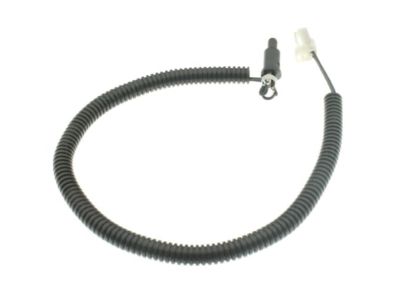
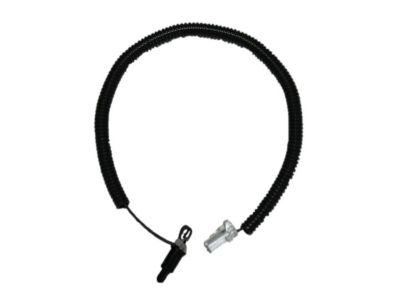
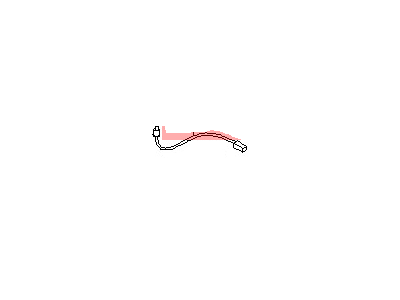
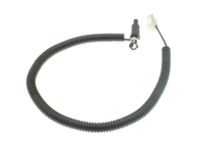
Nissan Frontier Sensor Assembly-Fuel TEMPERATUER
Part Number: 22630-0S320$152.82 MSRP: $215.85You Save: $63.03 (30%)Ships in 1-2 Business Days
Nissan Frontier Fuel Temperature Sensor
The Nissan Frontier Fuel Temperature Sensor is a thermistor that helps the engine computer match injector flow to the temperature of the fuel in order to maintain mileage and emissions. Located within the fuel circuit, the Fuel Temperature Sensor generates a signal when the temperature of the fuel changes. The PCM reads this signal along with air flow, throttle position, and oxygen data. The PCM then lengthens or shortens injector pulse width to ensure the engine receives the correct fuel mixture whether it is cruising, idling, or accelerating. The Fuel Temperature Sensor directs the ECU to inject a richer shot due to the use of warmer fuel that has become thinner and burns faster. In contrast, a shot will be directed by the ECU for colder, denser fuel which will be leaner. This temperature compensation keeps Nissan gasoline engines smooth no matter the climate. Should corrosion, a broken wire, or an internal failure interrupt the signal, the check engine lamp lights up and codes point explicitly to the Fuel Temperature Sensor and drivers soon notice poor economy. Nissan has relied on a single solid state two-wire style Frontier Fuel Temperature Sensor throughout the life of the Frontier line. There are no major design splits other than connector shape that matches each model year; otherwise, the principle stays the same.
If you need any OEM Nissan Frontier Fuel Temperature Sensor, feel free to choose them out of our huge selection of genuine Nissan Frontier Fuel Temperature Sensor. All our parts are offered at unbeatable prices and are supported by the manufacturer's warranty. In addition, we offer quick shipping to have your parts delivered to your door step in a matter of days.
Nissan Frontier Fuel Temperature Sensor Parts Questions & Experts Answers
- Q:What is the purpose of the fuel temperature sensor in Nissan Frontier?Posted by Kelmy F.A:Since 1997, Frontier trucks use a special sensor to measure fuel temperature in their fuel tanks. This sensor measures adjustment in resistance as the fuel's temperature rises. Embedded into the fuel tank below the fuel level sending unit, the sensor sends readings to the PCM for analysis, and when any part of the circuit fails, the PCM instantly logs an error. When you lift the vehicle with your jack, look for the sensor's electrical lock that connects to the fuel level and pump unit. Before you can check the sensor, make sure it's receiving 5.0 volts from the PCM's reference and ground circuits. Disconnect the sensor's electrical connector and measure voltage between the reference and ground terminals with the ignition on, so you know it's working correctly. Look at the wires between the PCM and engine ground, then fix them to get the right voltage. Connect an ohmmeter to the sensor terminals. Normal room temperature resistance should be between 2,300 and 2,700 ohms. Before making your test more exact, fully remove the sensor, place it in hot water, measure resistance, and check sensor readings against the intake air temperature resistance guide. If your fuel temperature sensor's measured resistance isn't within the normal range, you have to replace it. To install the new sensor, take out the fuel level sending unit first. Then pull out the sensor. After fixing the new unit, connect the fuel level sending unit last on reverse order.Answered by Nissan Parts Specialist Anildo / Nov 19, 2024
Related Nissan Frontier Parts
 Nissan Frontier Camshaft Position Sensor
 Nissan Frontier Oxygen Sensor
 Nissan Frontier Crankshaft Position Sensor
 Nissan Frontier Mass Air Flow Sensor
 Nissan Frontier Coolant Temperature Sensor
 Nissan Frontier Knock Sensor
 Nissan Frontier MAP Sensor
 Nissan Frontier Parking Assist Distance Sensor
 Nissan Frontier Fuel Level Sensor
 Nissan Frontier Vehicle Speed Sensor
 Nissan Frontier Throttle Position Sensor