×
- Hello
- Login or Register
- Quick Links
- Live Chat
- Track Order
- Parts Availability
- RMA
- Help Center
- Contact Us
- Shop for
- Nissan Parts
- Nissan Accessories

My Garage
My Account
Cart
Genuine Nissan Maxima Brake Booster
Brake Power Booster- Select Vehicle by Model
- Select Vehicle by VIN
Select Vehicle by Model
orMake
Model
Year
Select Vehicle by VIN
For the most accurate results, select vehicle by your VIN (Vehicle Identification Number).
16 Brake Boosters found
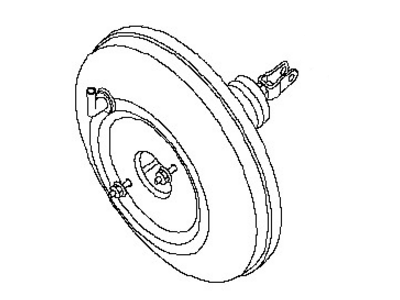
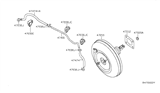
Nissan Maxima Power Booster
Part Number: 47210-3TA0C$150.59 MSRP: $222.98You Save: $72.39 (33%)Ships in 1-3 Business DaysNissan Maxima Power Booster
Part Number: 47210-3TA0A$160.56 MSRP: $237.73You Save: $77.17 (33%)Ships in 1-3 Business Days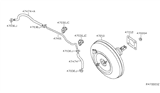
Nissan Maxima Brake Booster Assembly
Part Number: 47210-3TA0B$150.59 MSRP: $222.98You Save: $72.39 (33%)Ships in 1-3 Business Days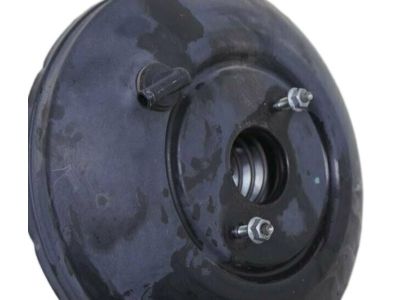
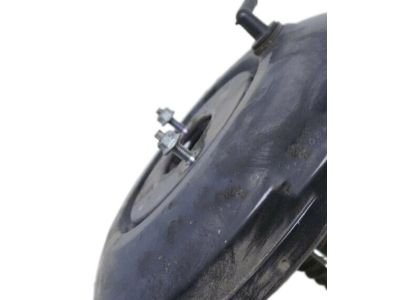
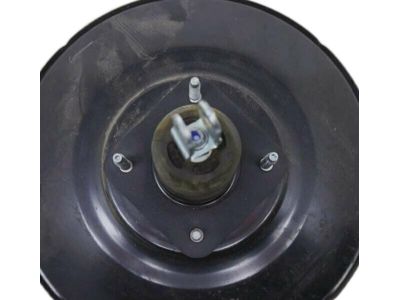
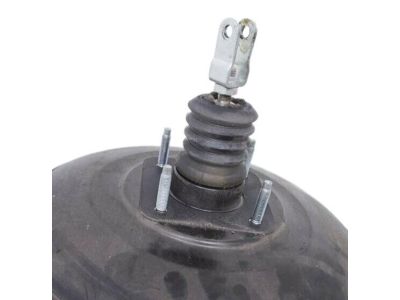
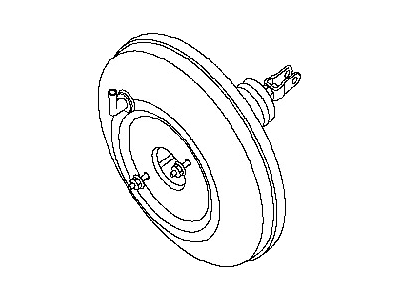
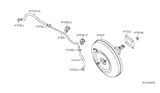
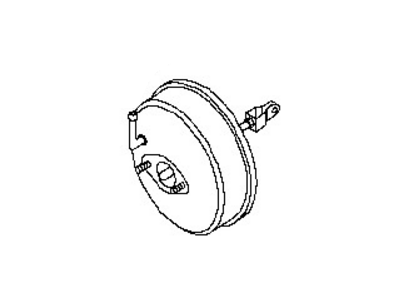
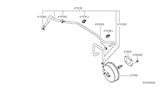
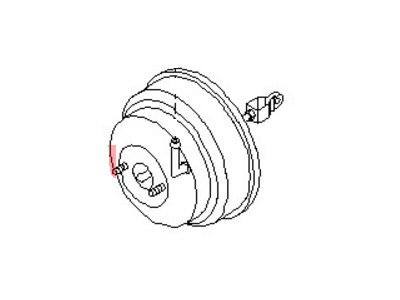
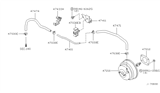
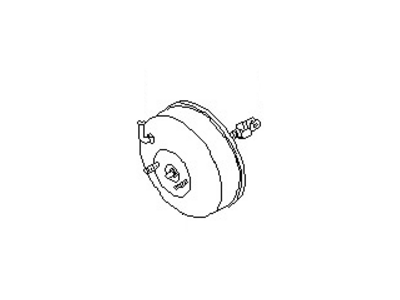
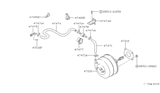
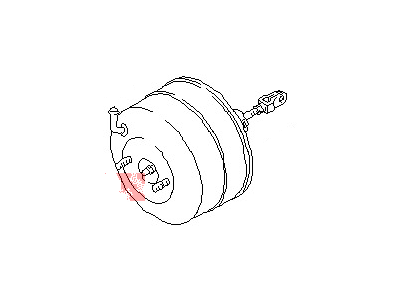
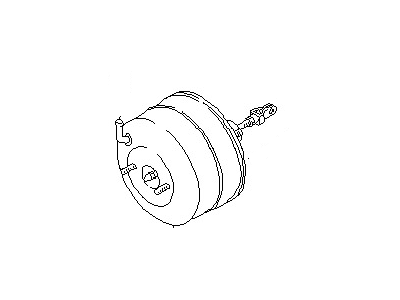
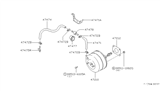
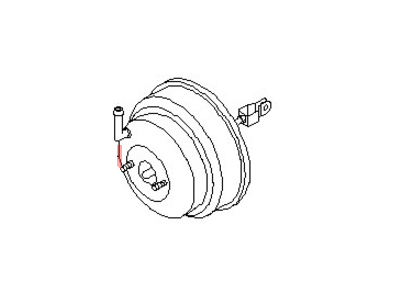
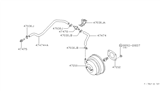
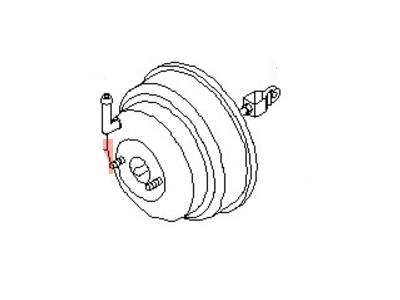
Nissan Maxima Brake Booster
The Nissan Maxima Brake Booster assists the driver by amplifying pedal force before it reaches the master cylinder, so they don't have to apply too much pressure to stop the car. The Brake Booster is located between the brake pedal and the master cylinder. Its two-piece shell is fitted with a flexible diaphragm coupled to a power piston. When the pedal is at rest, engine vacuum fills both chambers, keeping the diaphragm stable. When the driver presses the pedal, the control rod activates an internal valve which allows atmospheric air to be drawn into the rear chamber. The front chamber continues to have a vacuum. Thus, the pressure difference drives the piston forward. A boost is given to the hydraulic pressure, so the driver does not have to exert too much force. While the engine is running, the Nissan Maxima Brake Booster operates. Once the engine stops, stored vacuum permits only a few assisted applications before the Brake Booster assistance fades. In general, the operation of the Brake Booster is reliable and a part that lasts for almost every Nissan Maxima's braking system.
If you need any OEM Nissan Maxima Brake Booster, feel free to choose them out of our huge selection of genuine Nissan Maxima Brake Booster. All our parts are offered at unbeatable prices and are supported by the manufacturer's warranty. In addition, we offer quick shipping to have your parts delivered to your door step in a matter of days.
Nissan Maxima Brake Booster Parts Questions & Experts Answers
- Q:How to check and replace the brake booster on Nissan Maxima?Posted by Elisea S.A:To perform an operating check, depress the Brake Pedal several times with the engine off to ensure there's no change in the pedal reserve distance, then start the engine while depressing the pedal; if it goes down slightly, operation is normal. For an airtightness check, start the engine and turn it off after one or two minutes, then depress the brake pedal slowly several times; if the pedal depresses less each time, the booster is airtight. While the engine is running, depress the brake pedal and stop the engine with the pedal depressed; if there's no change in the pedal reserve travel after holding it for 30 seconds, the booster is airtight. To check the output rod length, remove the master cylinder without disconnecting the lines, apply about 20 in-Hg of vacuum to the brake booster, push in on the output rod with approximately 4-1/2 pounds of force, measure the length of the output rod from the top to the master cylinder mounting surface, and compare it to the specified length; if outside specifications, replace the booster. For replacement, remove the air cleaner and duct if necessary for access, disconnect the vacuum hose from the booster, remove the under-dash panel, locate and detach the pushrod clevis from the brake pedal, remove the clevis pin, and take out the four nuts and washers holding the brake booster to the firewall, then slide the booster straight out. Installation is the reverse of removal, but measure the distance between the power brake booster and the hole in the clevis before installing the assembly; if the measurements differ, adjust the clevis to the specified length before tightening the nut.Answered by Nissan Parts Specialist Javi / May 06, 2022

Related Nissan Maxima Parts
 Nissan Maxima Brake Fluid Pump
 Nissan Maxima Brake Proportioning Valve
 Nissan Maxima Brake Master Cylinder
 Nissan Maxima Brake Fluid Level Sensor
 Nissan Maxima Master Cylinder Repair Kit
Browse by Year
2023 Brake Booster 2022 Brake Booster 2021 Brake Booster 2020 Brake Booster 2019 Brake Booster 2018 Brake Booster 2017 Brake Booster 2016 Brake Booster 2014 Brake Booster 2013 Brake Booster 2012 Brake Booster 2011 Brake Booster 2010 Brake Booster 2009 Brake Booster 2008 Brake Booster 2007 Brake Booster 2006 Brake Booster 2005 Brake Booster 2004 Brake Booster 2003 Brake Booster 2002 Brake Booster 2001 Brake Booster 2000 Brake Booster 1999 Brake Booster 1998 Brake Booster 1997 Brake Booster 1996 Brake Booster 1995 Brake Booster 1994 Brake Booster 1993 Brake Booster 1992 Brake Booster 1991 Brake Booster 1990 Brake Booster 1989 Brake Booster 1988 Brake Booster 1987 Brake Booster 1986 Brake Booster 1985 Brake Booster