×
- Hello
- Login or Register
- Quick Links
- Live Chat
- Track Order
- Parts Availability
- RMA
- Help Center
- Contact Us
- Shop for
- Nissan Parts
- Nissan Accessories

My Garage
My Account
Cart
Genuine Nissan Pathfinder Crankshaft Seal
- Select Vehicle by Model
- Select Vehicle by VIN
Select Vehicle by Model
orMake
Model
Year
Select Vehicle by VIN
For the most accurate results, select vehicle by your VIN (Vehicle Identification Number).
30 Crankshaft Seals found
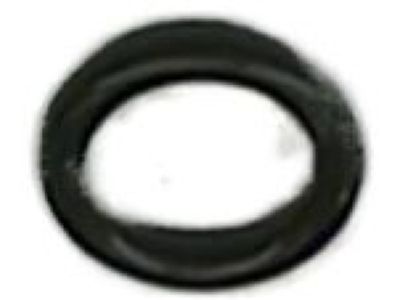
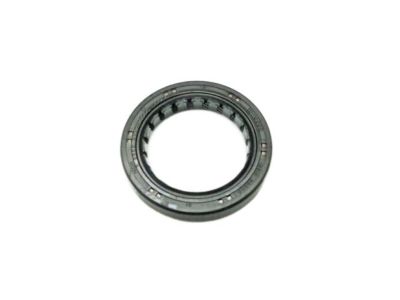
Nissan Pathfinder Oil Seal
Part Number: 15066-6N204$6.75 MSRP: $9.53You Save: $2.78 (30%)Ships in 1-2 Business Days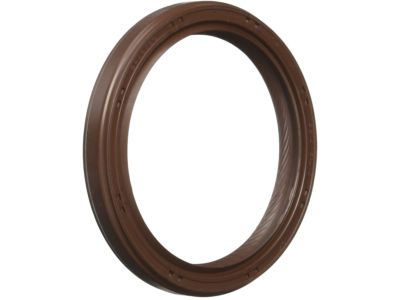
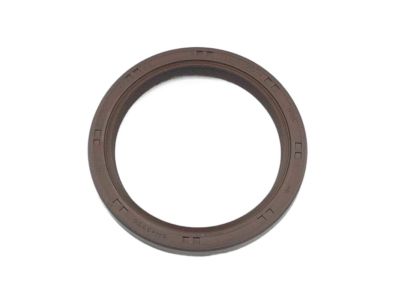
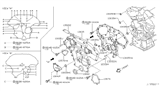
Nissan Pathfinder Engine Crankshaft Seal
Part Number: 13510-31U10$18.31 MSRP: $25.86You Save: $7.55 (30%)Ships in 1-3 Business Days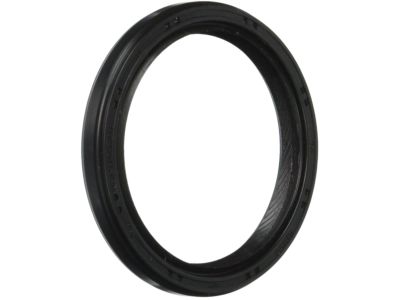
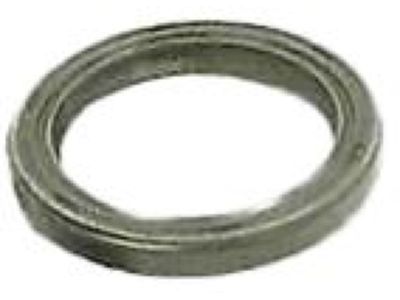
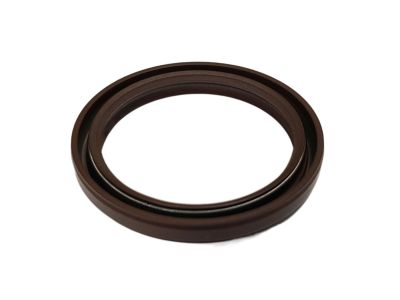
Nissan Pathfinder Front Cover Seal
Part Number: 13510-7Y000$25.74 MSRP: $36.35You Save: $10.61 (30%)Ships in 1-2 Business Days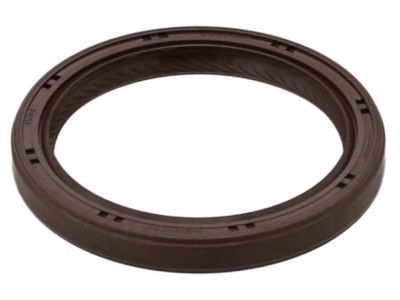
Nissan Pathfinder Front Cover Seal
Part Number: 13510-9HP0A$16.33 MSRP: $22.52You Save: $6.19 (28%)Ships in 1-3 Business Days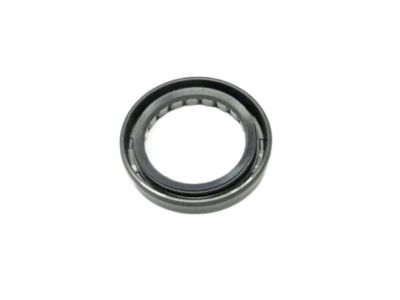
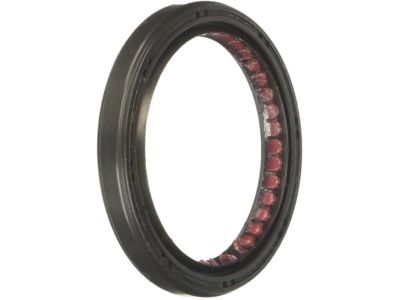
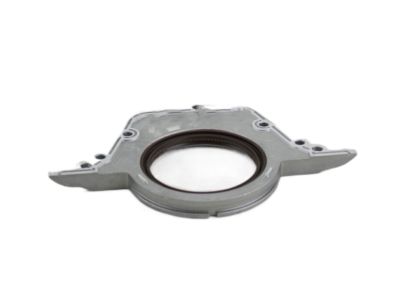
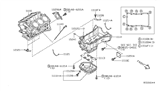
Nissan Pathfinder Rear Main Seal
Part Number: 12296-JA10A$39.69 MSRP: $54.72You Save: $15.03 (28%)Ships in 1-3 Business Days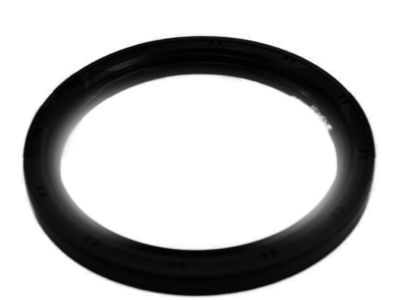
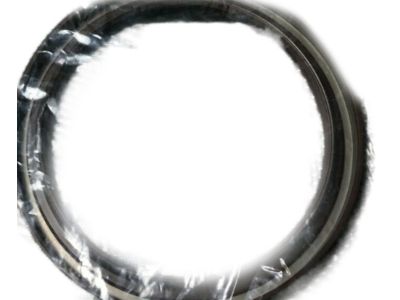
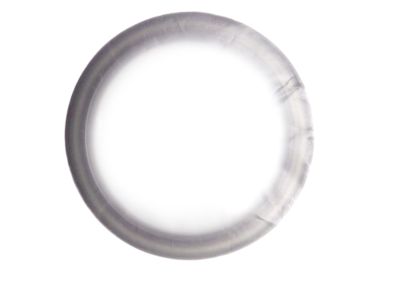
Nissan Pathfinder Rear Main Seal
Part Number: 12279-3TS0A$40.27 MSRP: $58.32You Save: $18.05 (31%)Ships in 1 Business Day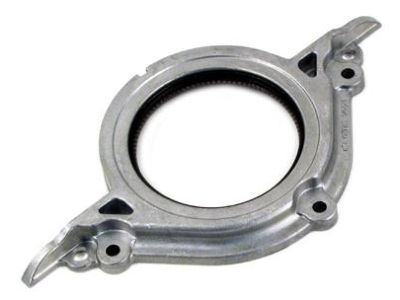
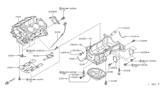
Nissan Pathfinder Rear Main Seal Retainer
Part Number: 12296-31U20$57.38 MSRP: $79.10You Save: $21.72 (28%)Ships in 1-3 Business Days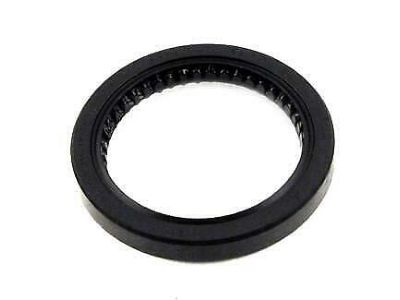
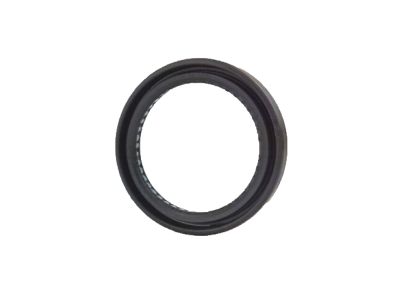
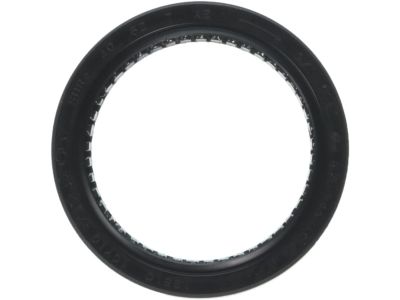
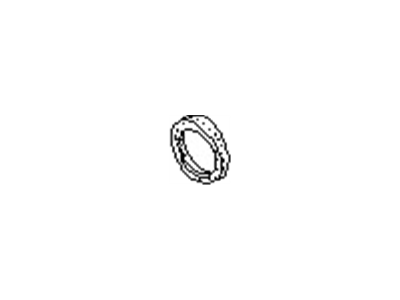
Nissan Pathfinder Oil Crankshaft Front Seal
Part Number: 13510-10Y10$12.71 MSRP: $17.52You Save: $4.81 (28%)Ships in 1-2 Business Days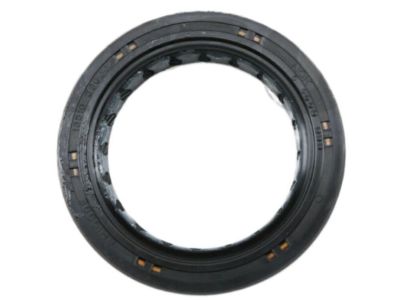
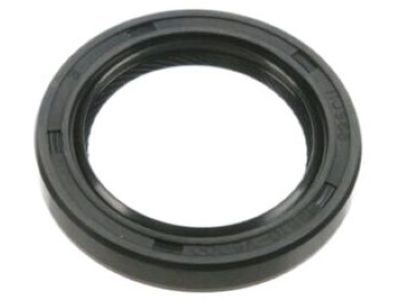
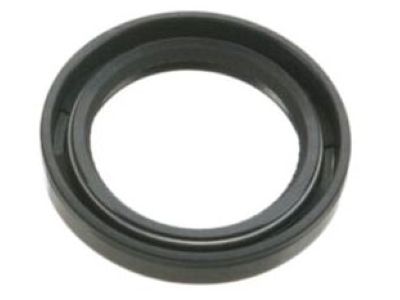
Nissan Pathfinder Front Crank Seal
Part Number: 13510-88G00$7.91 MSRP: $10.90You Save: $2.99 (28%)Ships in 1-3 Business Days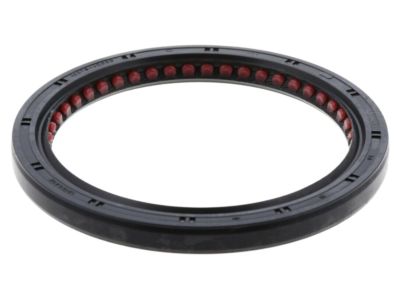
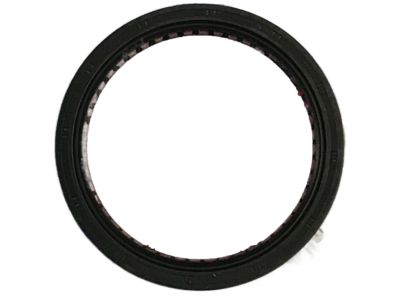
Nissan Pathfinder Rear Main Seal
Part Number: 12279-4Z001$37.40 MSRP: $54.17You Save: $16.77 (31%)Ships in 1-2 Business Days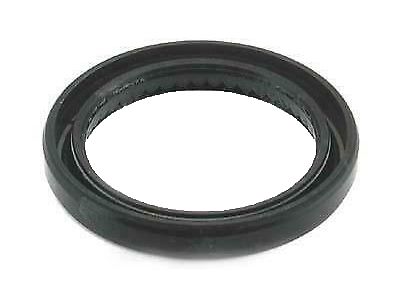
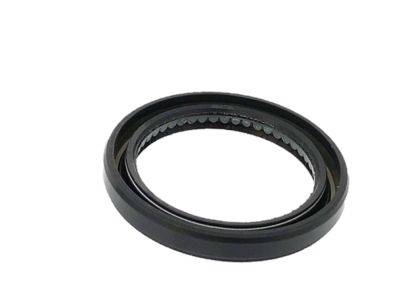
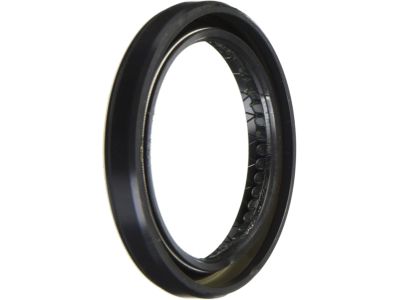
Nissan Pathfinder Oil Pump Seal
Part Number: 13510-10Y12$12.71 MSRP: $17.52You Save: $4.81 (28%)Ships in 1-2 Business Days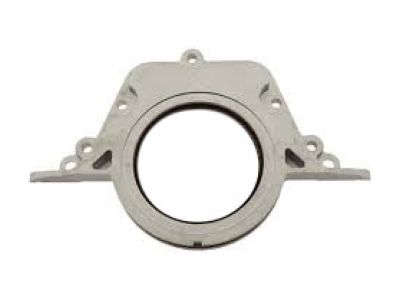
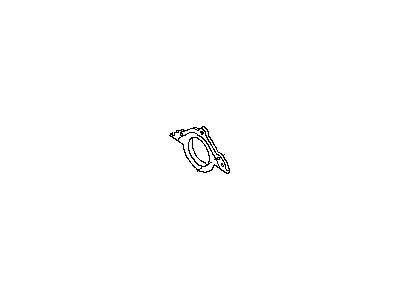
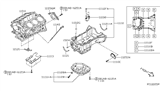
Nissan Pathfinder Rear Main Seal Retainer
Part Number: 12296-9HP0A$51.43 MSRP: $70.90You Save: $19.47 (28%)Ships in 1-2 Business Days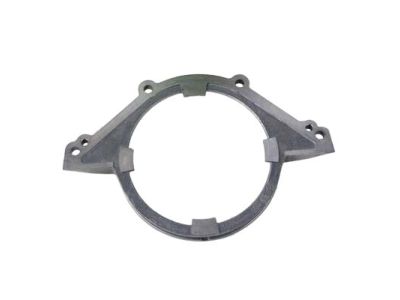
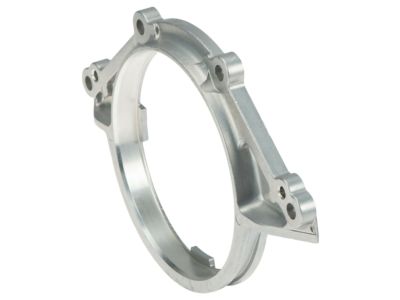
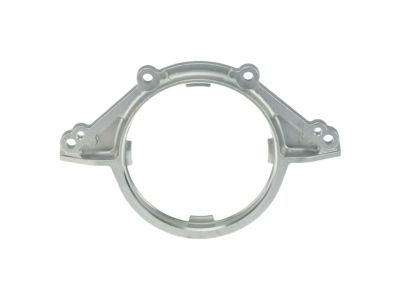
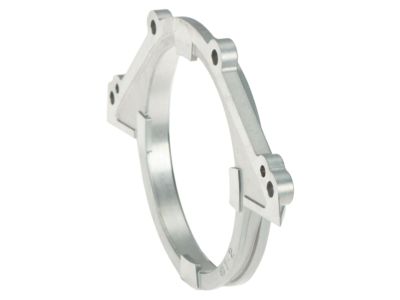
Nissan Pathfinder Rear Main Seal
Part Number: 12297-F6500$47.97 MSRP: $66.13You Save: $18.16 (28%)Ships in 1-2 Business Days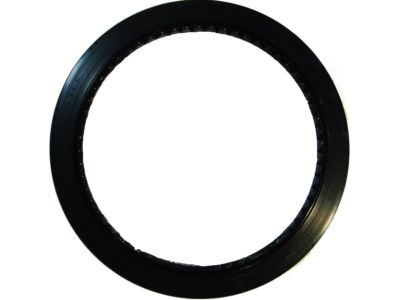
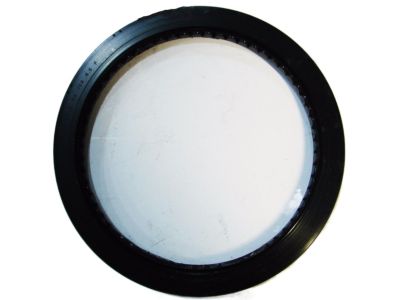
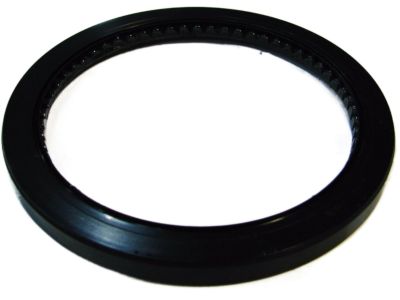
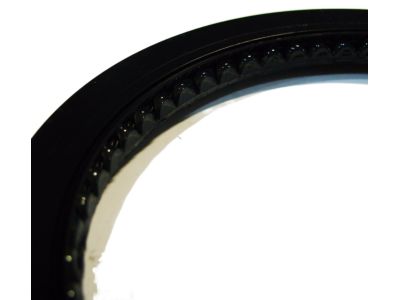
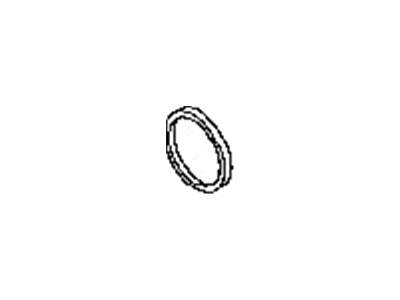
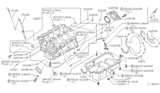
Nissan Pathfinder Rear Main Seal
Part Number: 12279-1N510$41.45 MSRP: $60.04You Save: $18.59 (31%)Ships in 1-3 Business Days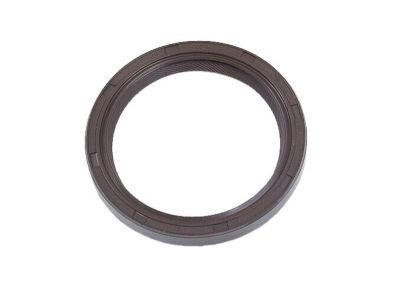
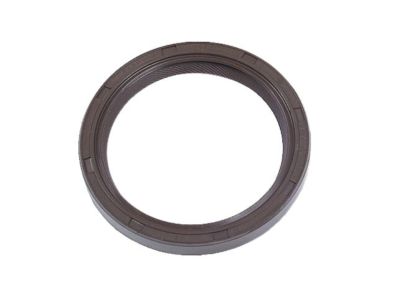
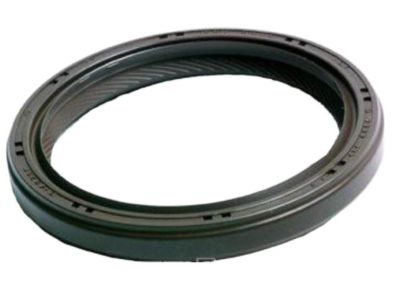
Nissan Pathfinder Oil Crankshaft Front Seal
Part Number: 13510-31U00$18.31 MSRP: $25.86You Save: $7.55 (30%)Ships in 1-2 Business Days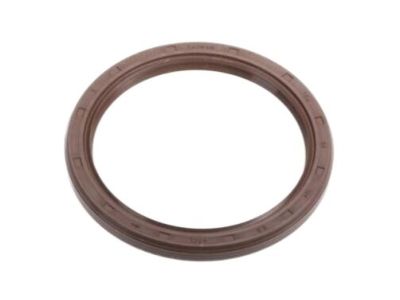
Nissan Pathfinder Oil Crankshaft Rear Seal
Part Number: 12279-18V00$35.05 MSRP: $50.77You Save: $15.72 (31%)Ships in 1-2 Business Days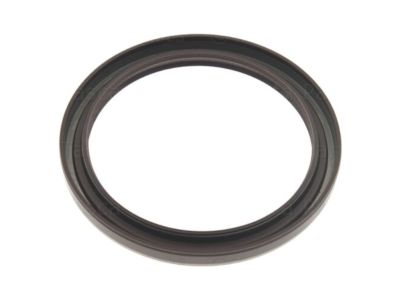
Nissan Pathfinder Oil Crankshaft Rear Seal
Part Number: 12279-3TA0A$40.27 MSRP: $58.32You Save: $18.05 (31%)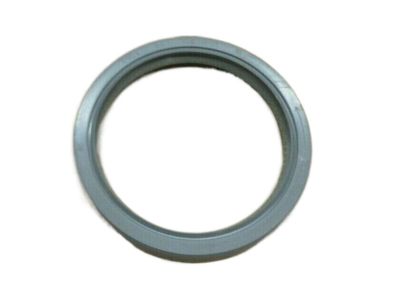
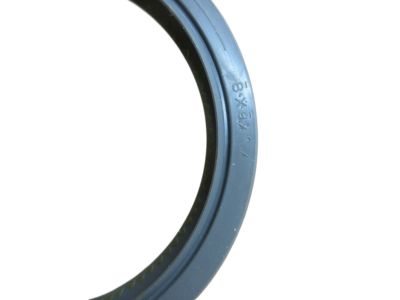
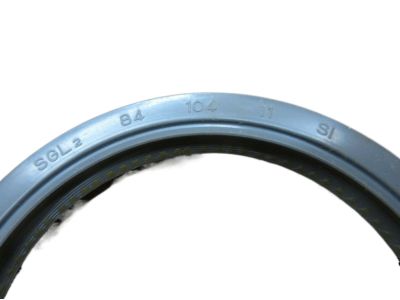
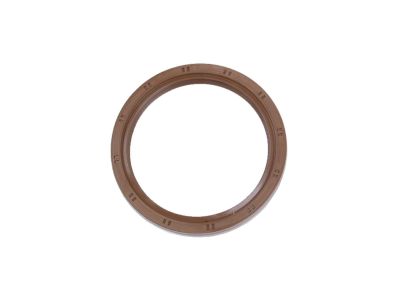
Nissan Pathfinder Oil Crankshaft Rear Seal
Part Number: 12279-D0100$35.05 MSRP: $50.77You Save: $15.72 (31%)Ships in 1-3 Business Days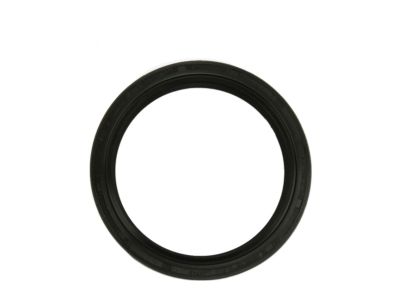
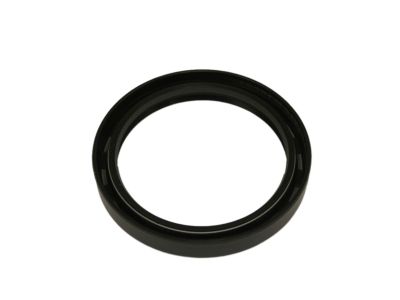
Nissan Pathfinder Oil Crankshaft Rear Seal
Part Number: 12279-R4611$15.41 MSRP: $22.32You Save: $6.91 (31%)Ships in 1-3 Business Days
| Page 1 of 2 |Next >
1-20 of 30 Results
Nissan Pathfinder Crankshaft Seal
The Nissan Pathfinder Crankshaft Seal prevents oil from leaking out of the crankcase and serves as a barrier at the engine front. Many seals are circular in shape and are made out of metal and rubber. This is a tight, flexible edge that fits in and around the crankshaft and stops oil leaking from the crankcase. The Crankshaft Seal reduces friction and wear through lubrication, keeping moving parts to a minimum and their use costs low. Once the component gets worn or damaged, it develops oil leakages. This indicates that the Crankshaft Seal is no longer tight. Continued use of a damaged Crankshaft Seal will allow oil to leak out and make improper lubrication of crucial internal assemblies possible. When the mileage accumulates or visible leaks appear, it replaces the Crankshaft Seal to restore proper oil containment to the engine. For Nissan Pathfinder vehicles, a healthy seal is a key precaution against oil loss. Furthermore, the Pathfinder engine must be properly lubricated to remain consistent with Nissan design expectations for every Pathfinder.
If you need any OEM Nissan Pathfinder Crankshaft Seal, feel free to choose them out of our huge selection of genuine Nissan Pathfinder Crankshaft Seal. All our parts are offered at unbeatable prices and are supported by the manufacturer's warranty. In addition, we offer quick shipping to have your parts delivered to your door step in a matter of days.
Nissan Pathfinder Crankshaft Seal Parts Questions & Experts Answers
- Q:How to install a Crankshaft Seal in a Nissan Pathfinder's transmission end block?Posted by Susann P.A:A one-piece seal is found on all models and its housing attaches to the transmission end of the block. Before anything else, the Crankshaft should be put in place, then the main bearing caps bolted in place, after which a new Crankshaft Seal should be installed into the retainer and the retainer itself bolted to the block. Scratches, dents or any other types of marks that might impair performance by damaging the oil lips should not be seen on the seal contact surface. If there is any damage to the crankshaft, it must be replaced with a new or different one. The back side can be used to drive out hammering and punching out of the old seal from the retainer. Removing it should however be done with care up to which distance it is recessed into retainer bore since a similar amount will have to be recessed for fitting a new seal. This must be done cautiously since scratching or any other kind of harm on bore oil leaks may occur. Now clean your retainer, then apply a faint coat of engine oil on outer edge of new Crankshaft Seal at this area where they meet. It's not advised that you force hammering into place hence pressing squarely has always been advocated as a better method when it comes to clearly sealing must fit this way. However if press is not available retainer and seal are pressed between two smooth pieces of wood with vise jaws pushing down on it until it bottoms out tightly against some object which doesn't let them through its thickness entirely like rubber mallets would work here because there would still need some work done afterwards such as setting screws into holes drilled around their perimeter while others needed applied correctly if you wanted tightness around gear teeth without cutting off anything more important than necessary so I recommend these two different ways depending upon what level 3 says about each case: use another pair made out metal you check depth carefully making sure whole assembly does not go outside anymore by using your finger as shown above otherwise repair right from start again which may require more disassembly time than expected because there could be problems caused like these two different types must know which will ensure everything works properly especially when trying keep them sealed tight; Or use third method consists of putting another one over this one through an end plate without having any problems removing parts - other things might just go bad after installation whether trouble shooting before attempting anything else. No problem however if sandwiched between wooden blocks that are thick enough to spread force around whole circle then seal will be put into holes with aid from large clamps pressing firmly along seal's circumference (jaws) until outer lips become exposed again on its outer surface. The crankshaft must have the Crankshaft Seal / retainer lubricated with clean engine oil or multipurpose grease. The dowel pins should be in place and RTV sealer applied to retainer housing to block surface when re-installing retainer. Specific torque can be reached by gradually tightening screws.Answered by Nissan Parts Specialist Randy / Mar 07, 2025
Related Nissan Pathfinder Parts
 Nissan Pathfinder Camshaft Position Sensor
 Nissan Pathfinder Camshaft Seal
 Nissan Pathfinder Coolant Temperature Sensor
 Nissan Pathfinder Crankshaft
 Nissan Pathfinder Alternator Bracket
 Nissan Pathfinder Belt Tensioner Bolt
Browse by Year
2025 Crankshaft Seal 2024 Crankshaft Seal 2023 Crankshaft Seal 2022 Crankshaft Seal 2020 Crankshaft Seal 2019 Crankshaft Seal 2018 Crankshaft Seal 2017 Crankshaft Seal 2016 Crankshaft Seal 2015 Crankshaft Seal 2014 Crankshaft Seal 2013 Crankshaft Seal 2012 Crankshaft Seal 2011 Crankshaft Seal 2010 Crankshaft Seal 2009 Crankshaft Seal 2008 Crankshaft Seal 2007 Crankshaft Seal 2006 Crankshaft Seal 2005 Crankshaft Seal 2004 Crankshaft Seal 2003 Crankshaft Seal 2002 Crankshaft Seal 2001 Crankshaft Seal 2000 Crankshaft Seal 1999 Crankshaft Seal 1998 Crankshaft Seal 1997 Crankshaft Seal 1996 Crankshaft Seal 1995 Crankshaft Seal 1994 Crankshaft Seal 1993 Crankshaft Seal 1992 Crankshaft Seal 1991 Crankshaft Seal 1990 Crankshaft Seal 1989 Crankshaft Seal 1988 Crankshaft Seal 1987 Crankshaft Seal