×
- Hello
- Login or Register
- Quick Links
- Live Chat
- Track Order
- Parts Availability
- RMA
- Help Center
- Contact Us
- Shop for
- Nissan Parts
- Nissan Accessories

My Garage
My Account
Cart
Genuine Nissan Pathfinder Knock Sensor
Engine Knock Sensor- Select Vehicle by Model
- Select Vehicle by VIN
Select Vehicle by Model
orMake
Model
Year
Select Vehicle by VIN
For the most accurate results, select vehicle by your VIN (Vehicle Identification Number).
8 Knock Sensors found
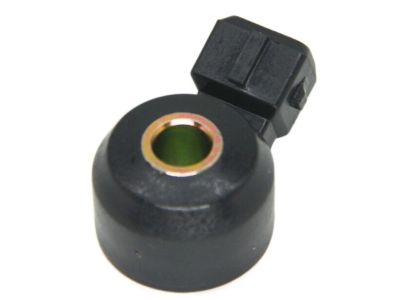
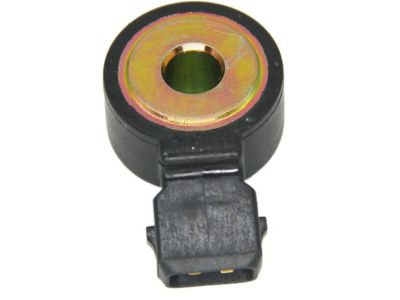
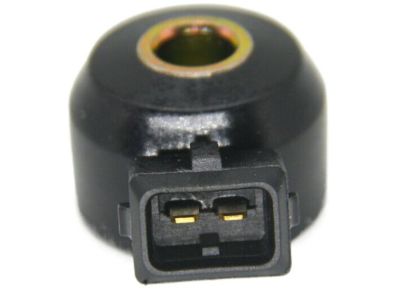
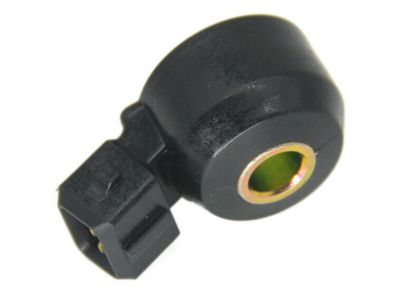
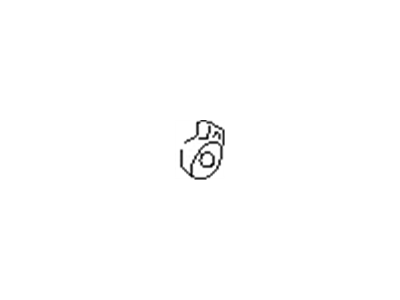
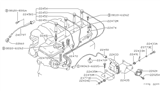
Nissan Pathfinder Knock Sensor
Part Number: 22060-30P00$219.63 MSRP: $325.20You Save: $105.57 (33%)Ships in 1-2 Business Days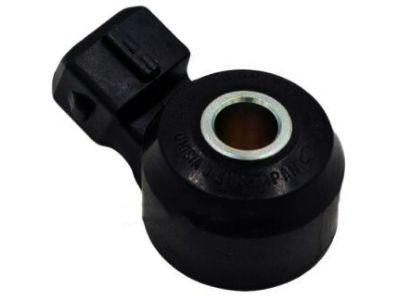
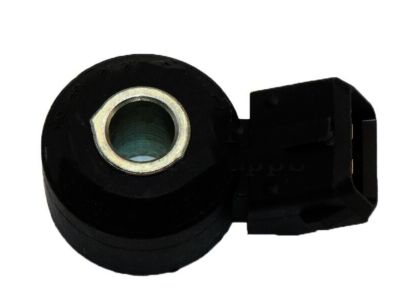
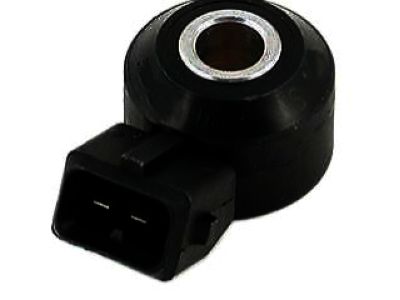
Nissan Pathfinder Ignition Knock (Detonation) Sensor
Part Number: 22060-7S000$139.07 MSRP: $205.92You Save: $66.85 (33%)Ships in 1-3 Business Days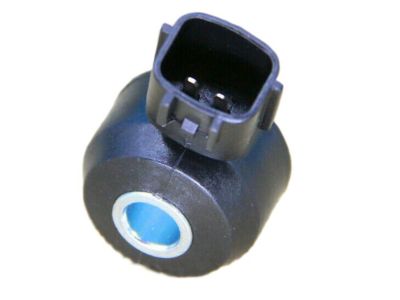
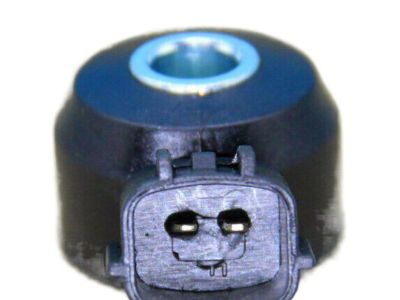
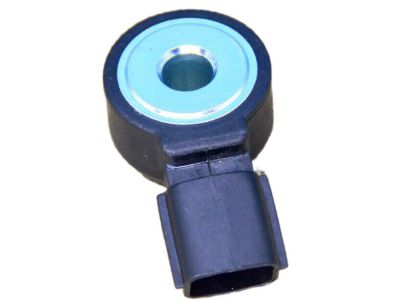
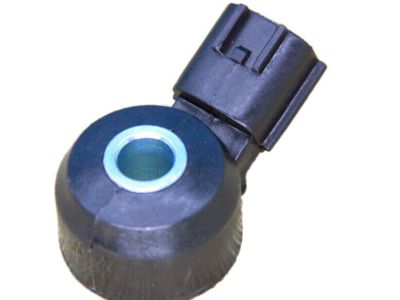
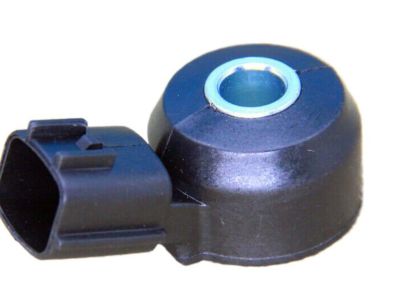
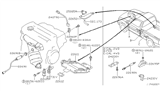
Nissan Pathfinder Knock Sensor
Part Number: 22060-7B000$228.59 MSRP: $338.47You Save: $109.88 (33%)Ships in 1-2 Business Days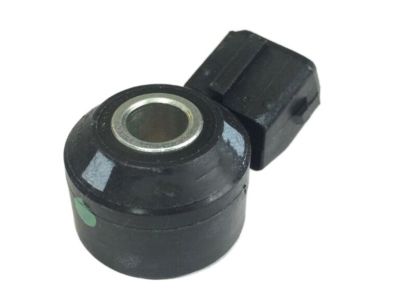
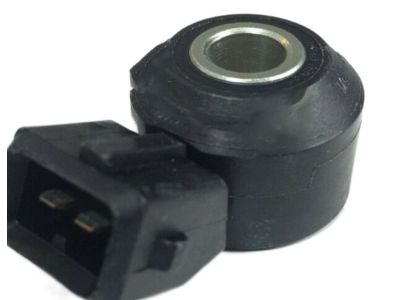
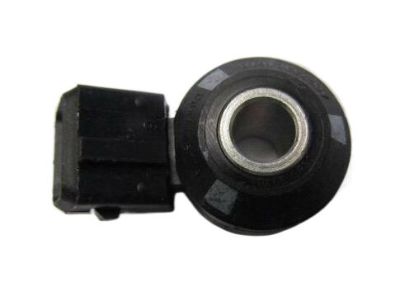
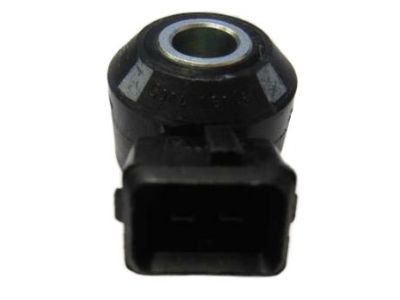
Nissan Pathfinder Ignition Knock (Detonation) Sensor
Part Number: 22060-ZV00A$233.22 MSRP: $345.33You Save: $112.11 (33%)Ships in 1-3 Business Days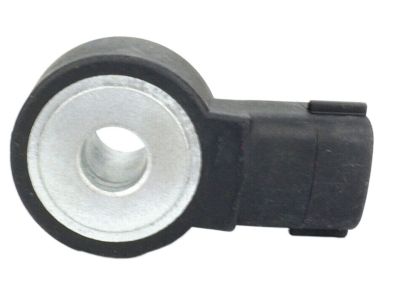
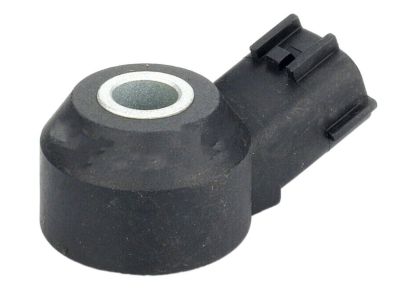
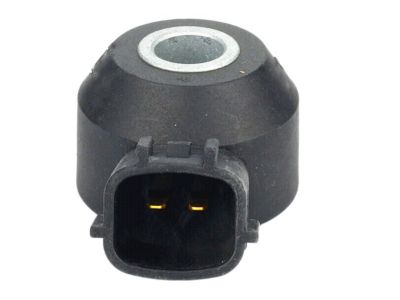
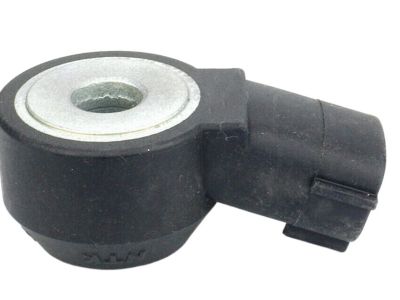
Nissan Pathfinder Knock Sensor
Part Number: 22060-2Y000$218.90 MSRP: $324.12You Save: $105.22 (33%)Ships in 1-3 Business Days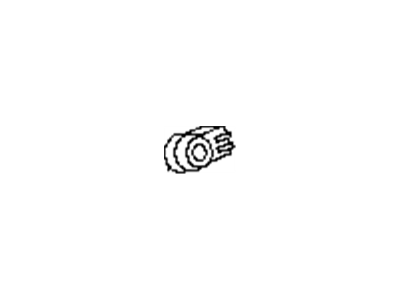
Nissan Pathfinder Ignition Knock (Detonation) Sensor
Part Number: 22060-2A000$237.79 MSRP: $352.10You Save: $114.31 (33%)Ships in 1-2 Business Days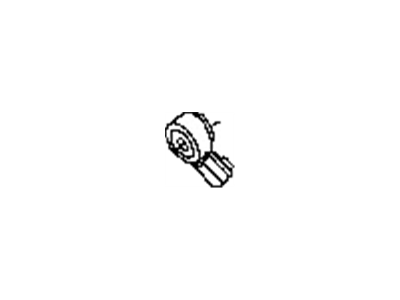
Nissan Pathfinder Sensor Assembly Knock
Part Number: 22060-6KA0A$260.69 MSRP: $397.88You Save: $137.19 (35%)Ships in 1-3 Business Days
Nissan Pathfinder Ignition Knock (Detonation) Sensor
Part Number: 22060-EZ30A$260.69 MSRP: $397.88You Save: $137.19 (35%)Ships in 1-3 Business Days
Nissan Pathfinder Knock Sensor
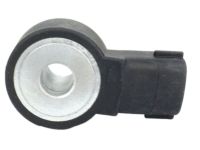
The control computer recognizes knock via the Nissan Pathfinder Knock Sensor. This part alerts the computer of vibrations caused by ignitions. A piezoelectric device transforms the pressure spikes caused by uncontrolled detonations into electrical signals, which are then assessed continuously in a closed loop. When the signals indicate knock, the powertrain control module momentarily retards ignition timing in small steps to resolve excess combustion pressure. Once normal firing resumes, it gradually restores advance. The Knock Sensor responds instantly, allowing the engine to run close to the knock limit for strong and efficient operation. In the engines of Nissan Pathfinder, the Knock Sensor, along with crankshaft and camshaft position inputs, operates in distributorless ignition systems to improve spark delivery and may also request timing changes that lower boost pressure on turbocharged applications. Without the Knock Sensor, damaging detonation cannot be prevented by the computer. The regular functioning of the Knock Sensor ensures power, fuel economy, and durability. It enhances Nissan Pathfinder performance by adapting to changing fuel quality and temperature. Through this arrangement of the device, Nissan Pathfinder's drivers benefit from the control over ignition.
If you need any OEM Nissan Pathfinder Knock Sensor, feel free to choose them out of our huge selection of genuine Nissan Pathfinder Knock Sensor. All our parts are offered at unbeatable prices and are supported by the manufacturer's warranty. In addition, we offer quick shipping to have your parts delivered to your door step in a matter of days.
Nissan Pathfinder Knock Sensor Parts Questions & Experts Answers
- Q:What is the purpose of the Knock Sensor and where is it located in Nissan Pathfinder?Posted by Kristopher J.A:The Knock Sensor measures engine vibrations, cuts down on engine spark knock during heavy detonation, and lets the computer advance spark timing to make your car easier to drive. The sensor creates AC power that rises in strength when knocks grow tougher, and tells the PCM (powertrain control module) to step back the spark timing. Four-cylinder engines put their sensor on the block's lower side below the intake manifold, while V6 engines have it in the middle of their block under the intake. To see if the sensor is working properly, kill the power and test the resistance between terminal 2 and the engine's solid ground by using an ohmmeter. A good reading should show 500 to 620 K-ohms at 77-degrees F. When the resistance reading differs from these numbers, you need to get a new sensor. On 6-cylinder models, the intake manifold needs to come off first. Second, unplug the electrical wire attached to the sensor. Last, remove the securing bolt, then lift the sensor out of its position in the engine block. To reinstall the sensor, follow steps in reverse order.Answered by Nissan Parts Specialist Eliot / May 02, 2023
Related Nissan Pathfinder Parts
 Nissan Pathfinder Camshaft Position Sensor
 Nissan Pathfinder Oxygen Sensor
 Nissan Pathfinder Coolant Temperature Sensor
 Nissan Pathfinder Crankshaft Position Sensor
 Nissan Pathfinder Mass Air Flow Sensor
 Nissan Pathfinder Automatic Transmission Shift Position Sensor Switch
 Nissan Pathfinder Vehicle Speed Sensor
 Nissan Pathfinder Parking Assist Distance Sensor
 Nissan Pathfinder MAP Sensor
 Nissan Pathfinder Throttle Position Sensor
Browse by Year
2025 Knock Sensor 2024 Knock Sensor 2023 Knock Sensor 2022 Knock Sensor 2020 Knock Sensor 2019 Knock Sensor 2018 Knock Sensor 2017 Knock Sensor 2016 Knock Sensor 2015 Knock Sensor 2014 Knock Sensor 2013 Knock Sensor 2012 Knock Sensor 2011 Knock Sensor 2010 Knock Sensor 2009 Knock Sensor 2008 Knock Sensor 2007 Knock Sensor 2006 Knock Sensor 2005 Knock Sensor 2004 Knock Sensor 2003 Knock Sensor 2002 Knock Sensor 2001 Knock Sensor 2000 Knock Sensor 1999 Knock Sensor 1998 Knock Sensor 1997 Knock Sensor 1996 Knock Sensor 1995 Knock Sensor 1994 Knock Sensor 1993 Knock Sensor 1992 Knock Sensor