×
- Hello
- Login or Register
- Quick Links
- Live Chat
- Track Order
- Parts Availability
- RMA
- Help Center
- Contact Us
- Shop for
- Nissan Parts
- Nissan Accessories

My Garage
My Account
Cart
Genuine Nissan Xterra Fuel Rail
Engine Fuel Rail- Select Vehicle by Model
- Select Vehicle by VIN
Select Vehicle by Model
orMake
Model
Year
Select Vehicle by VIN
For the most accurate results, select vehicle by your VIN (Vehicle Identification Number).
6 Fuel Rails found
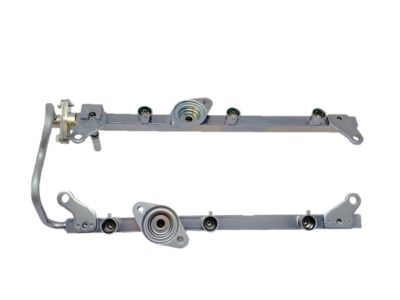
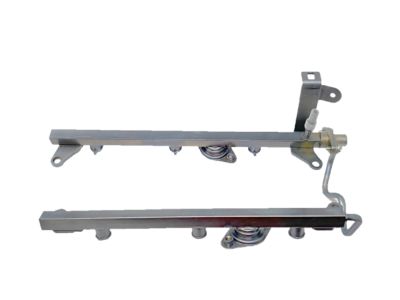
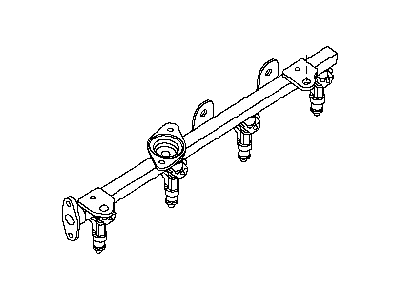
Nissan Xterra Fuel Rail
Part Number: 17521-EA20A$204.32 MSRP: $288.58You Save: $84.26 (30%)Ships in 1-2 Business Days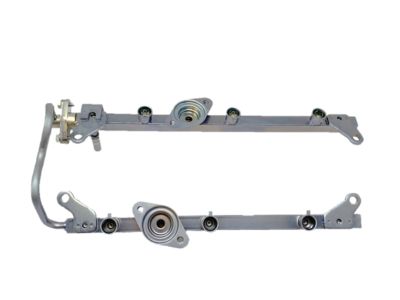
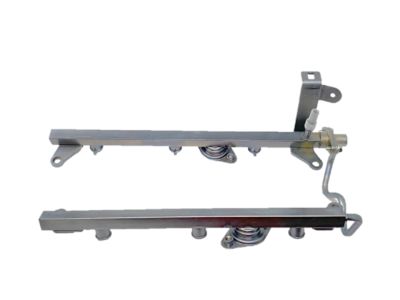
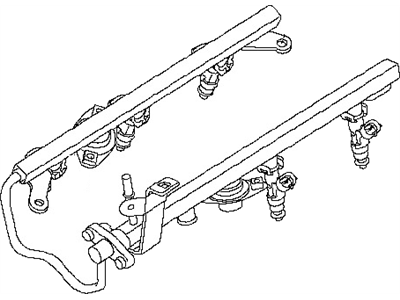
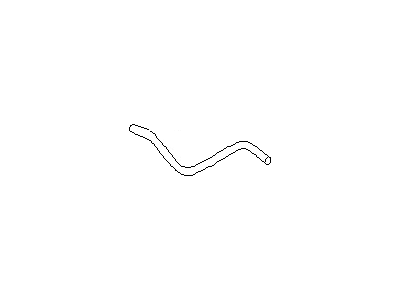
Nissan Xterra Fuel Pipe Assembly
Part Number: 17521-EA200$204.32 MSRP: $288.58You Save: $84.26 (30%)Ships in 1-3 Business Days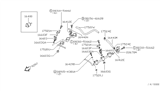
Nissan Xterra Fuel Pipe Assembly
Part Number: 17521-4S100$204.40 MSRP: $288.70You Save: $84.30 (30%)Ships in 1-3 Business Days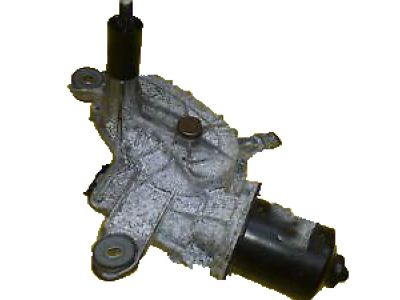
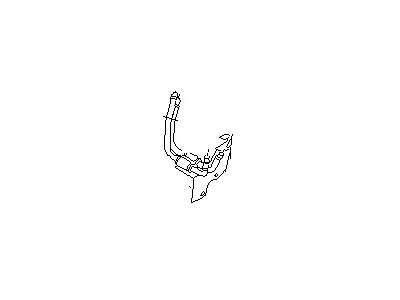
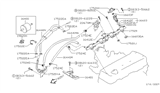
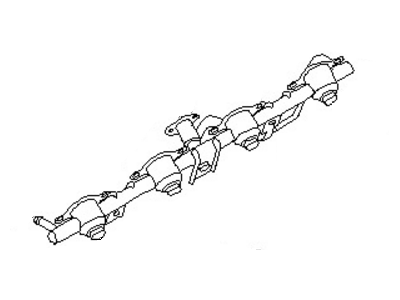
Nissan Xterra Fuel Rail
The function of the Fuel Rail in the Nissan Xterra is to transfer pressurized gasoline to each injector. The Fuel Rail acts like a pipe. An electric pump sends fuel to the rail, and it holds it at steady pressure. It also feeds the port style fuel injectors, which are mounted near the intake valves. This allows the engine computer to alter fuel injector pulse width for idle, cruising, or heavy load. Furthermore, this layout was carried on in later Nissan models. The early sport utility variations applied the common multiport setup, and the later didn't ditch it because it strikes a balance between power and low emissions, so you won't find major style changes between model years. The Nissan Xterra design is superior to that of older throttle body systems. The latter has either one or two injectors located above the throttle plate. The Xterra design, on the other hand, sees a separate injector for every cylinder on the Fuel Rail. This configuration helps improve atomization and throttle response. Modern engines in the lineup also use a high pressure common rail concept for direct injection, but the main usage of the Fuel Rail remains the same. It provides a stable flow, ensuring reliable starting, smooth running, and good mileage in all Nissans and all Xterra generations, and overall, the Fuel Rail is important for reliable performance.
If you need any OEM Nissan Xterra Fuel Rail, feel free to choose them out of our huge selection of genuine Nissan Xterra Fuel Rail. All our parts are offered at unbeatable prices and are supported by the manufacturer's warranty. In addition, we offer quick shipping to have your parts delivered to your door step in a matter of days.
Nissan Xterra Fuel Rail Parts Questions & Experts Answers
- Q:How to remove and replace fuel injectors and the fuel rail in a Nissan Xterra?Posted by Luc D.A:Relieve the fuel pressure, unplug the battery cable, and remove the upper intake manifold. Unplug the electrical connectors and take off the injector cap screws and cap. Pull the injectors from the fuel rail cup. Disconnect the fuel feed and return lines and disconnect the Fuel Pressure Regulator vacuum hose. Remove the retaining bolts and lift the fuel rail and injectors as an assembly. Remove and discard the clips. Inspect the fuel rail insulators and replace them as needed. Install the insulators and lubricate them with oil. Replace the injector O-rings and lubricate them with oil. Install the injectors onto the fuel rail, install the new retaining clips, install the fuel rail, and tighten the bolts.Answered by Nissan Parts Specialist Anildo / Jun 03, 2022
Related Nissan Xterra Parts
 Nissan Xterra Gas Cap
 Nissan Xterra Throttle Cable
 Nissan Xterra Fuel Pump
 Nissan Xterra Accelerator Cable
 Nissan Xterra Fuel Tank
 Nissan Xterra Throttle Body
 Nissan Xterra Fuel Filter
 Nissan Xterra Fuel Level Sensor
 Nissan Xterra Fuel Injector
 Nissan Xterra Fuel Pressure Regulator
 Nissan Xterra Fuel Filler Neck