×
- Hello
- Login or Register
- Quick Links
- Live Chat
- Track Order
- Parts Availability
- RMA
- Help Center
- Contact Us
- Shop for
- Nissan Parts
- Nissan Accessories

My Garage
My Account
Cart
Genuine Nissan Car Batteries
Auto Battery- Select Vehicle by Model
- Select Vehicle by VIN
Select Vehicle by Model
orMake
Model
Year
Select Vehicle by VIN
For the most accurate results, select vehicle by your VIN (Vehicle Identification Number).
43 Car Batteries found

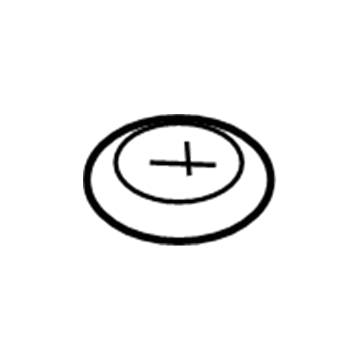
Nissan Battery-Key
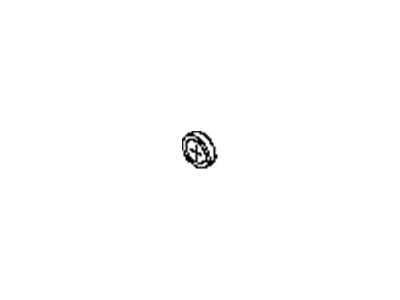
Part Number: B8599-C2032$7.84 MSRP: $12.07You Save: $4.23 (36%)Ships in 1 Business DayProduct Specifications- Other Name: Battery
- Replaces: 28599-9Y000
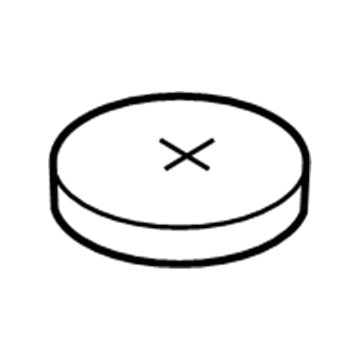
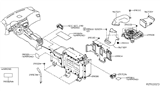
Nissan Battery-Entry Card
Part Number: B8599-C2025$13.45 MSRP: $21.25You Save: $7.80 (37%)Ships in 1 Business DayProduct Specifications- Other Name: Battery
- Replaces: 28599-C9901

 Product Specifications
- Other Name: Battery Pack-Lithium Ion; Battery

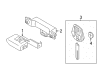
Nissan BATTERY-ENTRY CARD
Part Number: B8599-C1620$15.64 MSRP: $24.09You Save: $8.45 (36%)Ships in 1-3 Business DaysProduct Specifications- Other Name: Battery
- Replaces: 28599-C9900
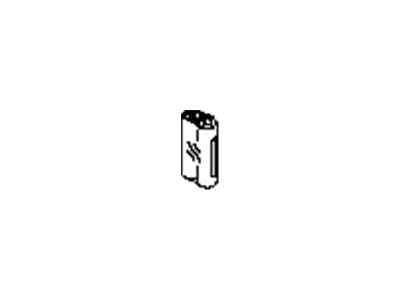
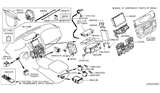
Nissan Battery
Part Number: 28599-1LA0A$22.81 MSRP: $31.45You Save: $8.64 (28%)Ships in 1-3 Business DaysProduct Specifications- Other Name: Battery-Headphone; Battery
Nissan Battery-Entry Card
Part Number: 28599-C9900$16.02 MSRP: $24.09You Save: $8.07 (34%)Ships in 1 Business DayProduct Specifications- Other Name: Battery
- Replaced by: B8599-C1620
- Product Specifications
- Other Name: Battery Pack-Lithium Ion
 Product Specifications
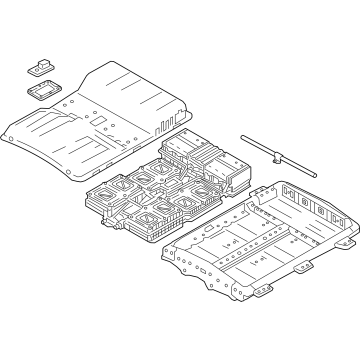
- Other Name: Battery, Battery Assembly
- Replaced by: 295B0-5SF7ERE
- Replaces: 295B0-5SF9C, 295B0-5SF7A
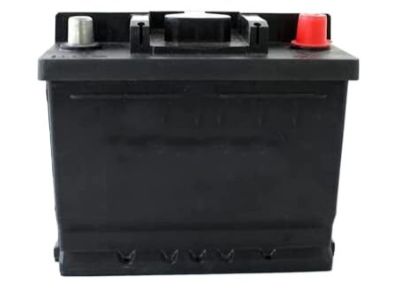
 Product Specifications
- Other Name: Battery
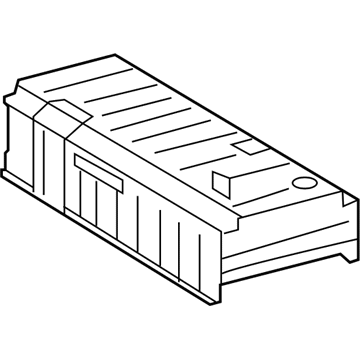
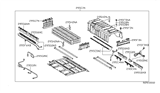
Nissan Main Battery Sub Assembly
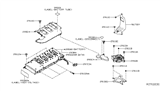
Part Number: 295C1-JA80A$7362.22 MSRP: $8913.10You Save: $1550.88 (18%)Product Specifications- Other Name: Battery Sub Assy-Main,C; Battery
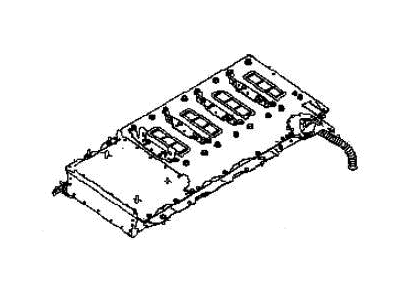
 Product Specifications
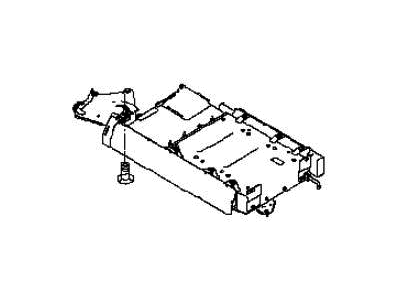
- Other Name: Battery Assy-Main; Battery
- Product Specifications
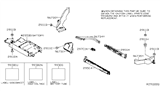
- Other Name: Battery, Battery Assembly
 Product Specifications
- Other Name: Battery Pack-Lithium Ion
- Replaced by: 295B0-3JV4A
- Product Specifications
- Other Name: Battery Pack-Lithium Ion
- Replaced by: 295B0-3JV4A
 Product Specifications
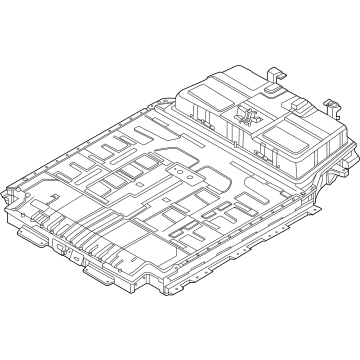
- Other Name: Battery, Battery Assembly
- Product Specifications
- Other Name: Battery, Battery Assembly
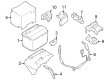
- Product Specifications
- Other Name: Battery Pack-Lithium Ion
- Replaces: 295B0-4BC0A, 295B0-4BC1A
| Page 1 of 3 |Next >
1-20 of 43 Results
Nissan Car Batteries Parts Questions & Experts Answers
- Q:What should be considered before disconnecting a Nissan Altima's car batteries for maintenance?A:While disconnecting the battery of the vehicle before doing maintenance, it is important to be aware that some systems require continuous battery power to function without interruption such as alarm systems, power door locks and control unit memory for things like radio station presets and Powertrain Control Module (PCM). Removing the battery disrupts the flow of power to these systems. To avoid any issues, when working on a vehicle with power door locks, do not forget to take the key or keyless entry fob out so as not to mistakenly lock your car when you are connecting the battery back. In order to solve this problem, memory savers devices which are usually plugged into lighters and connected to a spare battery can be used instead in order to help maintain supply of electricity for critical systems like audio unit security codes and PCM memory as well as always-hot circuits such as clock and radio-memory circuit. First install a memory saver device when disconnecting the battery; afterwards proceed with loosening the cable end bolt then disconnecting the cable from negative battery terminal making sure that cable end is isolated to prevent inadvertent contact with battery terminal. When you reconnect a car's accumulator start by connecting positive accumulative wire (if it has been disconnected earlier) then connect negative wire. After connecting a car's accumulator go through different re-learn processes including accelerator pedal released position learning, throttle valve closed position learning, idle air volume learning, power window initialization and anti-pinch feature check, sunroof initialization and anti-pinch feature check. These services are necessary for restoring normal operation of an automobile unless a memory saver was employed during blackout.
- Q:What is the importance of a routine preventive maintenance program for the car batteries in your Nissan Maxima?A:It is very important to have proper equipment for safe handling An effective battery maintenance schedule is the basic requirement for maintaining dependable cranking power, therefore, a preventive maintenance program of the battery in your vehicle should be faithfully adhered to. Measures include switching off the engine and all the accessory systems in the vehicle as well as removing the negative terminal. The battery generates what is known as flammable hydrogen gas, therefore, it is recommended that charging is done in a well-ventilated environment, do not use this battery near any source of naked flame, sparks, or any sources of heat such as cigarettes or lighted matches. Electrolyte is composed of corrosive sulfuric acid so protective safety glasses must be worn and contaminated skin or eye or clothes should not be touched. Check the battery's exterior appearance and condition, concentrate on the positive terminal and the cable clamp does not possess any signs of corrosion, loose connections, or crack. If this is the case, the battery should be removed for cleaning; it is advisable to disconnect the ground cable first. Wash the cable clamps and the terminals with warm water with a little baking soda, while wearing safety goggles and gloves and rinse the cleaned parts with clear water. Make sure that the battery tray is in good condition and hold-down clamp bolts are properly tightened down, not overly tight though. For charging, it is advised to pull out the battery out of the car to avoid drawing spilled paint; the best method for charging a flat Battery is slow-rate charging. A one or two-amp charger is safest; two-amps is the maximum most retailers should use; anything over one-amp should be no more than 1/10 the amp/hour rating of the battery. Charging times differ, normally with trickle chargers it takes up to 12 to 16 hours for a battery to be charged fully. If there is a cell cap then remove all the cell caps, if there are holes then cover them with a cloth snugly connect the charger. Do not overcharge the battery especially in high current and observe and record specific gravity with hydrometer if the battery has removable vent caps. Battery with float charge should have no change in specific gravity for two hours and should bubble freely. The sealed batteries come with hydrometers built-in, or can be checked with a digital voltmeter; the fully charged battery is to be 12.6V or above.
- Q:What are some tips for proper maintenance of car batteries on Nissan Titan?A:Making sure your vehicle starts reliably requires taking good care of the battery. You should have all required tools and equipment before you start any work. There are a few precautions to take when working with batteries such as switching off the engine and disconnecting the negative terminal. Avoid producing sparks or flames or charging the battery in an area with poor ventilation since batteries generate highly flammable, explosive gas which is hydrogen. As such, its electrolyte contains corrosive sulfuric acid; you should not let it come into contact with your eyes, skin, clothes, etc. You must also wear protection gear before any battery maintenance exercise. This can involve inspecting the battery for external damages like corroded connections, loose clamps or cable problems. If there is corrosion present on it, then it must be removed for cleaning. In order to clean them, use a solution made of baking soda and water with a brush that cleans battery ends as well as terminals while wearing goggles and gloves for safety reasons. The tray and hold-down clamp where the battery is located should not be damaged and should be tight enough to secure it while driving. It is better to remove the battery from the car during charging so that escape gas does not damage its paintwork; therefore it is preferable to charge elsewhere this way that will prevent paint damage by escaping gasses. One would restore power to a discharged cell or keep it from discharging further by using a slow-rate charge through 1-2 amp chargers only. Quick charging is meant for emergency purposes only though charges vary depending on gravity measurements since observing overheating here is important. Sealed ones can contain hydrometers built inside them while others can be checked using digital voltmeter.
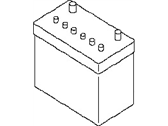
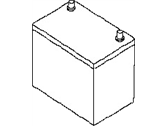
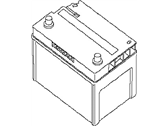
Related Nissan Parts

Browse by Model
370Z Car Batteries Altima Car Batteries ARIYA Car Batteries Armada Car Batteries Cube Car Batteries Frontier Car Batteries GT-R Car Batteries Juke Car Batteries Kicks Car Batteries Kicks Play Car Batteries Leaf Car Batteries Maxima Car Batteries Murano Car Batteries NV Car Batteries Pathfinder Car Batteries Quest Car Batteries Rogue Car Batteries Sentra Car Batteries Titan Car Batteries Versa Car Batteries Versa Note Car Batteries Xterra Car Batteries Z Car Batteries