×
- Hello
- Login or Register
- Quick Links
- Live Chat
- Track Order
- Parts Availability
- RMA
- Help Center
- Contact Us
- Shop for
- Nissan Parts
- Nissan Accessories

My Garage
My Account
Cart
Genuine 2000 Nissan Quest Piston
Engine Pistons- Select Vehicle by Model
- Select Vehicle by VIN
Select Vehicle by Model
orMake
Model
Year
Select Vehicle by VIN
For the most accurate results, select vehicle by your VIN (Vehicle Identification Number).
21 Pistons found
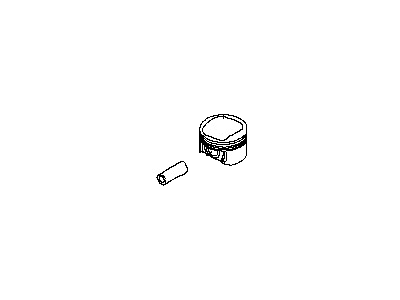
 Product Specifications
- Other Name: Piston-W/Pin
- Replaced by: A2010-2Z077
- Lookup Code: 12010
- Item Weight: 1.20 Pounds
- Item Dimensions: 3.9 x 3.6 x 3.3 inches
- Condition: New
- Fitment Type: Direct Replacement
- SKU: A2010-7B077
- Warranty: This genuine part is guaranteed by Nissan's factory warranty.
- Product Specifications
- Other Name: Piston-W/Pin
- Manufacturer Note: OS=0.25
- Replaced by: A2010-2Z076
- Lookup Code: 12010
- Item Weight: 1.20 Pounds
- Item Dimensions: 4.0 x 3.6 x 3.2 inches
- Condition: New
- Fitment Type: Direct Replacement
- Require Quantity: 2
- SKU: A2010-7B076
- Warranty: This genuine part is guaranteed by Nissan's factory warranty.
- Product Specifications
- Other Name: Piston-W/Pin
- Manufacturer Note: STD GRADE 6
- Replaced by: A2010-2Z066
- Lookup Code: 12010
- Item Weight: 1.30 Pounds
- Item Dimensions: 3.9 x 3.9 x 3.1 inches
- Condition: New
- Fitment Type: Direct Replacement
- SKU: A2010-7B066
- Warranty: This genuine part is guaranteed by Nissan's factory warranty.
- Product Specifications
- Other Name: Piston-W/Pin
- Manufacturer Note: STD GRADE 5
- Replaced by: A2010-5S665
- Lookup Code: 12010
- Item Weight: 1.30 Pounds
- Item Dimensions: 3.9 x 3.6 x 3.5 inches
- Condition: New
- Fitment Type: Direct Replacement
- SKU: A2010-7B065
- Warranty: This genuine part is guaranteed by Nissan's factory warranty.
- Product Specifications
- Other Name: Piston-W/Pin
- Manufacturer Note: STD GRADE 4
- Replaced by: A2010-5S664
- Lookup Code: 12010
- Item Weight: 1.20 Pounds
- Item Dimensions: 3.9 x 3.7 x 3.4 inches
- Condition: New
- Fitment Type: Direct Replacement
- SKU: A2010-7B064
- Warranty: This genuine part is guaranteed by Nissan's factory warranty.
- Product Specifications
- Other Name: Piston-W/Pin
- Manufacturer Note: STD GRADE 3
- Replaced by: A2010-2Z063
- Lookup Code: 12010
- Item Weight: 1.30 Pounds
- Item Dimensions: 3.9 x 3.9 x 3.1 inches
- Condition: New
- Fitment Type: Direct Replacement
- Require Quantity: 2
- SKU: A2010-7B063
- Warranty: This genuine part is guaranteed by Nissan's factory warranty.
- Product Specifications
- Other Name: Piston-W/Pin
- Manufacturer Note: STD GRADE 2
- Replaced by: A2010-5S662
- Lookup Code: 12010
- Item Weight: 1.20 Pounds
- Item Dimensions: 3.9 x 3.8 x 3.3 inches
- Condition: New
- Fitment Type: Direct Replacement
- SKU: A2010-7B062
- Warranty: This genuine part is guaranteed by Nissan's factory warranty.
- Product Specifications
- Other Name: Piston-W/Pin
- Manufacturer Note: STD GRADE 1
- Replaced by: A2010-5S662
- Lookup Code: 12010
- Item Weight: 1.20 Pounds
- Item Dimensions: 3.9 x 3.7 x 3.3 inches
- Condition: New
- Fitment Type: Direct Replacement
- SKU: A2010-7B061
- Warranty: This genuine part is guaranteed by Nissan's factory warranty.
 Product Specifications
- Other Name: Piston-W/Pin
- Replaces: 12010-2Z077, 12010-7B077, A2010-7B077
- Lookup Code: 12010
- Item Weight: 1.20 Pounds
- Item Dimensions: 3.9 x 3.7 x 3.2 inches
- Condition: New
- Fitment Type: Direct Replacement
- Require Quantity: 3
- SKU: A2010-2Z077
- Warranty: This genuine part is guaranteed by Nissan's factory warranty.
- Product Specifications
- Other Name: Piston-W/Pin
- Replaces: 12010-2Z076, A2010-7B076, 12010-7B076
- Lookup Code: 12010
- Item Weight: 1.20 Pounds
- Item Dimensions: 4.0 x 3.8 x 3.2 inches
- Condition: New
- Fitment Type: Direct Replacement
- Require Quantity: 3
- SKU: A2010-2Z076
- Warranty: This genuine part is guaranteed by Nissan's factory warranty.
- Product Specifications
- Other Name: Piston-W/Pin
- Replaces: 12010-2Z072, 12010-7B072, A2010-7B072
- Lookup Code: 12010
- Item Weight: 1.20 Pounds
- Item Dimensions: 3.9 x 3.6 x 3.1 inches
- Condition: New
- Fitment Type: Direct Replacement
- Require Quantity: 3
- SKU: A2010-2Z072
- Warranty: This genuine part is guaranteed by Nissan's factory warranty.
- Product Specifications
- Other Name: Piston-W/Pin; Piston
- Replaces: 12010-2Z071, 12010-7B071, A2010-7B071
- Lookup Code: 12010
- Item Weight: 1.20 Pounds
- Item Dimensions: 3.9 x 3.8 x 3.3 inches
- Condition: New
- Fitment Type: Direct Replacement
- Require Quantity: 3
- SKU: A2010-2Z071
- Warranty: This genuine part is guaranteed by Nissan's factory warranty.
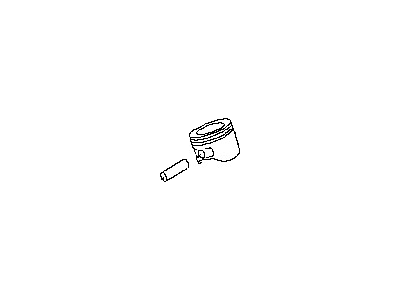 Product Specifications
- Other Name: Piston-W/Pin; Piston
- Replaces: 12010-7B066, 12010-2Z066, A2010-7B066
- Lookup Code: 12010
- Item Weight: 1.30 Pounds
- Item Dimensions: 4.0 x 4.0 x 3.1 inches
- Condition: New
- Fitment Type: Direct Replacement
- Require Quantity: 3
- SKU: A2010-2Z066
- Warranty: This genuine part is guaranteed by Nissan's factory warranty.
- Product Specifications
- Other Name: Piston-W/Pin
- Replaced by: A2010-5S665
- Lookup Code: 12010
- Item Weight: 1.30 Pounds
- Item Dimensions: 3.9 x 3.7 x 3.6 inches
- Condition: New
- Fitment Type: Direct Replacement
- Require Quantity: 3
- SKU: A2010-2Z065
- Warranty: This genuine part is guaranteed by Nissan's factory warranty.
- Product Specifications
- Other Name: Piston-W/Pin
- Replaced by: A2010-5S664
- Lookup Code: 12010
- Item Weight: 1.20 Pounds
- Item Dimensions: 3.9 x 3.6 x 3.3 inches
- Condition: New
- Fitment Type: Direct Replacement
- Require Quantity: 3
- SKU: A2010-2Z064
- Warranty: This genuine part is guaranteed by Nissan's factory warranty.
- Product Specifications
- Other Name: Piston-W/Pin; Piston
- Replaces: 12010-7B063, 12010-2Z063, A2010-7B063
- Lookup Code: 12010
- Item Weight: 1.30 Pounds
- Item Dimensions: 3.9 x 3.9 x 3.0 inches
- Condition: New
- Fitment Type: Direct Replacement
- Require Quantity: 3
- SKU: A2010-2Z063
- Warranty: This genuine part is guaranteed by Nissan's factory warranty.
- Product Specifications
- Other Name: Piston-W/Pin
- Replaced by: A2010-5S662
- Lookup Code: 12010
- Item Weight: 1.20 Pounds
- Item Dimensions: 3.8 x 3.7 x 3.4 inches
- Condition: New
- Fitment Type: Direct Replacement
- Require Quantity: 3
- SKU: A2010-2Z062
- Warranty: This genuine part is guaranteed by Nissan's factory warranty.
- Product Specifications
- Other Name: Piston-W/Pin
- Replaced by: A2010-5S662
- Lookup Code: 12010
- Item Weight: 1.20 Pounds
- Item Dimensions: 3.8 x 3.7 x 3.4 inches
- Condition: New
- Fitment Type: Direct Replacement
- Require Quantity: 3
- SKU: A2010-2Z061
- Warranty: This genuine part is guaranteed by Nissan's factory warranty.
- Product Specifications
- Other Name: Piston-W/Pin
- Replaced by: A2010-5S602
- Lookup Code: 12010
- Item Weight: 1.20 Pounds
- Item Dimensions: 3.6 x 3.6 x 3.1 inches
- Condition: New
- Fitment Type: Direct Replacement
- Require Quantity: 3
- SKU: A2010-2Z002
- Warranty: This genuine part is guaranteed by Nissan's factory warranty.
- Product Specifications
- Other Name: Piston-W/Pin
- Replaced by: A2010-5S601
- Lookup Code: 12010
- Item Weight: 1.20 Pounds
- Item Dimensions: 3.9 x 3.6 x 3.4 inches
- Condition: New
- Fitment Type: Direct Replacement
- Require Quantity: 3
- SKU: A2010-2Z001
- Warranty: This genuine part is guaranteed by Nissan's factory warranty.
| Page 1 of 2 |Next >
1-20 of 21 Results
2000 Nissan Quest Piston
Committed to delivering top-notch quality at affordable prices, our website is your go-to source for OEM 2000 Nissan Quest Piston worldwide. Each of our genuine 2000 Nissan Quest Piston come with a manufacturer's warranty, so rest assured, quality and cost are covered. With us, you're making a smart choice that stands the test of time.
2000 Nissan Quest Piston Parts Questions & Experts Answers
- Q:What steps should be taken before carrying out the inspection process on piston/connecting rod assemblies on 2000 Nissan Quest?Posted by Beck E.A:However prior to the commencement of the inspection process, the piston/connecting rod assemblies are required to be washed and the original piston rings have to be rifled out from the pistons where new piston rings are always to be fitted. Making sure not to scratch the pistons, remove the rings with the help of a piston ring installation tool. Clean all carbon build-up from the top of the piston by careful manual scraping with a hand-held brass wire brush or fine emery cloth and solvent; this operation should not be performed with the brass wire brush attached to a drill motor because this would cut and erode the soft material of the piston. The carbon should be scraped or dabbed out of the ring grooves; a piston ring groove-cleaning tool or a piece broken off the old ring will do, but care must be taken so as not to remove any metal or impair the edges of the grooves. Once the deposits are wiped off, wash the pistons/rods with solvent and blow dry them with air, making sure that the oil return holes in the grooves of the rings are not blocked. If the pistons and cylinder walls are not damaged or excessively worn and if the engine block was not rebored new pistons may not be required although always new piston rings should be used during rebuilds. Every piston should be studied for the possible presence of a crack, score marks, scuff-marks, holes, and burn areas since these are signs of overheating or abnormal combustion hence the cooling and lub-complexes should be checked. If the corrosion is in form of some pits, then the problem is leakage of coolants into the combustion chamber and crank case which should be rectified to avoid a repeat. Check the piston ring side clearance with a feeler gauge in several locations on one side of the groove, to be sure which ring is installed in which groove; if measurements are too high, new pistons will need to be used. Thus check piston to bore clearance by its calculation from the mentioned measurements and calculate the piston diameter of the new block before foundation if the measured clearance exceeds the limit it is required to rebore the block and to install new pistons and its rings. Feel the amount of play between the piston and the rod by trying to twist them in opposite directions; if the clearance is obvious, the wearing needs to be fixed, which may call for resizing and new pins at the automotive machine shop. If pistons have to be taken out from the connecting rods, they should also be coated for checking bend and twist at a machine shop. As for the connecting rods, clean them by removing the rod caps, check for cracks and nicks, roughen bearing surfaces if necessary and replace old bearings; tighten the caps only by fingers, but if knock of a connecting rod was the reason for the rebuild, new or reborn rods should be used.Answered by Nissan Parts Specialist Jorge / Jul 15, 2024
Related 2000 Nissan Quest Parts
 2000 Nissan Quest Crankshaft Gear
 2000 Nissan Quest Crankshaft Pulley
 2000 Nissan Quest Crankshaft
 2000 Nissan Quest Alternator Bracket