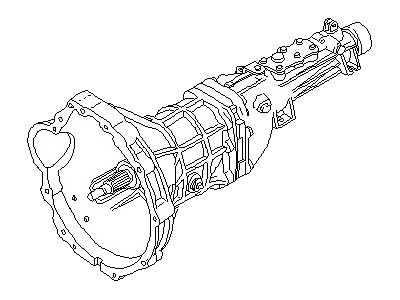
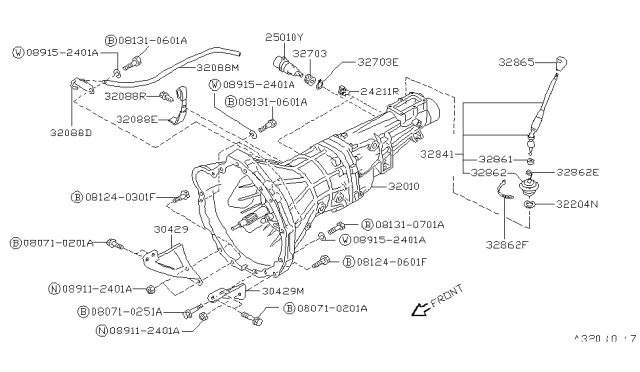
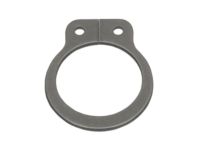
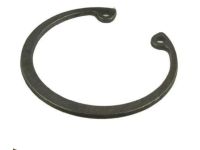
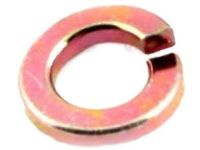
Sanitation is paramount especially during the overhaul of the manual transaxle; the outer periphery of the casing should be washed with high-pressure washer before the casing is opened in order to minimize the entry of dirt that may bring about the destruction of internal components. While disassembling and reassembling all parts, it is necessary to clean equally all components with solvent and dry them by using compressed air not using cloths or rags. Clean transaxle oil should be used for lubricating seals whereas mineral oils should not be used for lubrication since their residues are unhealthy to thrust washers; normal petroleum jelly should be used for holding thrust washers. Before installing bolts, always roll the threads in clean transaxle oil, especially when they will go into aluminum pieces, and always use a torque wrench in order not to strip the thread. The internal snaprings should be larger than the snaprings seen in the figure while the external rings should ideally be smaller for reuse. Disassembly entails the sequential withdrawal of; Shift bolts and position switches, Gear assemblies, The entire disassembled assembly is then inspected for wear or damage on the input shaft, gears and the main shaft. The assembling of inserts, gears and bearing must be well done carefully so that there will be required clearances and torque at different areas. In the final drive assembly, side gears and thrust washers are fitted followed by checking the deflection of thrust washer, and the bearings should roll smooth. The principal operations in the main bearing assembly include; cleaning mating surfaces for the mainshaft, fitting of a suitable preload shim. The transaxle assembly is then followed by the addition of sundry parts to have a good gear shift and an accurate torque reading.