×
- Hello
- Login or Register
- Quick Links
- Live Chat
- Track Order
- Parts Availability
- RMA
- Help Center
- Contact Us
- Shop for
- Nissan Parts
- Nissan Accessories

My Garage
My Account
Cart
Genuine Nissan Fuel Tank
Gas Tank- Select Vehicle by Model
- Select Vehicle by VIN
Select Vehicle by Model
orMake
Model
Year
Select Vehicle by VIN
For the most accurate results, select vehicle by your VIN (Vehicle Identification Number).
288 Fuel Tanks found
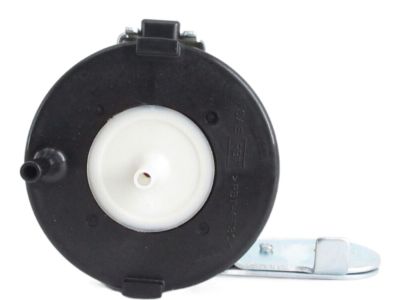
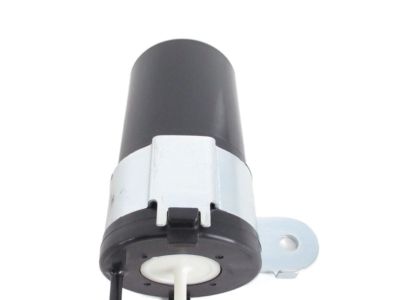
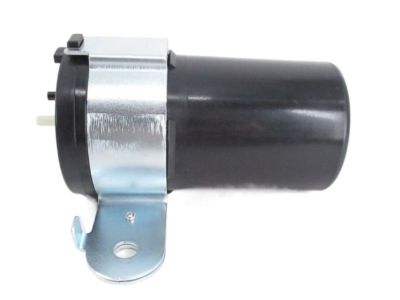
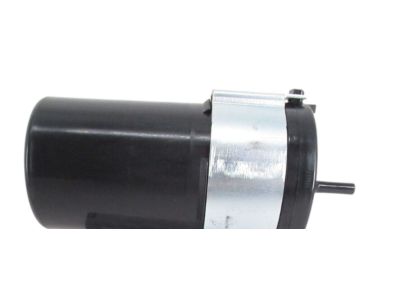
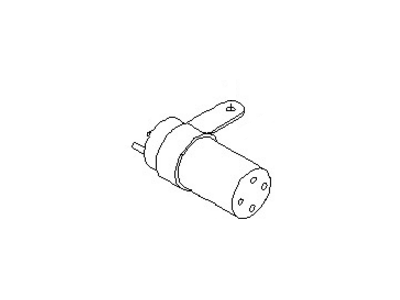
Nissan Pressure Tank Assembly
Part Number: 22370-2Y50A$94.77 MSRP: $133.85You Save: $39.08 (30%)Ships in 1-3 Business DaysProduct Specifications- Other Name: Tank Assembly-Pressure; Tank
- Replaces: 22370-2Y500
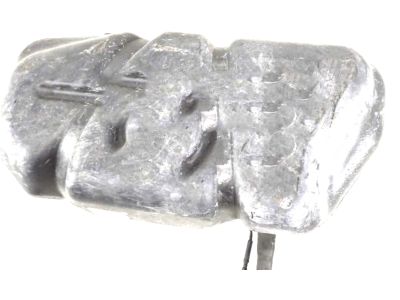
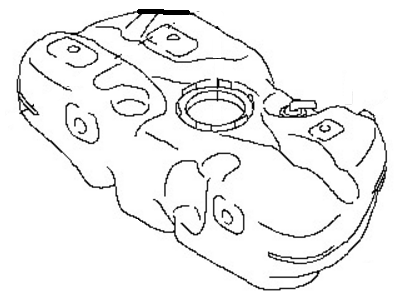
Nissan Fuel Tank
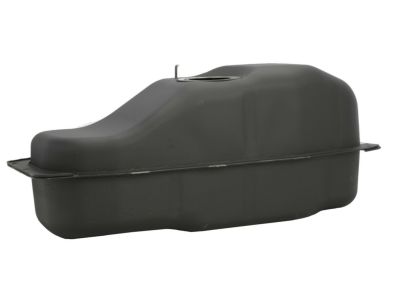
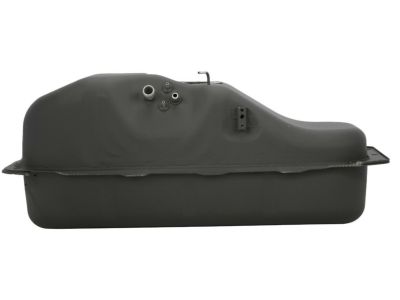
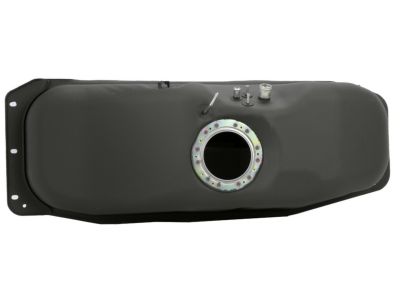
Part Number: 17202-3AN0D$1083.70 MSRP: $1530.65You Save: $446.95 (30%)Ships in 1-3 Business DaysProduct Specifications- Other Name: Tank Assembly - Fuel; Fuel Tank
- Replaces: 17202-3AN0C
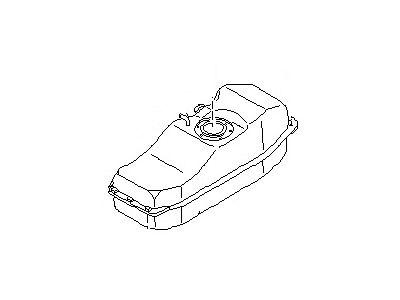
Nissan Fuel Tank
Part Number: 17202-5S620$678.76 MSRP: $958.70You Save: $279.94 (30%)Ships in 1-3 Business DaysProduct Specifications- Other Name: Tank Assembly - Fuel; Fuel Tank
- Replaces: 17202-9Z520, 17202-5S615, 17202-5S610, 17202-9Z500, 17202-9Z510
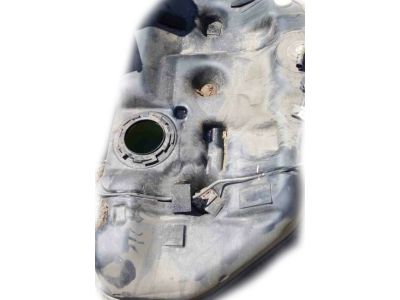
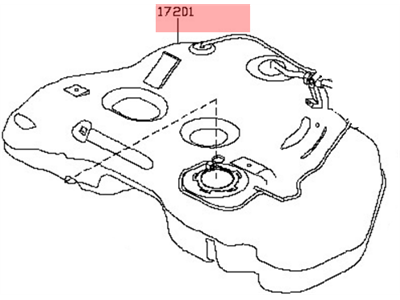
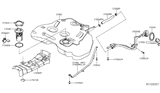
Nissan Fuel Tank
Part Number: 17202-3TA0C$1050.71 MSRP: $1484.05You Save: $433.34 (30%)Ships in 1-3 Business DaysProduct Specifications- Other Name: Tank Assembly - Fuel; Fuel Tank
- Replaces: 17202-3TA0B
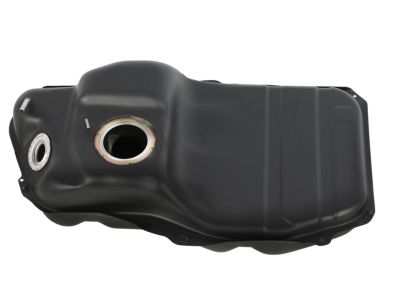
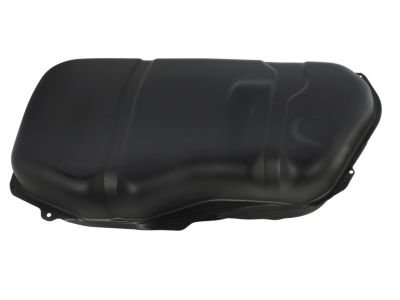

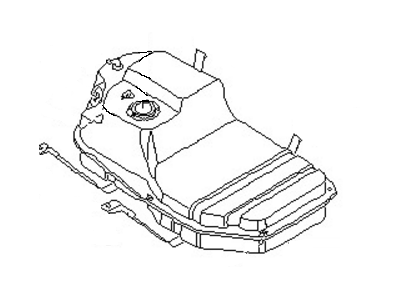
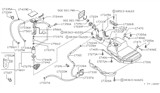
Nissan Fuel Tank
Part Number: 17202-53F56$1400.33 MSRP: $1695.31You Save: $294.98 (18%)Ships in 1-3 Business DaysProduct Specifications- Other Name: Tank Assembly - Fuel; Fuel Tank
- Replaces: 17202-40F00, 17202-53F00, 17202-53F55, 17202-53F01, 17202-40F10
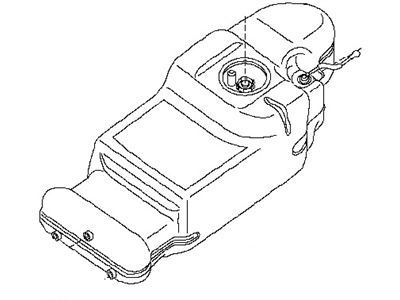
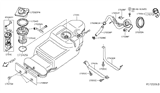
Nissan Fuel Tank
Part Number: 17202-9BM2A$883.12 MSRP: $1247.35You Save: $364.23 (30%)Ships in 1-3 Business DaysProduct Specifications- Other Name: Tank Assembly - Fuel; Filler Neck, Fuel Tank
- Replaces: 17202-EA000, 17202-ZP00A
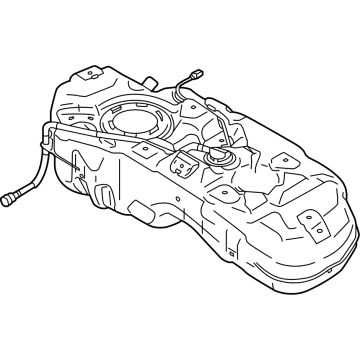
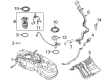
Nissan Fuel Tank
Part Number: 17202-6RR1A$879.77 MSRP: $1242.62You Save: $362.85 (30%)Ships in 1-3 Business DaysProduct Specifications- Other Name: Tank Assembly - Fuel; Fuel Tank
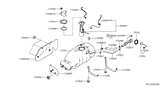
Nissan Fuel Tank
Part Number: 17202-EZ40A$1791.42 MSRP: $2168.79You Save: $377.37 (18%)Ships in 1-3 Business DaysProduct Specifications- Other Name: Tank Assembly - Fuel; Fuel Tank
- Replaces: 17202-EZ41A
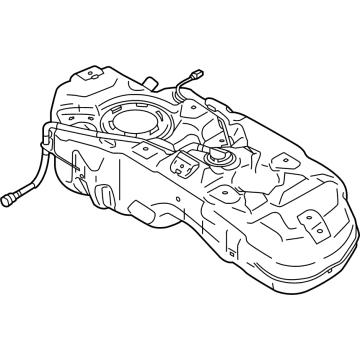
Nissan Fuel Tank
Part Number: 17202-6RR0A$827.56 MSRP: $1168.87You Save: $341.31 (30%)Ships in 1-3 Business DaysProduct Specifications- Other Name: Tank Assembly - Fuel; Fuel Tank
Nissan Fuel Tank
Part Number: 17202-4BA0C$819.63 MSRP: $1157.67You Save: $338.04 (30%)Ships in 1-3 Business DaysProduct Specifications- Other Name: Tank Assembly - Fuel; Fuel Tank
- Replaces: 17202-4BA0A, 17202-4BA0B
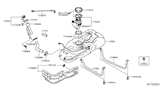
Nissan Fuel Tank
Part Number: 17202-3LM0C$1153.17 MSRP: $1628.77You Save: $475.60 (30%)Ships in 1-3 Business DaysProduct Specifications- Other Name: Tank Assembly - Fuel; Fuel Tank
- Replaces: 17202-3LM0B
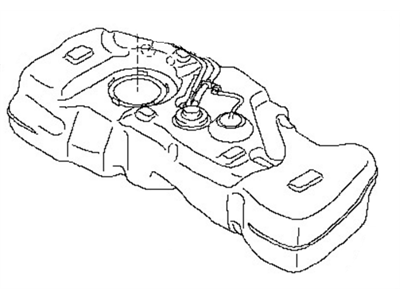
Nissan Fuel Tank
Part Number: 17202-4AF1A$581.52 MSRP: $821.35You Save: $239.83 (30%)Ships in 1-3 Business DaysProduct Specifications- Other Name: Tank Assembly - Fuel; Fuel Tank
- Replaces: 17202-EM31B, 17202-3SG0C
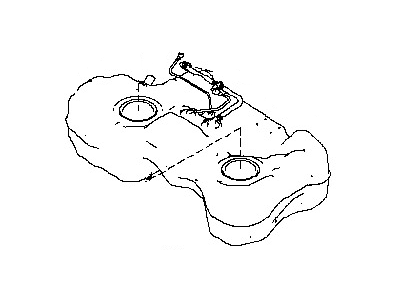
Nissan Fuel Tank
Part Number: 17202-6FK0A$829.33 MSRP: $1171.37You Save: $342.04 (30%)Ships in 1-3 Business DaysProduct Specifications- Other Name: Tank Assembly - Fuel; Fuel Tank
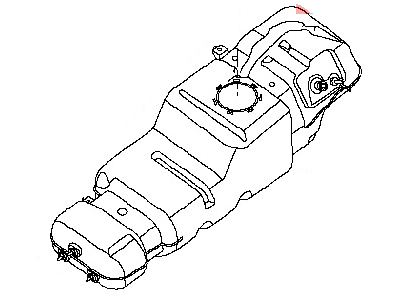
Nissan Fuel Tank
Part Number: 17202-1PA0A$991.21 MSRP: $1400.02You Save: $408.81 (30%)Ships in 1-3 Business DaysProduct Specifications- Other Name: Tank Assembly - Fuel; Fuel Tank
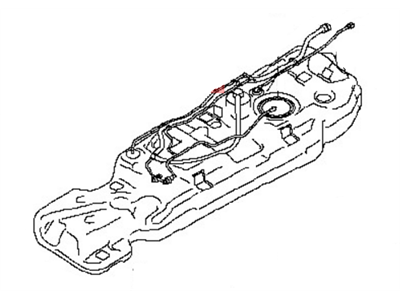
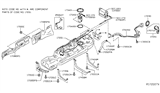
Nissan Fuel Tank
Part Number: 17202-3KA1E$956.33 MSRP: $1350.76You Save: $394.43 (30%)Ships in 1-3 Business DaysProduct Specifications- Other Name: Tank Assembly - Fuel; Fuel Tank
- Replaces: 17202-3KA1B, 17202-3KA1D
Nissan Fuel Tank
Part Number: 17202-5AA0B$1118.83 MSRP: $1580.27You Save: $461.44 (30%)Ships in 1-3 Business DaysProduct Specifications- Other Name: Tank Assembly - Fuel; Fuel Tank
- Replaces: 17202-5AA0A
Nissan Fuel Tank Assembly
Part Number: 17202-ZP00A$883.12 MSRP: $1247.35You Save: $364.23 (30%)Ships in 1-3 Business DaysProduct Specifications- Other Name: Tank Assembly - Fuel
- Replaced by: 17202-9BM2A
Nissan Fuel Tank
Part Number: 17202-4AF0A$619.75 MSRP: $875.35You Save: $255.60 (30%)Ships in 1-3 Business DaysProduct Specifications- Other Name: Tank Assembly - Fuel; Fuel Tank
Nissan Fuel Tank
Part Number: 17202-6RE1A$895.80 MSRP: $1265.25You Save: $369.45 (30%)Ships in 1-3 Business DaysProduct Specifications- Other Name: Tank Assembly - Fuel; Fuel Tank
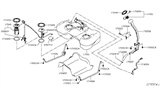 Product Specifications
- Other Name: Tank Assembly - Fuel; Fuel Tank
| Page 1 of 15 |Next >
1-20 of 288 Results
About Nissan Fuel Tank
The fuel system consists of fuel pump, fuel filter, fuel tank, fuel injectors and so on. Each component is necessary and plays a crucial role in running your Nissan car. The fuel tank, as the name implies, acts a container for fuel. When you fill up your car at gas station, the gas goes down the filler tube and into the tank. There is a sending unit inside the fuel tanking reading how much gas is in the tank and send it to gauge panel for you. The fuel tank has become more complicated since the technology improves. It now often holds the fuel pump and has more emissions controls to stop vapors leaking into the air. There is a possibility that the sending unit cannot read the volume precisely or it fails to send information. Or there is a leakage in your fuel tank. You will drive your Nissan with little gas which causes damage to your engine. Please check your fuel system, including fuel tank, regularly. Once you need to change, welcome here to shop Nissan genuine OEM fuel tank with a discounted price.
Nissan Fuel Tank Parts Questions & Experts Answers
- Q:What Precautions Should Be Taken Regarding the Fuel Tank and Its Maintenance on Nissan 350Z?Posted by Luiz M.A:Cleaning the fuel tank should be done by someone with experience, as even after cleaning and flushing, explosive fumes may remain in the fuel tank. If you remove the fuel tank do not place it where flames could ignite the fumes, especially inside a garage.Answered by Nissan Parts Specialist Anildo / Nov 26, 2022
- Q:How to safely remove and refit a fuel tank on Petrol Nissan Juke?Posted by Vinay R.A:Before removing the fuel tank, drain all fuel from it, preferably when nearly empty since a drain plug is not provided. Depressurise the fuel system and disconnect the battery negative terminal, then siphon or hand-pump any remaining fuel from the tank. Disconnect the wiring connector(s) and fuel hose(s) from the fuel pump/gauge sender unit. Jack up the rear of the car and securely support it on axle stands, then remove the right-hand rear roadwheel. Remove the exhaust system intermediate pipe from below the fuel tank, releasing the fasteners and removing the heatshield. Release the retaining clips securing the handbrake cables to the fuel tank and rear axle. At the right-hand side rear of the fuel tank, release the retaining clip and disconnect the filler neck hose. Under the right-hand wheel arch, release the retaining clip and disconnect the fuel vent pipe hose. Disconnect the EVAP hose at the quick-release connector in front of the fuel tank, and disconnect the fuel and vent hoses at the connectors on the charcoal canister located on the left-hand side of the fuel tank. Place a trolley jack with a block of wood beneath the tank and raise it until it supports the tank's weight. Slacken and remove the bolts securing the two fuel tank retaining straps to the vehicle underbody, then slowly lower the fuel tank out of position and remove it from underneath the vehicle. If the tank is contaminated with sediment or water, remove the sender unit/fuel pump and swill the tank out with clean fuel; if any damage is evident, renew the tank. For refitting, reverse the removal procedure, ensuring to reconnect all relevant breather hoses when lifting the tank back into position, taking care to avoid trapping any hoses. Tighten the fuel tank mounting bolts to the specified torque setting, ensure all pipes and hoses are correctly routed and securely held in position with their retaining clips, and upon completion, refill the tank with fuel and check for signs of leakage before taking the vehicle on the road.Answered by Nissan Parts Specialist Randy / May 05, 2025
- Q:What are the precautions to take when dealing with a damaged or contaminated fuel tank in Nissan Maxima?Posted by Giancarlo D.A:Vehicle fuel tanks can't be repaired if damaged, only replaced. Professional cleaning is needed for fuel contamination due to potential danger. Even post-cleaning, explosive fumes may linger. Removed tanks should be kept away from sparks or flames, especially near gas appliances in garages.Answered by Nissan Parts Specialist Javi / Dec 19, 2022
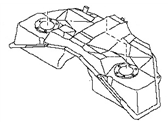
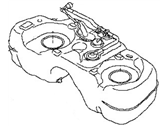
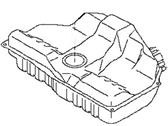
Related Nissan Parts
 Nissan Fuel Pump
 Nissan Fuel Filter
 Nissan Fuel Pressure Regulator
 Nissan Fuel Pressure Sensor
 Nissan Fuel Filler Neck
 Nissan Fuel Tank Strap
 Nissan Fuel Door Release Cable
 Nissan Fuel Door
 Nissan Gas Cap
Browse by Model
200SX Fuel Tank 240SX Fuel Tank 280ZX Fuel Tank 300ZX Fuel Tank 350Z Fuel Tank 370Z Fuel Tank 720 Pickup Fuel Tank Altima Fuel Tank Armada Fuel Tank Axxess Fuel Tank Cube Fuel Tank Datsun 310 Fuel Tank Datsun 810 Fuel Tank Frontier Fuel Tank GT-R Fuel Tank Hardbody Pickup (D21) Fuel Tank Hardbody Pickup (D21U) Fuel Tank Juke Fuel Tank Kicks Fuel Tank Kicks Play Fuel Tank Maxima Fuel Tank Murano Fuel Tank NV Fuel Tank Pathfinder Fuel Tank Pulsar NX Fuel Tank Quest Fuel Tank Rogue Fuel Tank Rogue Sport Fuel Tank Sentra Fuel Tank Stanza Fuel Tank Titan Fuel Tank Van Fuel Tank Versa Fuel Tank Versa Note Fuel Tank Xterra Fuel Tank Z Fuel Tank