×
- Hello
- Login or Register
- Quick Links
- Live Chat
- Track Order
- Parts Availability
- RMA
- Help Center
- Contact Us
- Shop for
- Nissan Parts
- Nissan Accessories

My Garage
My Account
Cart
Genuine Nissan Coolant Temperature Sensor
Coolant Water Temperature Sensor- Select Vehicle by Model
- Select Vehicle by VIN
Select Vehicle by Model
orMake
Model
Year
Select Vehicle by VIN
For the most accurate results, select vehicle by your VIN (Vehicle Identification Number).
49 Coolant Temperature Sensors found
 Product Specifications
- Other Name: Engine Coolant Temperature Sensor
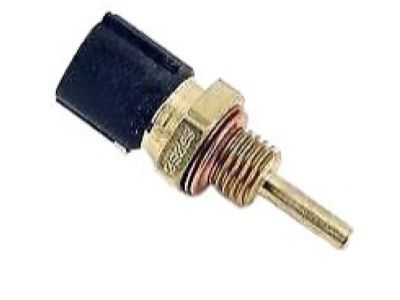
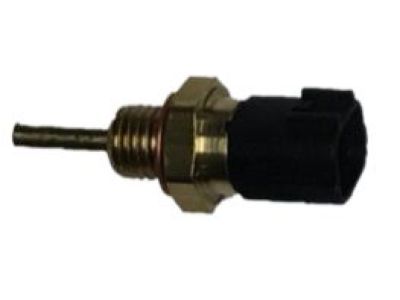
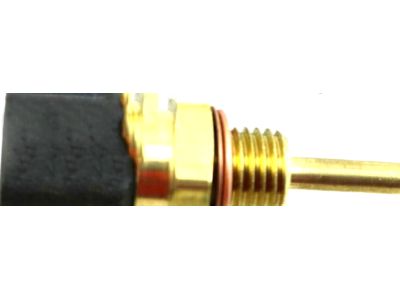

Nissan Coolant Temperature Sensor
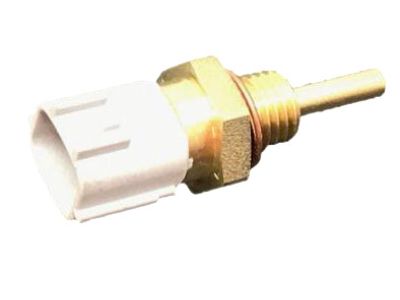
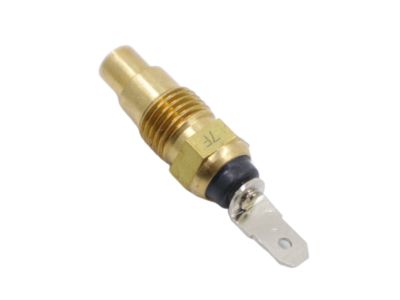
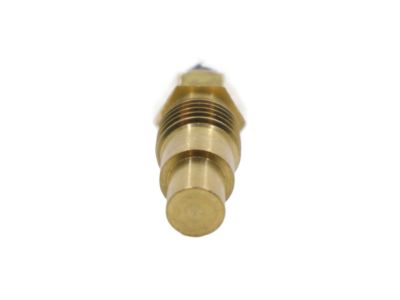
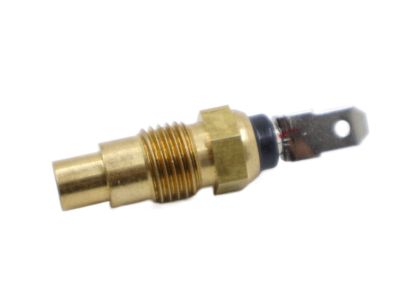
Part Number: 22630-7Y000$49.43 MSRP: $71.58You Save: $22.15 (31%)Ships in 1-2 Business DaysProduct Specifications- Other Name: Engine Coolant Temperature Sensor
- Replaces: 22630-0M200
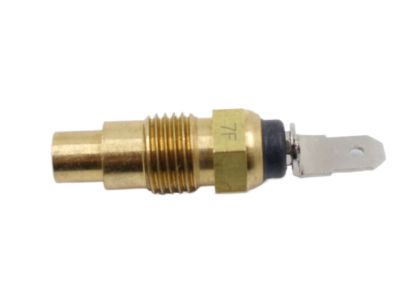
Nissan Water Temperature Gauge Assembly
Part Number: 25080-89903$25.49 MSRP: $38.33You Save: $12.84 (34%)Ships in 1-3 Business DaysProduct Specifications- Other Name: Temperature Gauge; Temperature Sending Unit
- Manufacturer Note: SMALL TYPE,M12
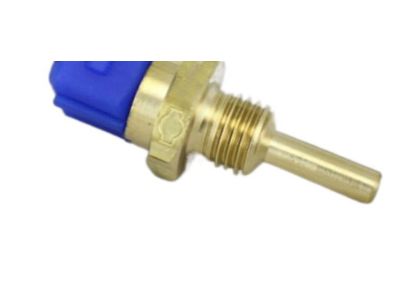
Nissan Coolant Temperature Sensor
Part Number: 22630-51E02$31.05 MSRP: $42.80You Save: $11.75 (28%)Ships in 1-3 Business DaysProduct Specifications- Other Name: Engine Coolant Temperature Sensor
- Replaces: 22630-51E00, 22630-V5010, 22630-51E10
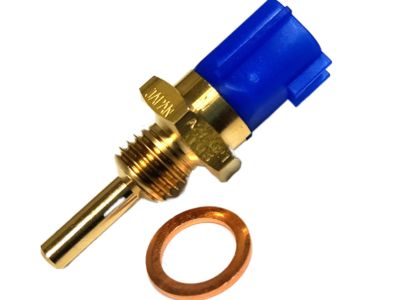
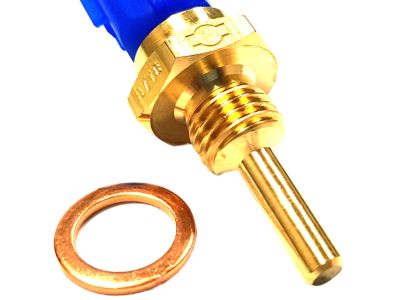
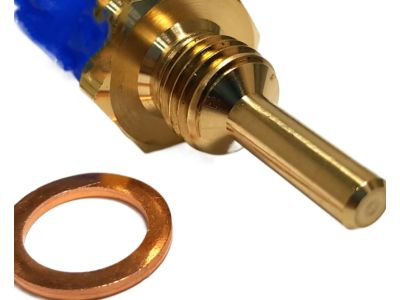
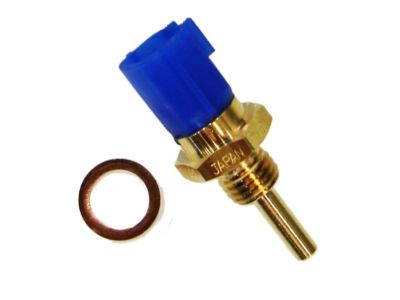
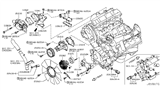
Nissan Engine Coolant Temperature Sensor
Part Number: 22630-44B20$33.98 MSRP: $49.22You Save: $15.24 (31%)Ships in 1-3 Business DaysProduct Specifications- Manufacturer Note: OIL TEMP
- Replaced by: 22630-ED000
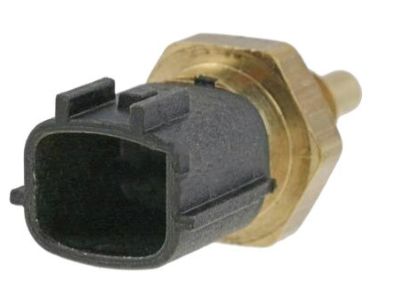
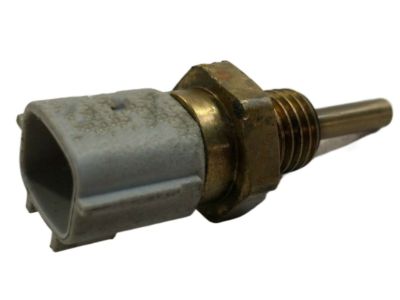
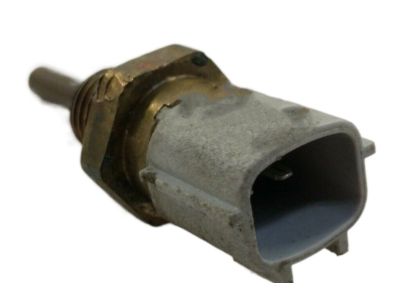
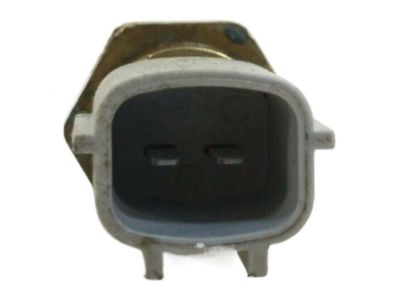
Nissan Coolant Temperature Sensor
Part Number: 22630-ZJ70A$22.00 MSRP: $30.33You Save: $8.33 (28%)Ships in 1-2 Business DaysProduct Specifications- Other Name: Sensor Assembly-Oil Temperature
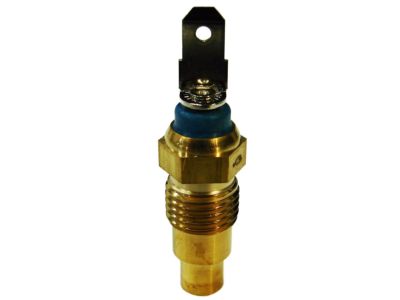
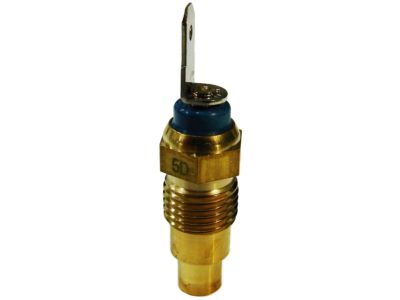
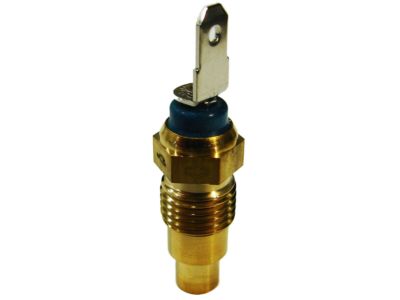
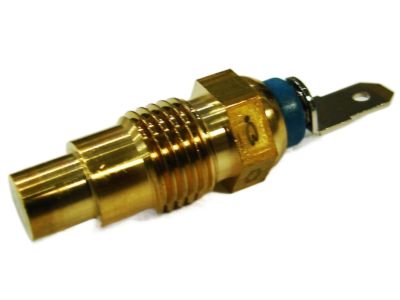
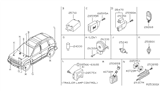
Nissan Coolant Temperature Sensor
Part Number: 25080-89907$35.57 MSRP: $49.04You Save: $13.47 (28%)Ships in 1-3 Business DaysProduct Specifications- Other Name: Sensor-Temperature; Temperature Sending Unit
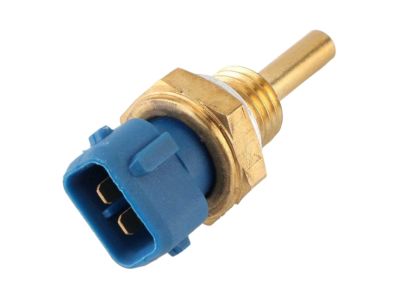
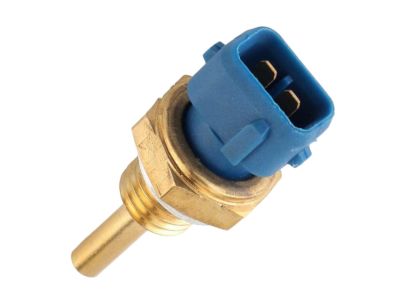
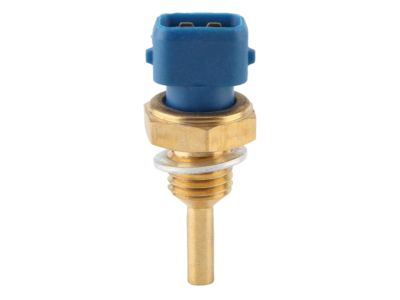
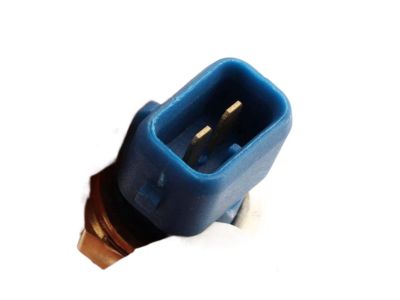
Nissan Engine Coolant Temperature Sensor
Part Number: 22630-51E00$31.05 MSRP: $42.80You Save: $11.75 (28%)Ships in 1-2 Business DaysProduct Specifications- Other Name: Sensor Asy Temp ; Engine Coolant Temperature Sensor
- Replaced by: 22630-51E02
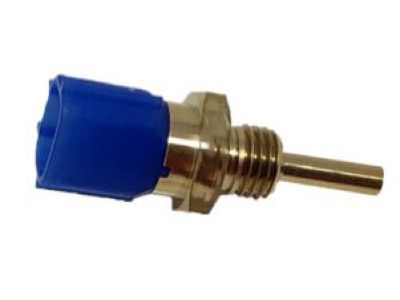

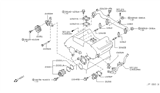
Nissan Coolant Temperature Sensor
Part Number: 22630-ED000$33.98 MSRP: $49.22You Save: $15.24 (31%)Ships in 1-2 Business DaysProduct Specifications- Other Name: Engine Coolant Temperature Sensor
- Manufacturer Note: WATER TENP
- Replaces: 22630-44B10, 22630-44B20, 22630-71L00
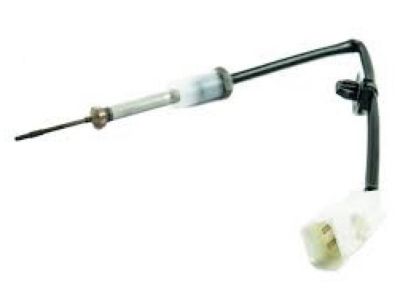

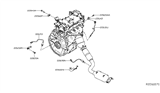
Nissan Exhaust Temp Sensor
Part Number: 22630-4BC0A$156.55 MSRP: $231.80You Save: $75.25 (33%)Ships in 1-3 Business DaysProduct Specifications- Other Name: Engine Coolant Temperature Sensor
- Replaced by: 22630-4BC0B
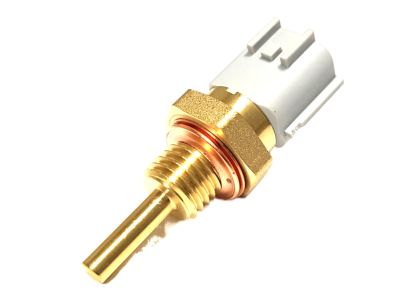
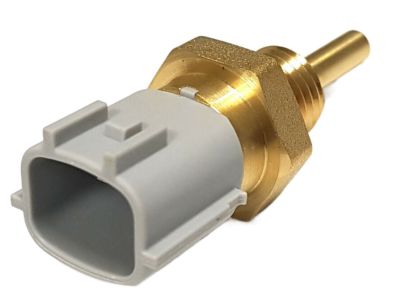
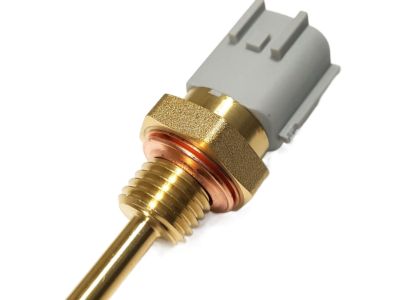
Nissan Coolant Temperature Sensor
Part Number: 22630-JN00A$52.03 MSRP: $75.35You Save: $23.32 (31%)Ships in 1-3 Business DaysProduct Specifications- Other Name: Engine Coolant Temperature Sensor
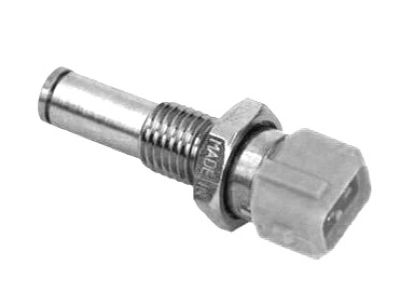
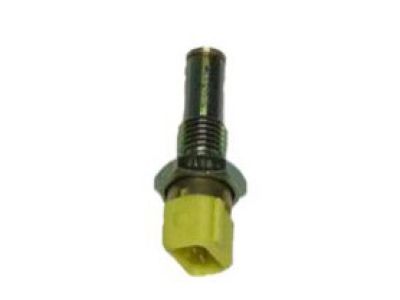
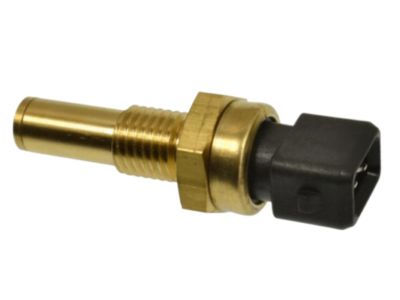
Nissan Engine Coolant Temperature Sensor
Part Number: 22630-01P01$187.52 MSRP: $277.67You Save: $90.15 (33%)Ships in 1-3 Business DaysProduct Specifications- Other Name: Temp Sending Unit; Temperature Sending Unit, Temperature Switch
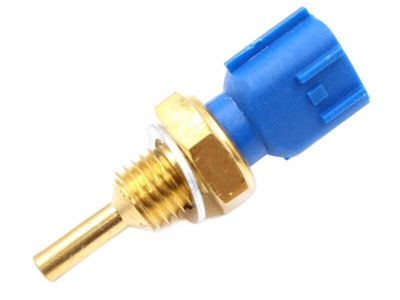
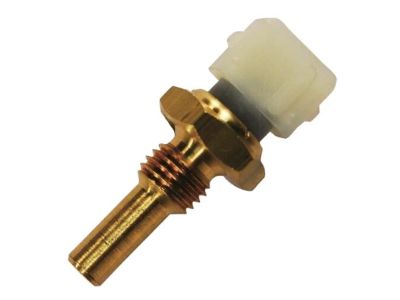
Nissan Engine Coolant Temperature Sensor
Part Number: 22630-0M200$49.43 MSRP: $71.58You Save: $22.15 (31%)Ships in 1-3 Business DaysProduct Specifications- Replaced by: 22630-7Y000
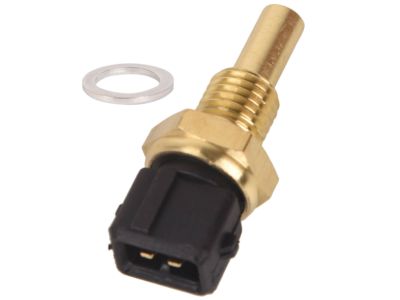
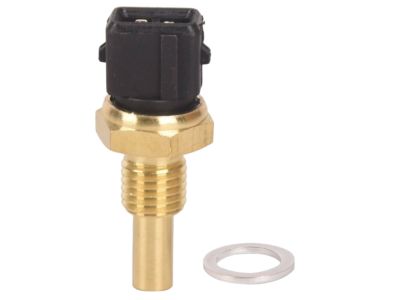
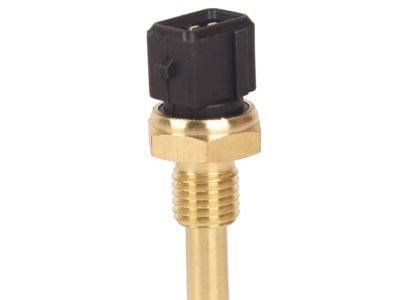
Nissan Engine Coolant Temperature Sensor
Part Number: 22630-V5010$31.05 MSRP: $42.80You Save: $11.75 (28%)Ships in 1-2 Business DaysProduct Specifications- Other Name: Sensor Asy Temp
- Replaced by: 22630-51E02
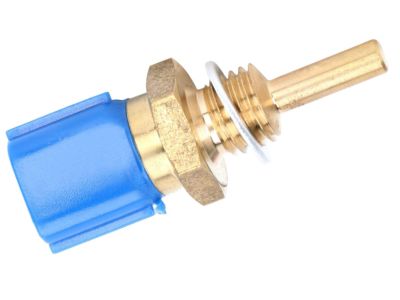
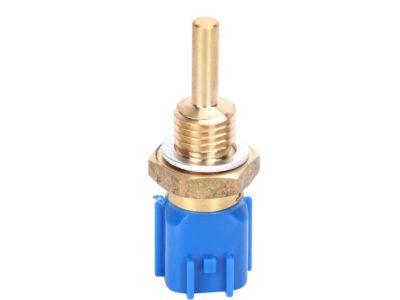
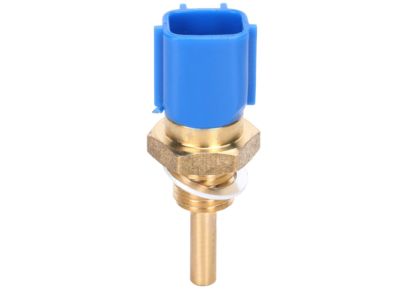
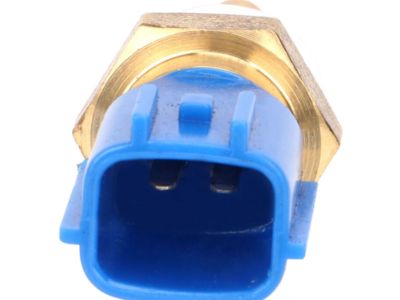
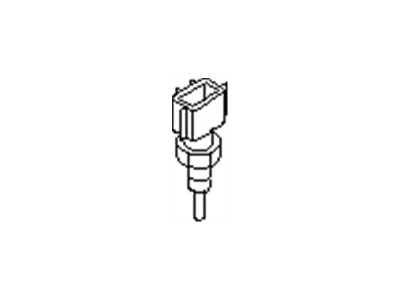
Nissan COOLANT Temperature Sensor
Part Number: 22630-44B10$33.98 MSRP: $49.22You Save: $15.24 (31%)Ships in 1-3 Business DaysProduct Specifications- Other Name: Engine Coolant Temperature Sensor
- Replaced by: 22630-ED000
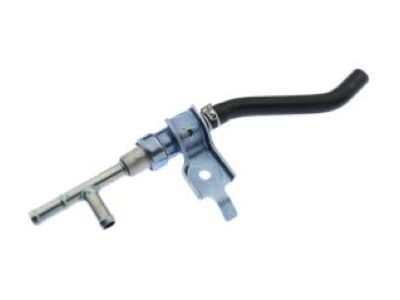
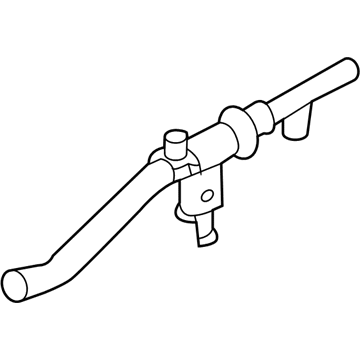
Nissan Thermo Sensor
Part Number: 21200-4BB1B$115.94 MSRP: $163.75You Save: $47.81 (30%)Ships in 1-2 Business DaysProduct Specifications- Other Name: Sensor Assembly - Thermometer; Thermostat Sensor
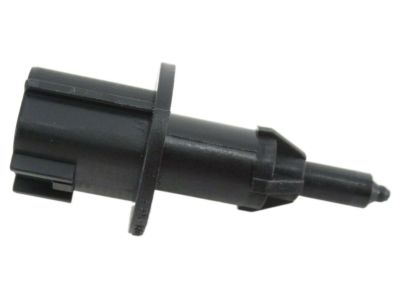
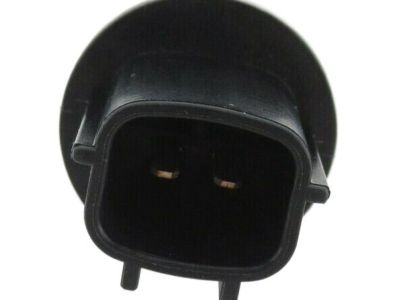
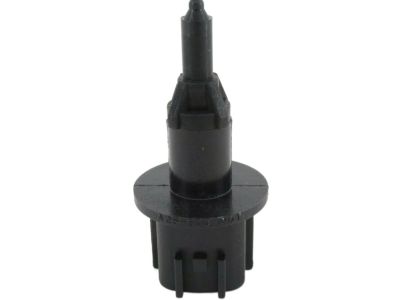
Nissan Air Intake Temperature Sensor
Part Number: 22630-1S700$66.43 MSRP: $93.83You Save: $27.40 (30%)Ships in 1-2 Business DaysProduct Specifications- Other Name: Air Charge Temperature Sensor
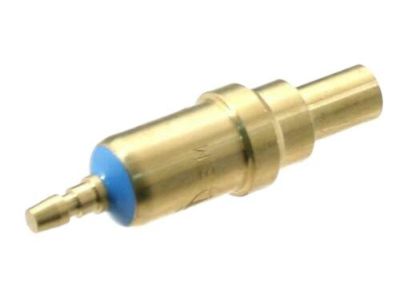
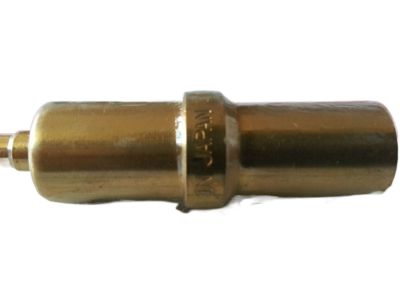
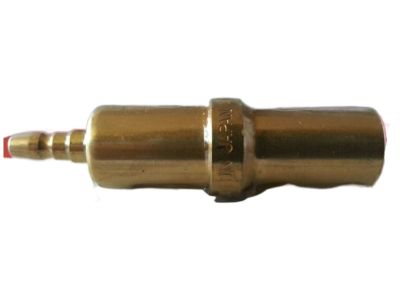
Nissan Temperature Unit Gauge
Part Number: 25080-89900$51.70 MSRP: $77.75You Save: $26.05 (34%)Ships in 1-2 Business DaysProduct Specifications- Other Name: Gauge - Temperature Unit
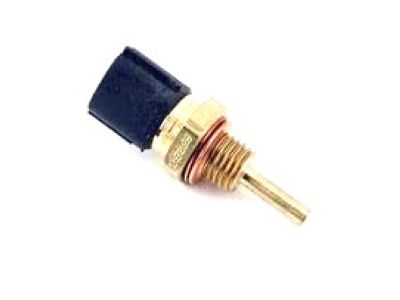
Nissan Exhaust Gas Temperature Sensor
Part Number: 22630-3JT0B$267.00 MSRP: $395.35You Save: $128.35 (33%)Ships in 1-3 Business DaysProduct Specifications- Other Name: Engine Coolant Temperature Sensor
- Replaced by: 22630-3JT0C
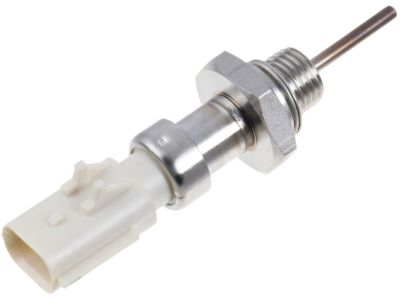

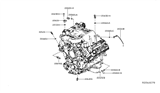
Nissan Temperature Sensor
Part Number: 22640-EZ40A$94.19 MSRP: $133.03You Save: $38.84 (30%)Ships in 1-3 Business DaysProduct Specifications- Other Name: Exhaust Gas Temperature Sensor; Temperature Sensor
| Page 1 of 3 |Next >
1-20 of 49 Results
About Nissan Coolant Temperature Sensor
Every part of your vehicle is very important, you can't ignore any one, especially Nissan Coolant Temperature Sensor. In case the Nissan Coolant Temperature Sensor is damaged or broken, you should find ways to repair it or look for replacements if it's already beyond repair. Because of all the parts can't stand alone, the broken Coolant Temperature Sensor must affect other parts. If you find your Nissan Coolant Temperature Sensor can't work normal, just repair it or come to our website to search the OEM Nissan Coolant Temperature Sensors.
Nissan Coolant Temperature Sensor Parts Questions & Experts Answers
- Q:How to troubleshoot the Coolant Temperature Sensor and the Coolant Temperature Indicator System on the Nissan 350Z?Posted by Lin G.A:The coolant temperature indicator system includes a dash warning light or gauge and a coolant temperature sending unit on the engine. The Engine Coolant Temperature (ECT) sensor also acts as the coolant temperature sending unit. If overheating is indicated, check the coolant level and ensure all wiring connectors are secure. The indicator light should come on when the ignition is turned to START, showing the bulb works. If it doesn't, the bulb may be burned out, the ignition switch faulty, or the circuit open. The light should go off once the engine starts unless it overheats. If it stays on, check for trouble codes in the Powertrain Control Module (PCM). If overheating is frequent, check the coolant type and concentration.Answered by Nissan Parts Specialist Eliot / Apr 11, 2023
- Q:How to check and replace the engine coolant temperature sensor on Nissan Maxima?Posted by Harry O.A:Like the intake air temperature sensor, the engine coolant temperature sensor is a thermistor that changes its resistance with the temperature. For 1993 and 1994 models, it is located in the coolant inlet pipe behind the distributor. However, for 1995 and later models, this sensor is found in the coolant outlet pipe behind the left (front) cylinder head. The sensor is responsible for sensing coolant temperature by changing resistance inversely as temperature rises. This information helps PCM determine how hot an engine is operating. A trouble code will be set when there is a problem with this circuit in wiring or connections with the sensor itself. Before removing this unit, check PCM's voltage source and ground circuits. Disconnecting electrical connector from sensor and connecting a voltmeter to harness connector's two terminals should be done first. Turning ignition key On-voltage should read about 5.0 volts. If voltage reading isn't correct, inspect wire from sensor to PCM. Incase circuits are okay have PCM checked at dealer service department or other properly equipped repair facility. Attach an ohmmeter to both terminals of the sensor while engine cool and measure resistance across them.Reinstall electrical connector to sensor and start engine, allowing it to reach normal operating temperatures then disconnecting plug and measuring resistance again.Read your measurements on resistance chart.If you get incorrect readings for test results on resistance of sensor, replace the latter.A more accurate check can be made by immersing tip of senor into container filled with water once again heat up this water on stove while observing changes in resisitivity of that area.Wating until Engine has completely cooled down perform this procedure.Before installing new detector wrap threads with Teflon sealing tape so as to prevent leakage and corrosion of thread.Disengage electrical connector and remove detector from coolant pipe.To keep loss of coolant minimal install new detector's as fast as possible.Ensure that you connect electrical connector securely then tighten detector.Check level of coolant and add it in case of any lack.Start engine and allow it to warm up to normal operating temperature, then inspect for coolant leakage.After engine warmed up and cooled back measure the coolant level in the expansion tank.Answered by Nissan Parts Specialist Martin / Aug 13, 2025
- Q:How to test and replace the Coolant Temperature Sensor on the Nissan Quest?Posted by Aniwat R.A:If tests show that the sensor is working well and is not responsible for the observed driveability concern, scan the wiring harness and connectors between the sensor and the PCM for opens/shorts. In the case of a negative output, it is highly recommended to subject the vehicle for diagnosis by a competent repair facility. Before concluding that an ECT sensor is defective, make sure that there is adequate coolant in the system. Like the IAT sensor, the ECT sensor is also a thermistor that gets affected by the change in its temperature and is installed in the engine cooling system close to the thermostat housing to access coolant temperature. This way, the change of the coolant temperature causes a change in the resistance of the sensor and the PCM uses this information to determine engine operating temperature. A problem in the ECT sensor circuit causes a check engine light accompanied by a trouble code that originates from the wiring, connection, or the sensor. On models that include two very similar sensors placed side-by-side; one basically supplies the info that the sender in the instrument panel uses to display the coolant temperature, the other sensor supplies the same data to the Electronic Engine Control (ECT). The temperature sender has a tan or brown plastic body while ECT sensor connector usually has gray one. To exercise the ECT sensor, unplug it then use the ohmmeter to check the resistance across the terminals; at 68 degrees F, the value should be around 2,100 to 2,900 ohms. Next, crank the engine and let the engine warm up to the operating temperature point and the resistance should be in the range of 300 to 330 ohms at 176 degrees F.Since the readings are normal, look at reference voltage of PCM at the senses connector which should be about 5 volts. When replacing the sensor, use Teflon sealing tape on the threads to avoid leakage and corrosion, to remove the sensor uncover the electrical connector and unbolt the old sensor from the engine. Replace the new sensor immediately to prevent continuous leakage of the coolant; tighten the sensor nut well before reconnecting the electrical connection. After: check coolant level and add more if it is needed, start engine and wait until engine temperature indicator reaches normal level, check for coolant leaks, check coolant level in the expansion tank when the engine is cold.Answered by Nissan Parts Specialist Jorge / May 14, 2024
Related Nissan Parts
 Nissan Oxygen Sensor
 Nissan Camshaft Position Sensor
 Nissan Mass Air Flow Sensor
 Nissan Knock Sensor
 Nissan Parking Assist Distance Sensor
 Nissan Fuel Temperature Sensor
 Nissan Throttle Position Sensor
 Nissan Crankshaft Position Sensor
 Nissan MAP Sensor
 Nissan Vehicle Speed Sensor
 Nissan Yaw Sensor
Browse by Model
200SX Coolant Temperature Sensor 240SX Coolant Temperature Sensor 280ZX Coolant Temperature Sensor 300ZX Coolant Temperature Sensor 350Z Coolant Temperature Sensor 370Z Coolant Temperature Sensor 720 Pickup Coolant Temperature Sensor Altima Coolant Temperature Sensor Armada Coolant Temperature Sensor Axxess Coolant Temperature Sensor Cube Coolant Temperature Sensor Datsun 310 Coolant Temperature Sensor Datsun 810 Coolant Temperature Sensor Frontier Coolant Temperature Sensor GT-R Coolant Temperature Sensor Hardbody Pickup (D21) Coolant Temperature Sensor Hardbody Pickup (D21U) Coolant Temperature Sensor Juke Coolant Temperature Sensor Kicks Coolant Temperature Sensor Kicks Play Coolant Temperature Sensor Leaf Coolant Temperature Sensor Maxima Coolant Temperature Sensor Murano Coolant Temperature Sensor NV Coolant Temperature Sensor Pathfinder Coolant Temperature Sensor Pulsar NX Coolant Temperature Sensor Quest Coolant Temperature Sensor Rogue Coolant Temperature Sensor Rogue Sport Coolant Temperature Sensor Sentra Coolant Temperature Sensor Stanza Coolant Temperature Sensor Titan Coolant Temperature Sensor Van Coolant Temperature Sensor Versa Coolant Temperature Sensor Versa Note Coolant Temperature Sensor Xterra Coolant Temperature Sensor Z Coolant Temperature Sensor